You may always feel dusty underfoot because tiny particles, allergens, and fibers hide deep within your carpet, making it hard to fully clean. Regular vacuuming struggles to remove embedded debris that gets disturbed and spread every time you walk over it. Factors like high-pile carpets, pet dander, and poor ventilation worsen the buildup. Understanding these hidden causes can help you find effective solutions—stick around to learn more about tackling this persistent dust problem.

Get home appliances delivered free — and shop member deals
- Fast, free delivery on millions of items
- Access to Prime Big Deal Days deals on October 6–7
- Prime Video, Amazon Music and more included
Key Takeaways
- Embedded microscopic particles in carpets continually get disturbed and redistributed with foot traffic, causing persistent dust underfoot.
- Deeply trapped allergens like pet dander and mold spores settle into carpet fibers, re-releasing dust when disturbed.
- High-pile carpets trap more dust and allergens than low-pile or hard flooring, increasing underfoot dust.
- Inadequate cleaning methods may fail to remove embedded particles, leading to ongoing dust buildup.
- Poor ventilation and high humidity promote dust and allergen settling, making homes feel consistently dusty.
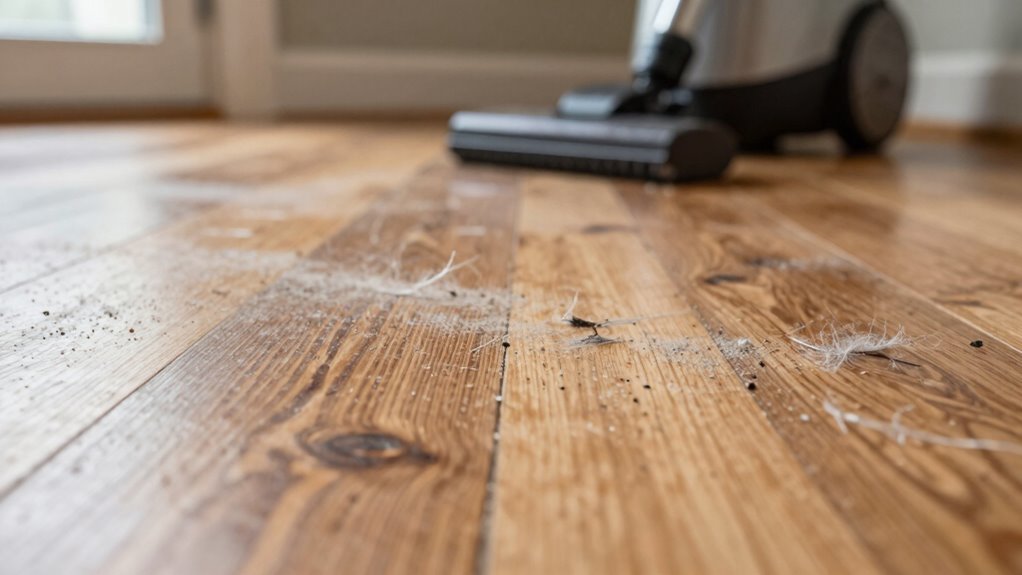
If your home constantly feels dusty underfoot, you might be surprised to learn that the culprit isn’t always visible dirt or debris. Often, the real reason lies in tiny particles that are invisible to the naked eye—airborne allergens and the fibers within your carpet. These microscopic elements settle into your flooring and linger, creating that persistent layer of dust underfoot. You might vacuum regularly, yet the problem persists because these particles are stubbornly embedded within carpet fibers and continuously kicked up into the air with every step.
Airborne allergens, such as pollen, pet dander, and mold spores, are common contributors to that dusty feeling. They float around in the air and settle deep into your carpet’s fibers. When you walk across your floors, you disturb these particles, causing them to become airborne again. Over time, they accumulate, making your home feel dustier despite your cleaning efforts. These allergens not only settle into the carpet but also get trapped in the tiny gaps between fibers, which regular vacuuming might not fully extract. As a result, the more you walk, the more these particles are redistributed, creating a cycle of constant dustiness.
Airborne allergens settle deep in carpets, redistributing with each step and perpetuating dustiness despite regular cleaning efforts.
Carpet fibers play a significant role in this cycle as well. Carpets are excellent at trapping dust, dirt, and allergens, but they also act as reservoirs for airborne particles. The dense weave of carpet fibers provides ample hiding spots for these microscopic elements, making it difficult to remove all traces with standard cleaning. When you walk over the carpet, fibers loosen and release some of these trapped particles back into the air. Over time, this buildup becomes noticeable underfoot, especially if you don’t deep clean regularly. Recognizing the role of carpet fibers can help you understand why regular maintenance is essential. Furthermore, the type of cleaning equipment used can impact how effectively these particles are removed.
Additionally, specific factors like the type of carpet, its age, and maintenance routines influence how much dust and allergens accumulate. High-pile carpets tend to trap more particles than low-pile or hard flooring. If you have pets, dander and shed hair can compound the problem, sticking to fibers and becoming airborne when disturbed. Poor ventilation or high humidity can also increase dust accumulation, creating an environment where airborne allergens thrive and settle into fibers more readily. Understanding how airborne particles interact with your environment can help you better manage dust levels. Regular cleaning and proper airflow can significantly reduce the buildup of these microscopic particles. Moreover, proper ventilation not only reduces humidity but also helps to disperse airborne allergens, preventing them from settling into your carpets.
In essence, your dusty underfoot feeling isn’t just about surface dirt. It’s about the microscopic particles sneaking into and hiding within your carpet fibers and airborne allergens constantly settling and re-settling. To combat this, you need a combination of deep cleaning, regular vacuuming with HEPA filters, and proper ventilation. Doing so helps reduce the buildup of airborne allergens and minimizes the dust trapped within your carpet fibers, making your home feel cleaner and less dusty underfoot. Employing preventative measures such as air purifiers and choosing low-pile or hard flooring options can also make a noticeable difference. Keeping humidity levels in check and ensuring good air circulation can further help to minimize dust accumulation.
HEPA vacuum cleaner for deep carpet cleaning
As an affiliate, we earn on qualifying purchases.
As an affiliate, we earn on qualifying purchases.
Frequently Asked Questions
Can Pets Contribute to Dusty Floors?
Yes, pets can contribute to dusty floors. Pet hair sheds constantly, settling into carpets and on surfaces, which can create a dusty appearance. Additionally, pets bring in outdoor allergens that accumulate over time, leading to allergen buildup. This buildup can make floors feel dusty and gritty, especially if you don’t vacuum regularly. Keeping your pets clean and maintaining a consistent cleaning routine helps reduce pet-related dust and allergens.
How Often Should I Clean My Floors to Reduce Dust?
You should clean your floors at least twice a week to improve air quality and reduce dust buildup. While some think daily cleaning is necessary, this might not be practical, and over-cleaning can stir up dust. Stick to a consistent cleaning schedule with a vacuum or damp mop, especially in high-traffic areas. Regular cleaning keeps dust at bay, making your home healthier and more comfortable.
Do Certain Flooring Types Trap More Dust?
Certain flooring materials, like carpets and rugs, trap more dust because of their textured surfaces, making it harder to clean thoroughly. Hardwood, tile, and laminate floors tend to trap less dust and are easier to maintain. If dust trapping is an issue, you might consider switching to smoother flooring options or regularly cleaning and vacuuming to minimize dust buildup. Choosing the right flooring material can markedly reduce the dust underfoot.
Can Indoor Plants Help Reduce Dust Buildup?
They say “a little greenery goes a long way,” and that’s true for indoor plants helping reduce dust buildup. While plants can improve air quality by filtering airborne particles, their effectiveness depends on regular plant maintenance. Keep leaves dust-free and choose plants known for air purification. Though they won’t eliminate all dust, they can contribute to a fresher indoor environment and make your space feel cleaner overall.
What Role Does Humidity Play in Dust Accumulation?
Humidity levels directly impact dust accumulation in your home. When humidity is too low, dust particles become airborne more easily, settling underfoot quickly. Proper air circulation helps maintain ideal moisture control, preventing dust from settling and becoming stubborn. You should aim for a balanced humidity level, around 40-50%, and guarantee good air flow through vents or fans. This combination keeps dust particles suspended less and reduces dust buildup on floors.
high-pile carpet deep cleaning tools
As an affiliate, we earn on qualifying purchases.
As an affiliate, we earn on qualifying purchases.
Conclusion
So, next time your feet feel dusty, remember it’s likely due to poor air filtration or overlooked cleaning spots. Did you know that the average home accumulates about 40 pounds of dust annually? That’s enough to fill a small bag! Regular vacuuming, changing filters, and paying attention to hidden corners can make a huge difference. Keep your home cleaner and dust-free, and enjoy that fresh, comfortable space you deserve.
air purifier for allergens and dust
As an affiliate, we earn on qualifying purchases.
As an affiliate, we earn on qualifying purchases.
carpet steam cleaner for embedded dirt
As an affiliate, we earn on qualifying purchases.
As an affiliate, we earn on qualifying purchases.
NFL season / tailgating Picks
team gear
As an affiliate, we earn on qualifying purchases.