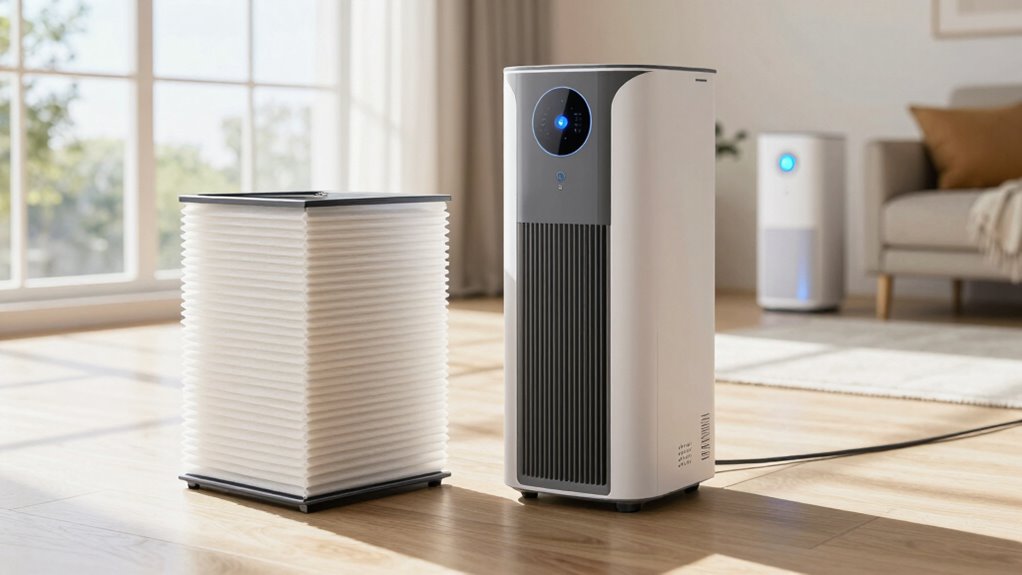

Choosing between media filters and add-on purifiers depends on your indoor air quality needs. Media filters installed within your HVAC system effectively trap dust, pollen, and larger particles. Add-on purifiers, such as HEPA or UV units, target airborne pathogens and VOCs. You can even combine both for ideal air quality, but proper installation and maintenance are key. To learn how to select the best system for your home and enhance performance, keep exploring this topic.
Key Takeaways
- Media filters are integrated into HVAC systems, trapping larger particles, while add-on purifiers are standalone units targeting pathogens and VOCs.
- Media filters require less maintenance, typically every 3–6 months, whereas add-on purifiers often need more frequent upkeep.
- HEPA and activated carbon technologies in add-on purifiers can capture smaller particles and odors more effectively than basic media filters.
- Combining media filters with add-on purifiers can optimize indoor air quality, but proper system compatibility and installation are essential.
- Long-term costs depend on maintenance frequency and system complexity, with media filters generally offering lower ongoing expenses.
What Are Media Filters and Add-On Air Purifiers?

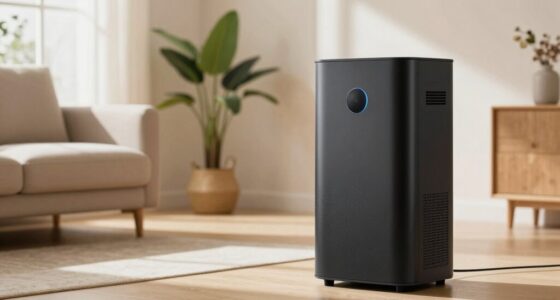
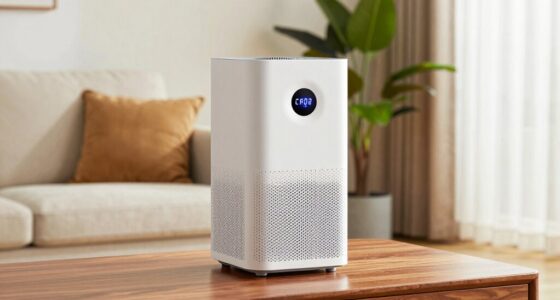
Have you ever wondered how to improve the air quality inside your home? Media filters and add-on air purifiers are two popular options. Media filters are installed within your HVAC system and use dense materials like fiberglass or activated carbon to trap dust, pollen, and other particles. They’re effective at cleaning large volumes of air and require regular replacement. On the other hand, add-on air purifiers are standalone units placed in specific rooms. These come in various types, including HEPA filters, ionizers, and UV purifiers. While indoor plants can also help improve air quality naturally, they aren’t a substitute for mechanical systems like media filters and air purifiers. Knowing the different air purifier types helps you choose the right solution for a healthier home environment. Additionally, understanding the presence of microplastics in dust can help you recognize potential indoor pollutants that might require specific filtration methods. The effectiveness of these systems can also be influenced by projector technology distinctions, which highlight the importance of selecting appropriate filtration based on specific indoor environmental factors. Being aware of indoor pollutant sources can further guide your choices in maintaining optimal air quality. Moreover, considering filter maintenance and replacement ensures these systems continue functioning effectively over time.
How Do These Systems Improve Indoor Air Quality?
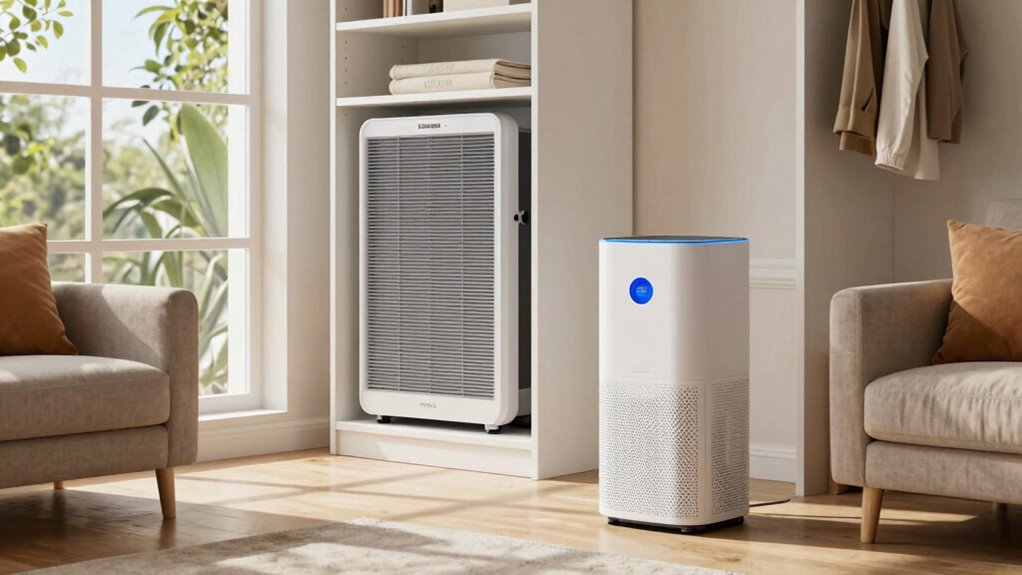
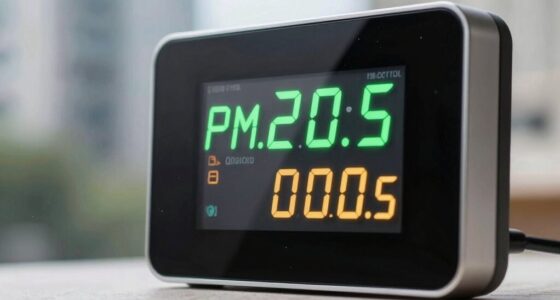
Media filters and add-on air purifiers work by actively removing pollutants from the air you breathe, substantially improving indoor air quality. They target common indoor pollutants like dust, pollen, pet dander, and airborne pathogens, which directly impact air quality indicators such as particulate levels and VOC concentrations. These systems enhance ventilation strategies by working alongside natural airflow or mechanical systems to reduce pollutant buildup. Better air quality leads to fewer allergy symptoms, respiratory issues, and overall discomfort. The table below shows how these systems contribute to improved indoor conditions:
| Pollutant Removed | Impact on Air Quality | System Effectiveness |
|---|---|---|
| Dust & Allergens | Reduces allergy symptoms | Media filters excel |
| VOCs | Lowers chemical exposure | Add-on purifiers help |
| Particulate Matter | Improves respiratory health | Both systems effective |
| Pet Dander | Eases allergy flare-ups | Media filters capture |
| Pathogens | Decreases illness risk | Purifiers kill or trap |
Additionally, understanding the air filtration process can help you choose the most effective system for your home. Proper maintenance and selecting the right system based on indoor pollutant levels further optimize air quality improvements, as understanding pollutant types is essential for effective air purification. Incorporating media filters and purifiers into your indoor environment can significantly improve overall air quality and health, and being aware of filtration efficiency can guide better system choices.
Media Filters vs. Add-On Purifiers: How Do They Differ?

When choosing between media filters and add-on purifiers, understanding their differences helps you make an informed decision for your indoor air quality. Media filters, installed within your HVAC system, use advanced filtration technology to trap dust, pollen, and larger particles efficiently. Add-on purifiers, on the other hand, are standalone units that often use UV light or ionization to target pollutants. Here are three key points to consider:
- Media filters focus on physical filtration, reducing common allergens and dust.
- Add-on purifiers often address airborne pathogens and VOCs, debunking air purification myths.
- Filtration technology varies, making some systems better suited for specific indoor air quality concerns.
- Incorporating sustainable and eco-friendly choices in your air purification system aligns with current trends in farmhouse decor and lifestyle. Recognizing the importance of technology advancements can help you select more effective and energy-efficient options. Additionally, understanding the maintenance requirements of each system ensures optimal performance and longevity.
- Considering system compatibility with your existing HVAC setup can improve overall efficiency and effectiveness.
Which System Is Better for Allergens, Dust, and Particles?
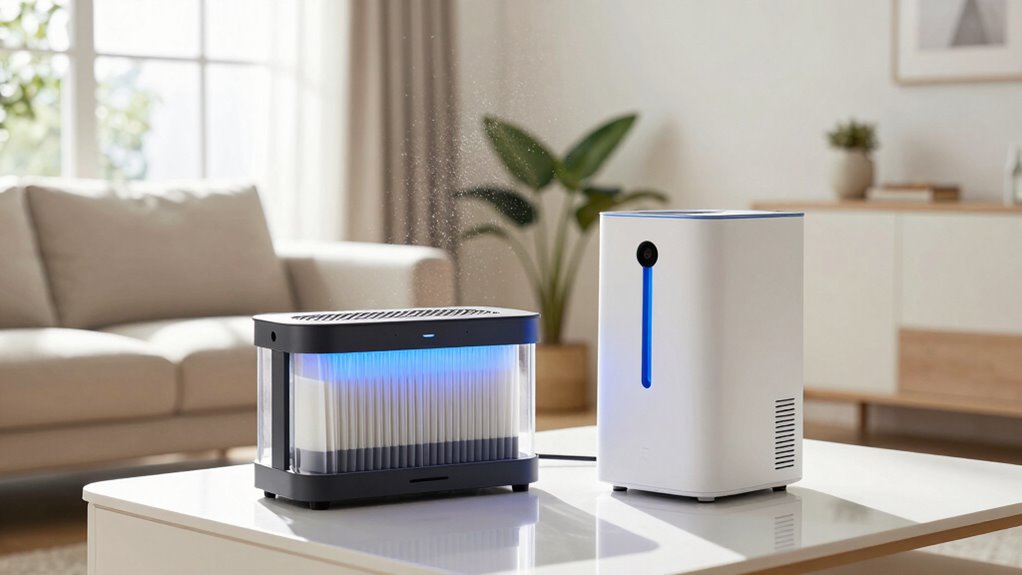
When choosing a system for allergens, dust, and particles, consider how well it filters and how long it lasts with proper maintenance. Enhanced filtration capabilities can capture smaller particles more effectively, but they may require more upkeep. Balancing system performance with maintenance needs helps you select the best option for cleaner air. Additionally, selecting appliances with energy efficiency features can reduce ongoing operational costs and improve overall home environment quality. Properly maintained air filtration systems ensure optimal performance and longevity, contributing to a healthier indoor environment.
Enhanced Filtration Capabilities
Choosing the right filtration system makes a notable difference in capturing allergens, dust, and particles effectively. Enhanced filtration capabilities boost filtration efficiency and help with odor removal, making your indoor air cleaner. Here are three ways systems improve filtration:
- High-efficiency filters trap smaller particles, improving allergen and dust removal. These filters often utilize HEPA technology to capture particles as small as 0.3 microns. Additionally, understanding filtration efficiency ratings can help determine the best system for your needs. Incorporating proper installation techniques ensures the filters perform at their maximum potential.
- Activated carbon layers target odors and chemical vapors for fresher air.
- Multi-stage filters increase overall filtration efficiency, ensuring fewer pollutants escape.
- Considering filter maintenance is essential to sustain optimal performance and prevent buildup that can reduce filtration effectiveness. Regular upkeep ensures the filters continue to perform at peak levels, especially when dealing with fine particles and chemical odors. Properly maintaining your filters also helps prevent system downtime and prolongs their lifespan.
System Maintenance and Longevity
Maintaining your air cleaning system is essential to guarantee it continues to effectively filter allergens, dust, and particles over time. Regularly checking your air filter lifespan helps prevent reduced efficiency, ensuring clean air indoors. For media filters, replacing or cleaning the filter as recommended keeps the system working at its best. Add-on purifiers may require periodic maintenance like replacing UV bulbs or HEPA cartridges. Staying on top of system upkeep also opens options for system upgrade choices, such as installing higher-capacity filters or advanced purification technologies. Proper maintenance reduces strain on your system, extending its longevity and saving you money in the long run. Additionally, routine maintenance can help detect early warning signs of system failure, allowing for timely intervention and preventing more significant issues down the line. An often overlooked aspect is monitoring system performance, which can provide valuable insights into when maintenance or upgrades are necessary.
Installation, Maintenance, and Costs Compared

When choosing a whole-house air cleaning system, you’ll want to contemplate how complicated and time-consuming the installation process is. Keep in mind that some systems require ongoing maintenance, which can add to your long-term expenses. Understanding these factors helps you pick a solution that fits your budget and lifestyle.
Installation Complexity and Time
Installing whole-house air cleaning systems varies in complexity and duration depending on the type and existing home infrastructure. If you’re considering a media filter or add-on purifier, be aware of potential retrofit challenges. These can include space constraints and compatibility issues that might require extra work. Professional installation is often recommended to guarantee proper setup and peak performance.
Here are three key points to keep in mind:
- Retrofit challenges may lengthen installation time and increase costs.
- Media filters usually involve a straightforward replacement, but some setups demand more extensive modifications.
- Add-on purifiers often require less invasive installation but still benefit from expert handling to avoid errors.
Long-term Maintenance and Expenses
Long-term maintenance and expenses play a significant role in the overall effectiveness and affordability of whole-house air cleaning systems. Media filters typically have a higher initial cost but require less frequent replacement, saving money over time. Add-on purifiers often have lower upfront costs but need more frequent replacements, increasing ongoing expenses. Here’s a quick comparison:
| System Type | Replacement Frequency | Cost Comparison |
|---|---|---|
| Media Filters | Every 3-6 months | Lower ongoing costs |
| Add-On Purifiers | Every 1-3 months | Higher ongoing expenses |
Understanding these factors helps you plan your budget and choose the system that best balances initial investment with long-term expenses.
Should You Use Both Systems Together?
Using both whole-house air cleaning systems together can be an effective way to maximize indoor air quality, but it’s important to contemplate whether the benefits outweigh the costs. Here are three considerations:
- HVAC compatibility: Ensure your furnace or air handler can handle both media filters and add-on purifiers without strain.
- Air purifier integration: Check if the systems work seamlessly together, avoiding airflow disruptions or reduced efficiency.
- Cost-effectiveness: Weigh the added expense against the potential health benefits and improved air quality, especially if you have allergies or respiratory issues.
Combining systems can offer thorough filtration, but only if they’re compatible and properly integrated. Otherwise, you might end up with unnecessary expenses or compromised performance.
How to Choose the Best Air Cleaning Solution for Your Home
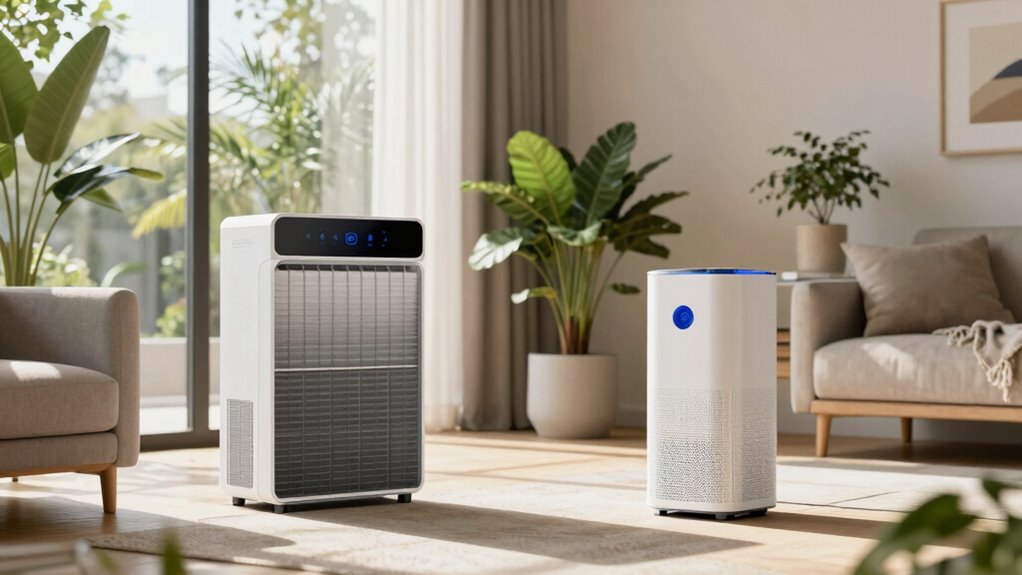
Choosing the right air cleaning solution for your home depends on your specific needs, budget, and existing HVAC system. First, beware of air purification myths that suggest one system is always better; your choice should match your air quality goals. If your HVAC system can accommodate it, integrated media filters offer low maintenance and broad filtration. For targeted or higher-grade purification, add-on purifiers like UV or HEPA units can be effective but require proper HVAC system integration to work efficiently. Consider your home’s size, indoor air quality concerns, and whether you want ongoing costs or upfront investments. Consulting with a professional can help you determine the best balance between media filters and add-on purifiers, ensuring your home remains comfortably and safely air-cleaned.
Frequently Asked Questions
What Are the Long-Term Health Benefits of Each Air Cleaning System?
You’ll likely see improved long-term health by reducing airborne allergens and pollutants, which can help prevent chronic illness. Media filters often provide consistent purification, supporting healthier lungs over time. Add-on purifiers target specific issues quickly but may require more maintenance. Both systems can benefit your respiratory health, but choosing the right one depends on your needs. Ultimately, cleaner air fosters better long-term health and can lower the risk of developing chronic illnesses.
Can Media Filters or Add-On Purifiers Remove VOCS and Chemical Odors?
Think of your home’s air as a garden needing extra care. Media filters can help with VOC removal and chemical odors, but their effectiveness varies. Add-on purifiers, especially those with activated carbon, are better suited for tackling VOCs and chemical odors. They absorb and neutralize these pollutants more efficiently, providing cleaner, fresher air. So, if you want to combat chemical smells, invest in a high-quality purifier with carbon filtration.
How Do Noise Levels Compare Between Media Filters and Add-On Purifiers?
You’ll find that media filters tend to produce lower noise levels because they often operate quietly in the HVAC system, whereas add-on purifiers can generate more noise, especially if they include fans or blowers. Noise levels impact your comfort, and maintenance costs differ too; media filters generally cost less to maintain, while add-on purifiers might require more frequent repairs or part replacements. Choose based on your noise preferences and budget.
Are There Environmental Impacts Associated With Disposing of Filters?
Think of filter disposal as planting a seed—you’re leaving behind a mark on the environment. When you discard used media filters, they contribute to your environmental footprint, adding waste to landfills. While some filters are recyclable, many end up in trash, causing pollution. Being mindful of filter disposal helps reduce environmental impacts, encouraging you to choose eco-friendly options and properly recycle whenever possible, leaving a lighter footprint on the planet.
Do These Systems Effectively Target Airborne Viruses and Bacteria?
Yes, these systems effectively target airborne viruses and bacteria through viral filtration and bacterial removal. Media filters can trap many airborne pathogens, reducing their spread in your home, while add-on purifiers often use advanced technologies like UV light or HEPA filters to enhance viral filtration and bacterial removal. By improving air quality, they help create a healthier environment, especially during flu seasons or viral outbreaks.
Conclusion
Choosing between media filters and add-on purifiers is like picking the right brush for your masterpiece—you want clarity and brilliance. Think of them as your home’s gust of fresh air, each playing a crucial role in clearing away dust, allergens, and pollutants. Sometimes, teaming them up creates a symphony of clean air, turning your house into a sanctuary. With the right system in place, you’ll breathe easier, and your indoor environment will shine brighter than ever before.