Before choosing a UV air purifier, ask if it safely contains UV-C light to avoid skin and eye exposure and if it emits ozone, which can harm your health. Verify that the device has proper safety certifications, effective containment, and minimal harmful emissions. Proper installation and maintenance are key to safe, effective use. If you want to learn more about selecting and using UV air purifiers safely, this guide provides the essential details.
Key Takeaways
- Verify that the UV air purifier is properly shielded to prevent direct UV-C exposure to skin and eyes.
- Check if the device emits ozone and ensure it meets safety standards to avoid respiratory irritation.
- Confirm the product has safety certifications and complies with relevant health and safety regulations.
- Understand the sterilization process and maintenance requirements for safe, effective operation.
- Follow manufacturer instructions for installation, use, and regular maintenance to minimize health risks.
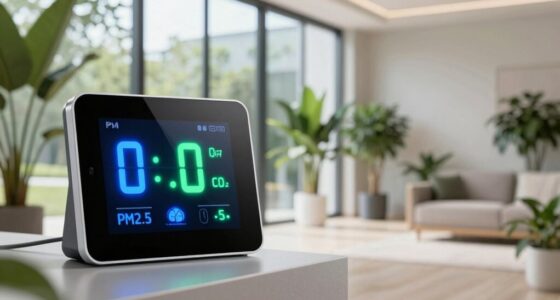
UV air purifier with safety certification
As an affiliate, we earn on qualifying purchases.
As an affiliate, we earn on qualifying purchases.
What Are UV Air Purifiers, and Are They Safe to Use?
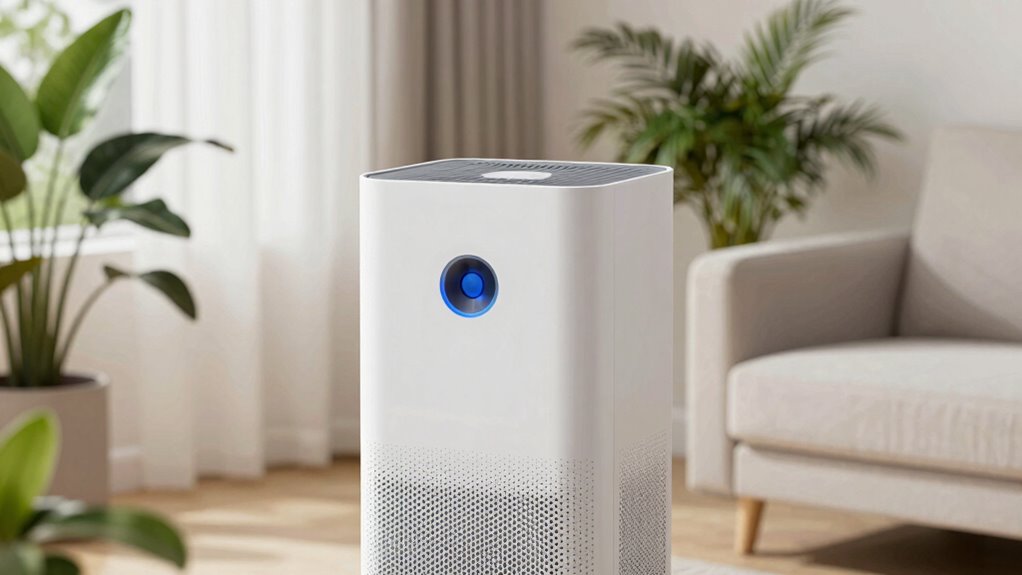
UV air purifiers are devices that use ultraviolet light to kill or inactivate airborne germs, viruses, and bacteria. They rely on ultraviolet sterilization, a process that destroys microorganisms by damaging their DNA or RNA, preventing reproduction. This technology is a form of air purification technology designed to improve indoor air quality. When air passes through the purifier, the UV light targets harmful pathogens, reducing their presence in the environment. Many users wonder about safety; UV air purifiers are generally safe when used correctly, especially since they are built to contain the UV light within the device. Proper containment UV light safety measures prevents UV light exposure and ensures safe operation and minimizes health risks associated with UV exposure. Additionally, understanding UV sterilization processes can help users operate these devices confidently and effectively. It is also important to consider device maintenance to ensure the purifier continues to function safely and efficiently over time.
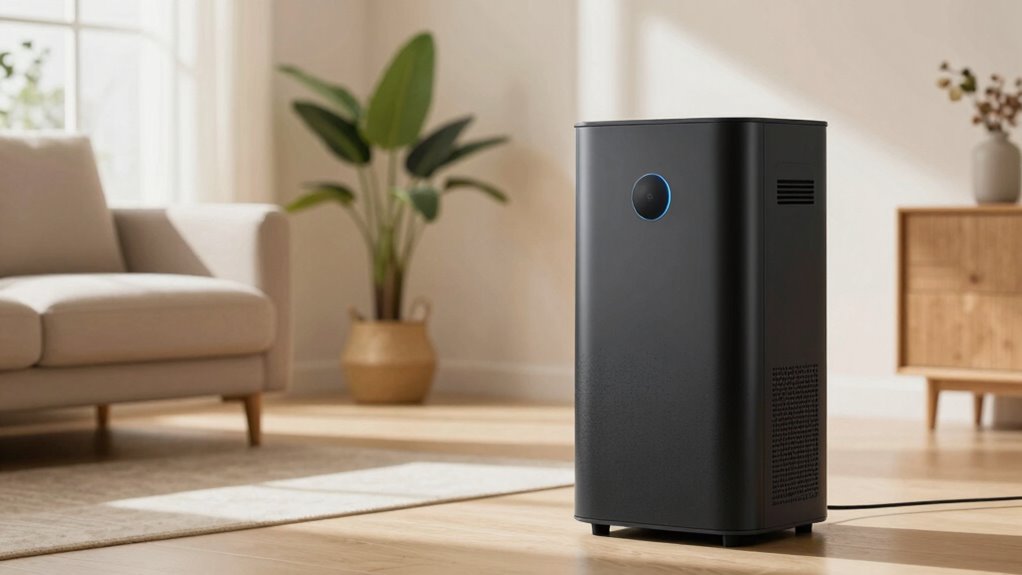
UV-C air purifier with ozone reduction
As an affiliate, we earn on qualifying purchases.
As an affiliate, we earn on qualifying purchases.
Is UV Light Safe for People and Pets Indoors?
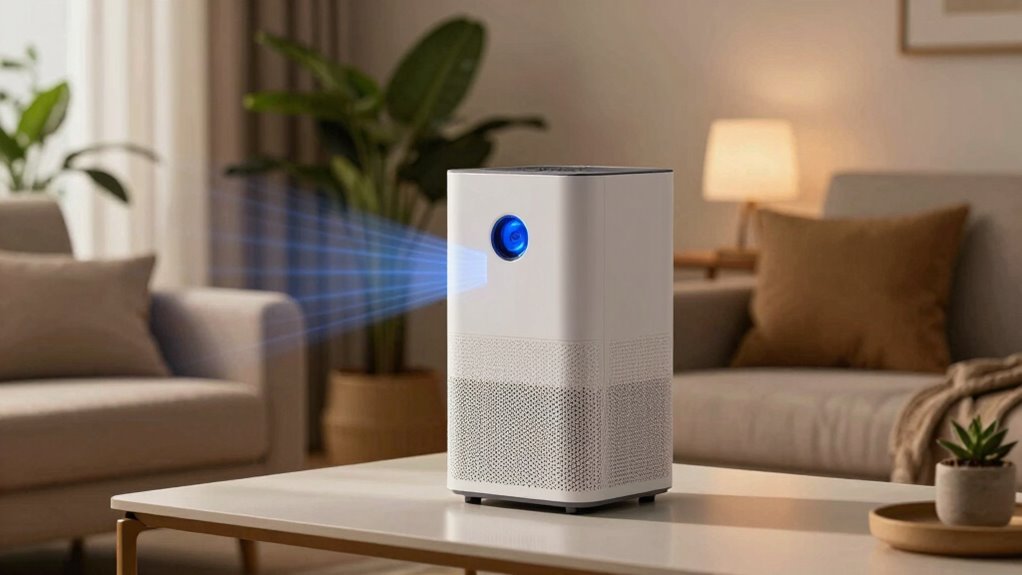
Are UV light-based air purifiers safe for people and pets indoors? Most UV safety guidelines suggest that, when used properly, these devices are safe during indoor exposure. However, direct exposure to UV-C light can be harmful to your skin and eyes. To guarantee safety, UV air purifiers are typically enclosed, preventing accidental exposure. Here’s a quick overview:
| Aspect | Concern | Safety Tip |
|---|---|---|
| UV Exposure | Skin and eye irritation | Keep units enclosed |
| Device Design | Proper shielding | Verify manufacturer safety |
| Usage Environment | Indoor safety | Follow instructions carefully |
Properly maintaining the unit and ensuring it is correctly installed can further reduce potential risks. Always choose models with proper shielding and avoid direct contact with UV light. Proper use minimizes risks, making UV air purifiers safe for indoor use.
As an affiliate, we earn on qualifying purchases.
Do UV Air Purifiers Produce Ozone or Other Harmful Emissions?
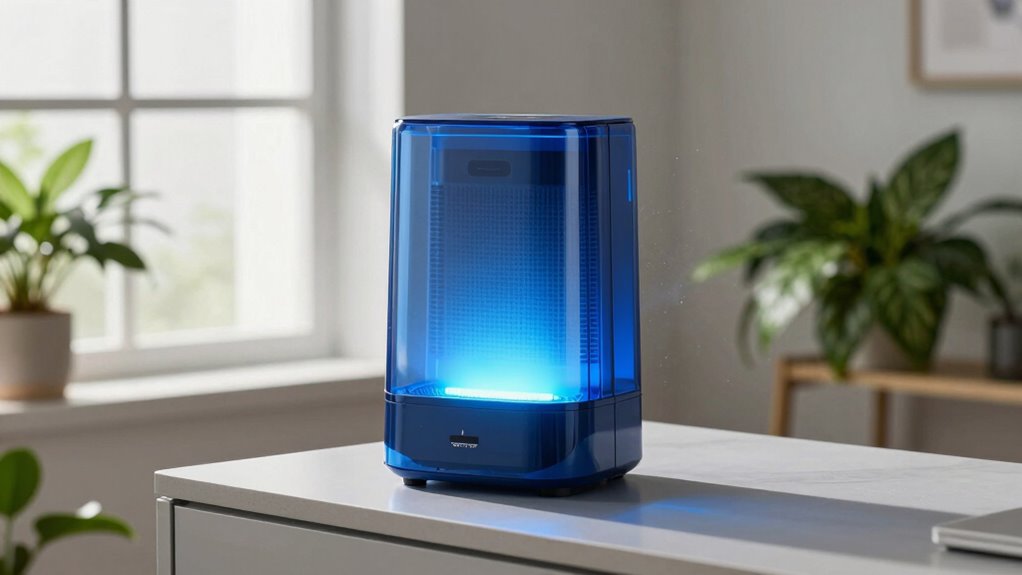
While UV air purifiers are effective at neutralizing germs and pollutants, many people wonder if they produce ozone or other harmful emissions. Some units may emit ozone as a byproduct of their operation, especially those that use UV-C light without proper safeguards. Ozone emission can irritate your lungs, throat, and eyes, posing health risks over time. It’s essential to check if a purifier is designed to minimize or eliminate harmful byproducts like ozone. Many modern UV air purifiers incorporate ozone-safe technology, ensuring they don’t produce dangerous emissions. Be cautious of units labeled as “ozone generators,” as these are likely to emit harmful levels of ozone. Always verify the specifications to ensure your air purifier is safe and doesn’t generate harmful byproducts while cleaning your air. Additionally, understanding the relationship between UV light and ozone can help you make safer choices when selecting an air purifier. Incorporating ozone reduction features can further enhance your device’s safety and effectiveness. Moreover, researching UV light safety standards can help you identify units that meet proper safety guidelines and reduce health risks. It is also helpful to review independent safety certifications to confirm a device’s compliance with health and safety regulations. Being aware of potential emissions can help you select the safest and most effective air purifier for your needs.
safe UV air purifier for pets and children
As an affiliate, we earn on qualifying purchases.
As an affiliate, we earn on qualifying purchases.
How to Choose a Safe and Effective UV Air Purifier for Your Home
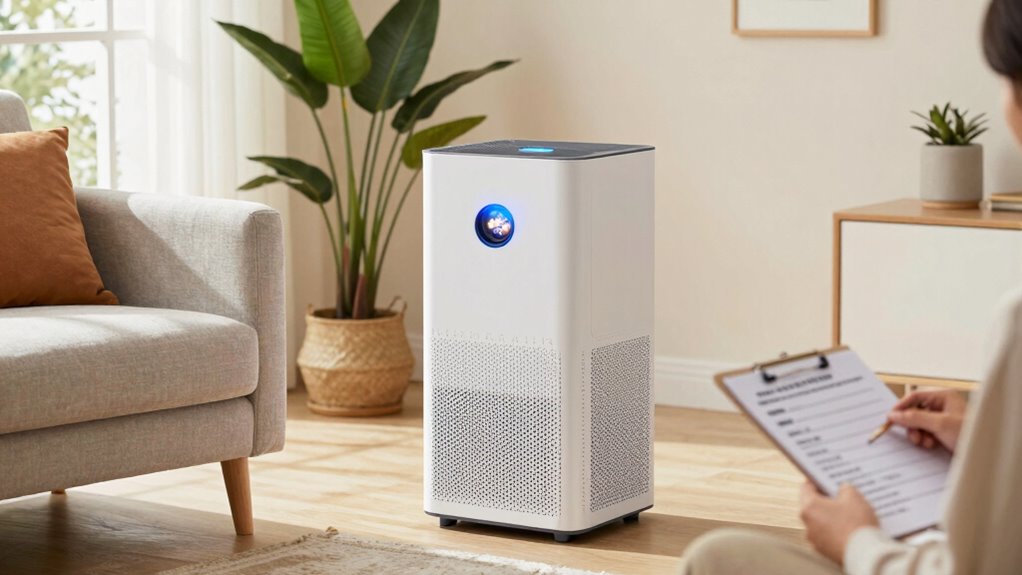
Choosing a safe and effective UV air purifier for your home requires careful research and attention to key features. Focus on models that improve air quality without releasing harmful emissions. Look for devices with proper shielding and certification to guarantee they don’t produce ozone or other pollutants. Check the UV bulb’s strength and lifespan to assure consistent performance. Consider ease of device maintenance—regularly replacing filters and UV bulbs keeps the purifier working efficiently and maintains air quality. A well-designed unit not only kills germs effectively but also minimizes risks associated with improper operation. Pay attention to safety certifications and manufacturer guidelines to ensure you select a trustworthy product. Ensuring proper maintenance practices can significantly extend the lifespan and effectiveness of your purifier. Additionally, understanding the UV light safety standards can help you choose a device that adheres to established health guidelines. Incorporating advanced filtration technology can further optimize air purification and safety. Moreover, selecting a unit with user-friendly controls can make routine maintenance and operation simpler, promoting ongoing safety and performance. By selecting a purifier with these features, you’ll promote healthier indoor air while ensuring safety and reliability in your home environment.
How to Use UV Air Purifiers Safely and Maximize Their Benefits
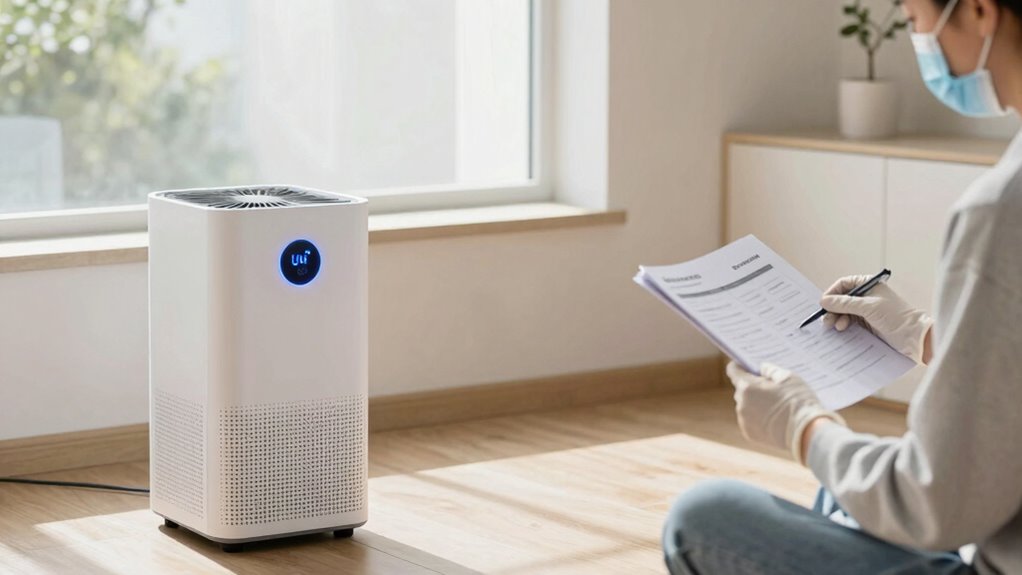
To safely use your UV air purifier and get the most benefit from it, you need to follow proper operating procedures and maintenance routines. Prioritize UV safety by ensuring the UV light is well-contained and not exposed directly to your skin or eyes. Regular air purifier maintenance, like replacing filters and checking UV bulbs, keeps the device running efficiently. Understanding the home cleaning principles involved can help prevent accidental UV exposure and prolong the life of your purifier. Additionally, being aware of air purifier maintenance dos and don’ts can help ensure safe and effective operation. Here are four key steps:
- Turn off the purifier before opening it to avoid UV exposure.
- Clean or replace filters as recommended to maintain airflow.
- Inspect UV bulbs periodically, replacing them when they dim.
- Keep the unit in a well-ventilated area for ideal air circulation. Regularly monitoring UV light safety protocols can further improve safe usage practices. Furthermore, understanding the electricity consumption of your device helps manage energy costs and environmental impact.
Following these steps helps maximize benefits while ensuring safe use and proper UV safety practices. Incorporating UV safety protocols into your routine can further reduce risks and enhance the longevity of your device.
Frequently Asked Questions
Can UV Air Purifiers Effectively Eliminate All Airborne Viruses?
UV air purifiers can substantially improve virus elimination, but they don’t eliminate all airborne viruses completely. Their UV efficacy depends on factors like bulb strength, exposure time, and air circulation. While they’re effective against many viruses, some may still slip through if the system isn’t properly maintained. To maximize safety, choose a purifier with proven UV efficacy, and follow maintenance guidelines to ensure ongoing virus elimination.
Are There Any Long-Term Health Risks Associated With Using UV Air Purifiers?
You might wonder if long-term effects or chemical exposure pose risks with UV air purifiers. While they’re generally safe, prolonged use could lead to some concerns, such as potential chemical exposure from ozone emissions or material degradation over time. Stay vigilant by choosing high-quality models and ensuring proper ventilation. Regular maintenance and monitoring can help you avoid hidden risks and enjoy cleaner air without compromising your health.
How Often Should UV Bulbs Be Replaced for Optimal Safety?
You should replace UV bulbs based on their bulb lifespan, typically every 9 to 12 months. Following a regular replacement schedule guarantees peak safety and maintains the purifier’s effectiveness. Don’t wait until the bulb burns out completely, as diminished UV output can reduce air purification and increase health risks. Check your device’s manufacturer recommendations for specific timing, and set reminders to keep your UV air purifier functioning safely.
Are UV Air Purifiers Suitable for Use in Allergy-Sensitive Households?
Yes, UV air purifiers can be suitable for allergy-sensitive households, especially if you’re dealing with airborne allergens or household asthma. They help reduce mold, bacteria, and other irritants that trigger allergies. However, verify the device is designed for allergy relief, and maintain it properly. It’s also wise to combine UV purification with HEPA filters for maximum effectiveness in creating a safer, allergen-reduced environment.
Do UV Air Purifiers Impact Indoor Humidity Levels or Air Quality?
You might notice that UV air purifiers don’t significantly impact humidity levels, so your indoor air stays comfortable. Interestingly, their main role improves air quality effects by reducing airborne bacteria, viruses, and mold spores. While some models might produce a bit of ozone, it usually doesn’t affect humidity. Overall, UV purifiers enhance air quality without causing noticeable changes to your home’s humidity, making them a safe addition to your environment.
Conclusion
Before choosing a UV air purifier, ask about safety features and emissions. While some believe UV light can harm you or pets, properly designed units are safe when used correctly. There’s a common myth that all UV purifiers produce dangerous ozone, but many modern models avoid this. Do your research, select a reputable unit, and follow safety guidelines to enjoy cleaner air without worry. Confirming these facts helps make certain you’re making a safe, effective choice for your home.