
One common mistake pet owners make is assuming that opening windows or relying solely on natural ventilation keeps indoor air quality high. In reality, outdoor pollutants like pollen, dust, and car exhaust can enter and worsen air quality, negatively affecting your pet’s health. Without active measures like air purifiers, regular cleaning, and proper ventilation, you may unknowingly compromise your pet’s well-being. Keep going to discover simple ways to create a healthier indoor environment for your furry friends.
Key Takeaways
- Relying solely on home cleanliness without using air purifiers or proper ventilation to remove airborne pollutants.
- Underestimating outdoor pollution’s impact when opening windows or relying on natural airflow.
- Assuming indoor plants alone can sufficiently filter toxins and improve air quality for pets.
- Neglecting regular replacement or maintenance of air filters and ventilation systems.
- Overlooking the importance of active air quality management beyond basic cleaning routines.

Many pet owners overlook a common mistake that can compromise their furry friends’ health: neglecting proper indoor air quality. You might think that keeping your home clean and cozy is enough, but the air inside your house plays a vital role in your pet’s well-being. Poor air quality can lead to respiratory issues, allergies, and other health problems that often go unnoticed until symptoms worsen. One way to improve your indoor air is by incorporating indoor plants, which naturally filter toxins and add freshness to your space. However, not all plants are safe for pets, so it’s essential to choose pet-friendly varieties. Plants like spider plants, Boston ferns, and areca palms can beautify your home while helping purify the air. But relying solely on plants isn’t enough, especially if your home’s air quality is greatly compromised.
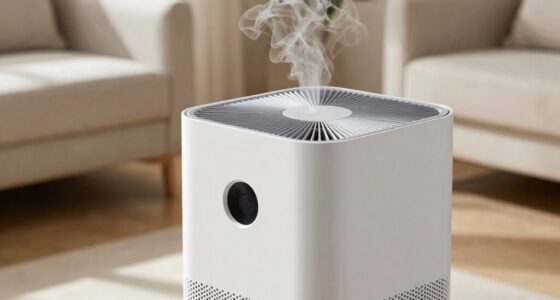
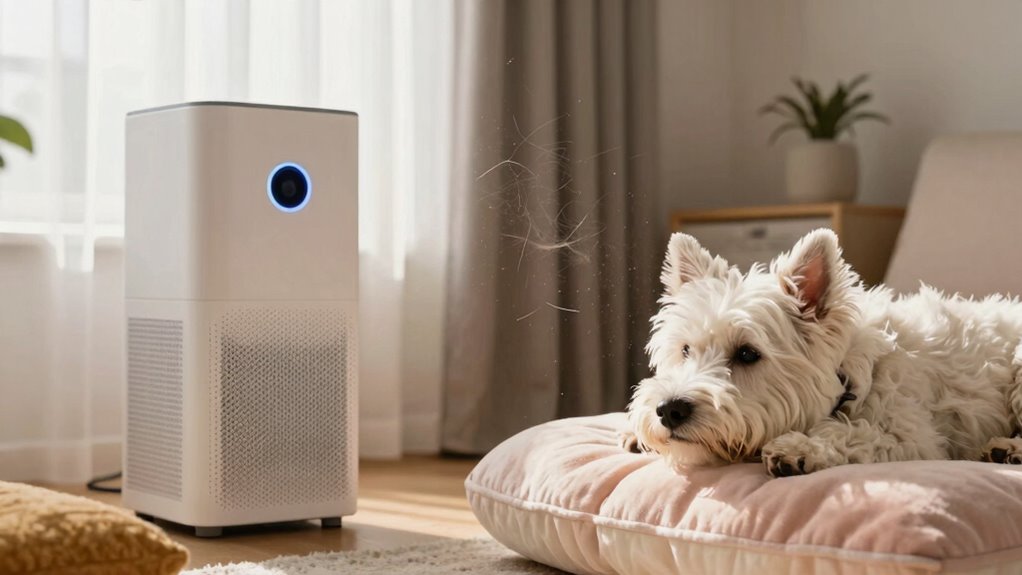
That’s where air purifiers come into play. These devices actively remove airborne pollutants, such as pet dander, dust, pollen, and even some airborne bacteria and viruses. By running a high-quality air purifier in the rooms your pets frequent, you considerably reduce the risk of respiratory irritation and allergic reactions. Many pet owners underestimate how much pet dander and other pollutants can circulate in the air, especially in homes with multiple animals or those that don’t ventilate well. Using an air purifier with a HEPA filter can trap tiny particles that would otherwise settle on surfaces or get inhaled by your pets. This creates a cleaner, healthier environment, reducing the chances of allergy flare-ups and respiratory discomfort. Additionally, indoor air quality can be significantly improved through proper ventilation and maintenance. Regularly replacing filters and ensuring good airflow are crucial steps in maintaining a healthy indoor environment. Proper air circulation is essential to prevent the stagnation and buildup of pollutants that can impact your pet’s health.
It’s tempting to think that opening windows or airing out your home intermittently will solve indoor air quality issues, but this isn’t always enough. Outdoor pollutants like pollen, car exhaust, and industrial emissions can enter your home, negating the benefits of fresh air. Instead, a combination of indoor plants and air purifiers provides a more consistent solution to maintaining clean air. Keep in mind that regular cleaning also helps reduce dust and dander buildup, but it’s no substitute for proper air filtration. An effective ventilation system is essential to continuously exchange indoor air and reduce pollutant buildup. The real mistake many pet owners make is not prioritizing this aspect of pet care enough, assuming their home’s air quality is okay without taking active measures. Being proactive about air quality management can make a significant difference in your pet’s health and comfort.
HEPA air purifier for pets
As an affiliate, we earn on qualifying purchases.
As an affiliate, we earn on qualifying purchases.
Frequently Asked Questions
Can Certain Houseplants Improve Indoor Air Quality for Pets?
Certain houseplants can improve indoor air quality for pets, but you need to be cautious about plant toxicity. Some popular air purification plants, like pothos or peace lilies, are toxic to pets if ingested. To safely enhance air quality, choose pet-friendly options like spider plants or Boston ferns. Always research plant toxicity and guarantee your chosen plants support air purification without risking your pet’s health.
How Often Should I Replace Air Filters in Pet-Friendly Homes?
Imagine your air filter as a sponge soaking up pet hair and dander. You should replace it every 30 to 60 days, especially if you notice increased pet hair accumulation or if your home feels less fresh. An extended air filter lifespan can be compromised by pet hair buildup, reducing its effectiveness. Regular changes keep your air clean and healthy for both you and your furry friends.
Are Air Purifiers Safe Around All Types of Pets?
Air purifier safety varies, but most are safe around all types of pets when used correctly. Look for models with pet-friendly filters and avoid ozone-generating purifiers. They help with pet allergy prevention by reducing dander, fur, and odors. Always follow manufacturer instructions and maintain filters regularly. If you’re concerned, choose air purifiers specifically designed for pet owners, ensuring both your pets and household air stay healthy and safe.
Do Air Fresheners Affect Pet Respiratory Health?
Yes, air fresheners can negatively impact your pet’s respiratory health. Chemical pollutants from these products irritate their airways, while scent masking can hide underlying issues, delaying necessary care. You should avoid strong fragrances and choose natural alternatives. By reducing exposure to chemical pollutants and avoiding scent masking, you protect your pet’s breathing, promoting healthier lungs and a safer environment for your furry friend.
What Natural Remedies Can Help Improve Indoor Air Quality for Pets?
You can improve indoor air quality for your pets by increasing natural ventilation, like opening windows regularly to let fresh air in. Use essential oils cautiously—preferably diffusing pet-safe options in small amounts—and avoid direct contact with your pets. Regularly clean your home, reduce dust, and keep humidity levels balanced. These simple steps create a healthier environment, helping your pets breathe easier and stay happier indoors.
pet-safe indoor plants
As an affiliate, we earn on qualifying purchases.
As an affiliate, we earn on qualifying purchases.
Conclusion
So, next time you think you’re doing everything right for your pet’s health, remember that the air you breathe matters just as much. It’s funny how often we overlook small details, like air quality, that can have a big impact. Sometimes, a simple change—like improving ventilation—can make all the difference. After all, the best care comes from paying attention to what’s often invisible but truly essential, just like that unexpected coincidence that changes everything.
air filter replacement for HVAC
As an affiliate, we earn on qualifying purchases.
As an affiliate, we earn on qualifying purchases.
pet-friendly air purifiers
As an affiliate, we earn on qualifying purchases.
As an affiliate, we earn on qualifying purchases.