
Understanding particulate matter like PM2.5 and PM10 helps you recognize how tiny particles in the air can harm your health. These particles come from sources like vehicle emissions, industrial processes, and wildfires, and can penetrate deep into your lungs and bloodstream. Exposure may cause coughing, asthma flare-ups, or worsen heart problems over time. Being aware of air quality alerts and taking precautions can protect you—continue exploring to learn more about reducing your risks.
Key Takeaways
- PM2.5 particles are tiny airborne particles less than 2.5 micrometers, capable of penetrating deep into the lungs and bloodstream.
- PM10 includes particles smaller than 10 micrometers, affecting the respiratory system but generally not reaching the bloodstream.
- Exposure to PM2.5 and PM10 can cause respiratory issues, aggravate existing conditions, and increase cardiovascular risks.
- Natural and human activities like vehicle emissions, industry, and wildfires are primary sources of PM pollution.
- Monitoring air quality and taking protective measures reduce health risks associated with particulate matter exposure.
Particulate matter (PM) refers to tiny particles suspended in the air that can easily be inhaled into your lungs. These particles vary in size, with PM2.5 and PM10 being the most commonly discussed. PM2.5 consists of particles smaller than 2.5 micrometers in diameter, while PM10 includes particles up to 10 micrometers. Because of their small size, these particles can penetrate deep into your respiratory system, reaching your lungs and even entering your bloodstream. This makes understanding their impact on air quality and respiratory health vital for safeguarding your wellbeing.
When air quality deteriorates due to increased levels of PM, the air becomes less safe to breathe. High concentrations of PM can come from various sources, such as vehicle emissions, industrial processes, construction activities, wildfires, and even natural events like dust storms. Poor air quality caused by elevated particulate matter levels can lead to immediate health effects, such as coughing, throat irritation, shortness of breath, and chest tightness. Over time, ongoing exposure can worsen respiratory conditions like asthma, bronchitis, and chronic obstructive pulmonary disease (COPD). It can also increase your risk for cardiovascular issues, including heart attacks and strokes, as these tiny particles can promote inflammation and oxidative stress within your body.
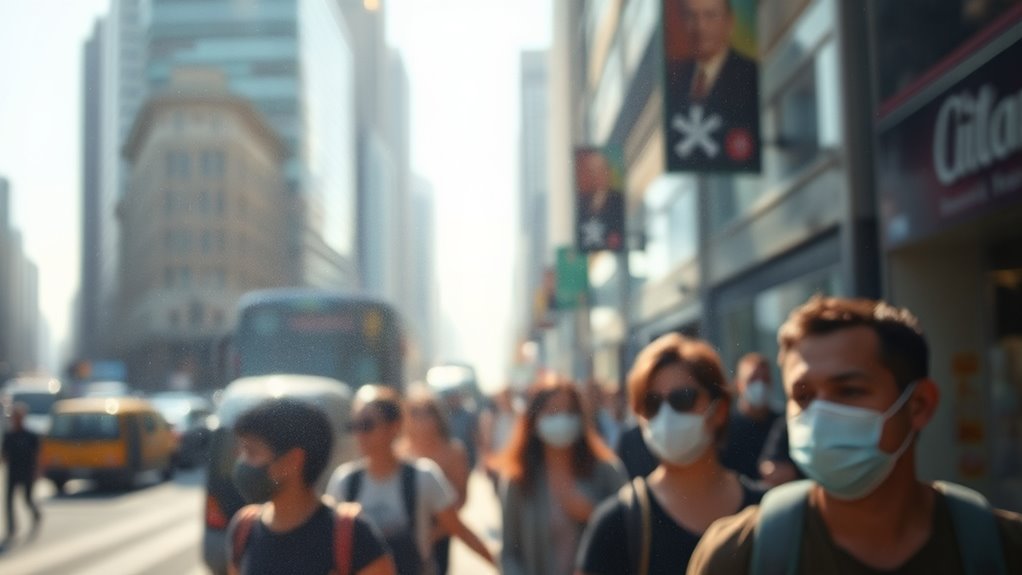
Your respiratory health is particularly vulnerable to PM exposure because these particles can deposit deep in your lungs. Once inhaled, they can cause inflammation, impair lung function, and aggravate existing respiratory illnesses. Children, the elderly, and people with pre-existing health conditions are especially at risk. If you live in an area with poor air quality, you might notice increased respiratory symptoms when pollution levels spike. This is why monitoring local air quality reports is essential for taking precautions. Wearing masks during high pollution days, avoiding outdoor activities, and keeping windows closed can help reduce your exposure to harmful particles.
Understanding the relationship between particulate matter and air quality enables you to make informed decisions about your environment and health. Recognizing the importance of minimizing exposure during pollution episodes protects your respiratory health and overall wellbeing. Research also indicates that advancements in AI safety measures can help develop better tools for monitoring and managing air pollution levels more effectively. If you notice persistent respiratory issues or worsening symptoms, consult healthcare professionals and stay updated on air quality advisories. Ultimately, being aware of PM levels in your area empowers you to take proactive steps to breathe cleaner air and maintain healthier lungs.
Frequently Asked Questions
How Does Particulate Matter Affect Children Differently Than Adults?
You might notice that children are more affected by particulate matter because their vulnerable immune systems haven’t fully developed, making them less able to fight off pollutants. Their developing bodies are also more sensitive to environmental toxins, which can interfere with growth and development. As a result, children face higher risks of respiratory issues, allergies, and long-term health problems from exposure to PM2.5 and PM10 compared to adults.
Are There Specific Activities That Increase Exposure to PM2.5 and PM10?
You increase your exposure to PM2.5 and PM10 through outdoor traffic and cooking emissions. When you’re near busy roads, vehicle exhaust releases these particles into the air you breathe. Similarly, cooking, especially frying or grilling, produces fine particles that linger indoors. To protect yourself, minimize time spent in high-traffic areas and use proper ventilation while cooking. Taking these steps can reduce your particulate matter exposure considerably.
Can Indoor Air Purifiers Effectively Reduce Particulate Matter Levels?
Think of an indoor air purifier as a vigilant guardian, quietly battling indoor pollution. Yes, it can effectively reduce particulate matter levels when equipped with HEPA filters, trapping Pm2.5 and PM10 particles. However, its efficiency depends on proper size, placement, and regular maintenance. To truly breathe easier, pair an air purifier with good ventilation and reduce indoor sources of pollution, creating a healthier environment where clean air flows freely.
What Are the Long-Term Health Effects of Chronic PM Exposure?
Chronic PM exposure can cause long-term health issues, including lung inflammation and increased cardiovascular risk. You might experience ongoing respiratory problems, such as asthma or reduced lung function, and your heart health could decline over time. Protect yourself by minimizing exposure, especially in polluted environments. Regularly check air quality levels and consider using air purifiers indoors to help reduce your risk of these serious health effects.
How Do Weather Conditions Influence Particulate Matter Concentrations?
Oh, the irony is thick when you realize weather conditions actually control particulate matter levels. Temperature fluctuations can cause particles to settle or rise, while wind speed either disperses pollutants or traps them near the ground. So, on breezy days, you might breathe easier, but when the wind drops, PM concentrations spike. It’s nature’s way of saying, “Enjoy the air while it lasts,” all depending on weather whims.
Conclusion
Understanding particulate matter is vital for your health. Did you know that nearly 7 million premature deaths each year are linked to air pollution? PM2.5 particles, tiny enough to enter your lungs and bloodstream, pose serious risks. By staying informed and reducing exposure, you can protect yourself and loved ones. Remember, your actions matter—every effort counts in breathing cleaner air and improving your well-being.