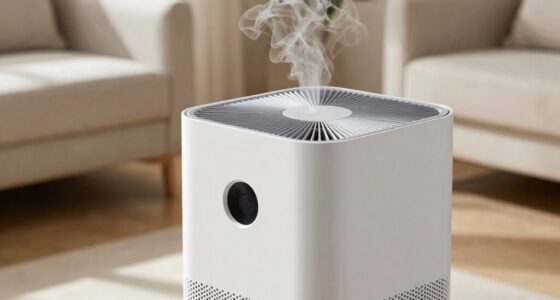
In modern, sealed homes, you need to be more aware of VOCs because their airtight design traps pollutants, preventing natural airflow that would normally dilute them. This increases your exposure to harmful chemicals from building materials, paints, and household products. Without proper ventilation or material choices, VOCs can build up, leading to health issues like headaches or allergies. If you want to protect your indoor air quality and health, understanding how to manage VOCs is essential—keep exploring to learn more.
Key Takeaways
- Sealed homes trap VOCs indoors, increasing exposure risk without natural ventilation.
- Modern materials in airtight homes often emit VOCs over time, raising health concerns.
- Reduced outdoor air exchange in airtight designs prevents dilution of indoor pollutants.
- Lack of proper ventilation leads to VOC buildup, causing respiratory and allergy issues.
- Awareness prompts better material choices and ventilation strategies to ensure healthier indoor air.
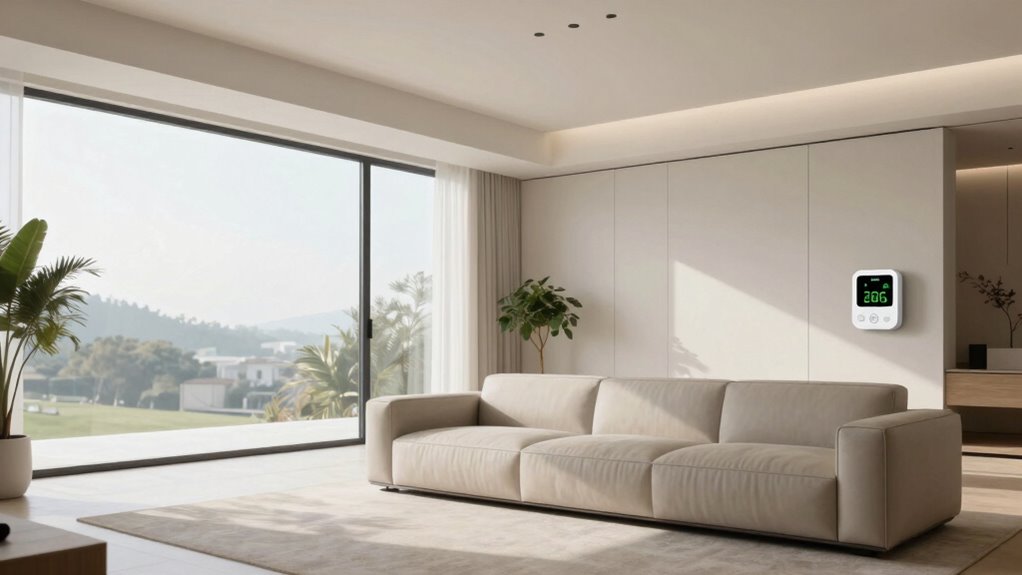
Have you ever wondered what invisible pollutants might be lurking in your home? In today’s modern houses, sealed tightly to improve energy efficiency, that question becomes even more relevant. These airtight designs keep outdoor air out and indoor temperatures steady, but they also trap indoor pollutants, making indoor air quality a real concern. Volatile Organic Compounds (VOCs) are among the most common culprits, often emitted from everyday building materials, furniture, and household products. Because your home is so well sealed, these VOCs don’t get diluted or vented out naturally. Instead, they accumulate, increasing the risk of health issues like respiratory irritation, headaches, or allergies. That’s why understanding VOC awareness is more essential than ever in modern homes.
Sealed modern homes trap VOCs, increasing health risks without proper ventilation or awareness.
The safety of building materials plays a pivotal role in indoor air quality. Many construction and finishing materials, like pressed wood, paints, adhesives, and carpets, release VOCs over time. When these materials are used in airtight homes, their emissions are confined, making it imperative to prioritize building material safety during construction and renovation. Choosing low-VOC or VOC-free options isn’t just a trend; it’s a necessary step to promote healthier living environments. If you ignore this, you might unknowingly expose yourself and your family to harmful chemicals that linger in the air long after the initial installation. The longer VOCs stay in your sealed environment, the higher the chance they’ll affect your health. Indoor air quality can be significantly impacted by these emissions, emphasizing the importance of proper material choices. Additionally, air exchange strategies are vital for maintaining a healthy balance of indoor air. Proper ventilation can help reduce the concentration of VOCs and improve overall air quality.
In modern homes, the significance of indoor air quality has grown exponentially. Ventilation systems are often designed to be discreet and efficient, but they don’t always account for the buildup of VOCs. Without proper ventilation or air purification, these compounds can reach levels that cause discomfort or health concerns. It’s essential to be aware of the sources of VOCs in your home and to take steps to minimize their presence. Regularly airing out your living space, using air purifiers equipped with activated carbon filters, and selecting furniture and materials with low emissions can make a big difference. Being proactive about building material safety and indoor air quality helps you create a healthier environment, especially when your home is built to keep outside influences out but doesn’t naturally clear indoor pollutants. Additionally, understanding how airtight home design impacts indoor air quality underscores the importance of proper ventilation strategies. Maintaining a balance between energy efficiency and indoor air quality is crucial for safeguarding your health and comfort.
As an affiliate, we earn on qualifying purchases.
Frequently Asked Questions
How Do VOC Levels Vary With Different Types of Modern Building Materials?
Building materials substantially influence VOC levels in your home, as some release indoor pollutants over time. For example, pressed wood products, paints, and adhesives tend to emit higher VOCs, especially when new. Conversely, natural materials like solid wood or low-emission paints release fewer indoor pollutants. By choosing safer building materials, you can reduce VOC levels, creating a healthier environment and minimizing indoor air quality concerns for you and your family.
Are VOCS More Harmful Indoors Than Outdoors?
Ironically, indoor pollution can be more harmful than outdoor air, especially if you’re chemically sensitive. You might think sealed homes keep you safe, but they trap VOCs from paints, furniture, and cleaning products, increasing your exposure. This buildup worsens chemical sensitivity and health issues. Without proper ventilation, your home becomes a confined space where VOCs linger, making indoor air quality a vital concern for your well-being.
Can Plants Effectively Reduce VOC Levels in Sealed Homes?
Plants can help reduce VOC levels in sealed homes through their natural VOC absorption abilities. Certain plant species, like spider plants, snake plants, and peace lilies, excel at filtering indoor air pollutants. While they won’t eliminate VOCs completely, incorporating these plants can improve air quality and add a touch of greenery. Regular care and multiple plants enhance their effectiveness, making your home healthier and more inviting.
What Are the Long-Term Health Effects of VOC Exposure?
Think of VOC exposure as a silent, slow dance with your health. Over time, it can lead to respiratory issues, allergies, or even more serious concerns. Indoor air purification and VOC mitigation strategies can help reduce these risks, but long-term exposure might subtly influence your well-being. Staying vigilant and maintaining good ventilation ensures your home remains a safe sanctuary, protecting you from the quiet toll of VOCs.
How Often Should Air Quality Testing Be Performed in Modern Homes?
You should perform air quality testing every few months to monitor indoor pollutants effectively. Modern, sealed homes tend to trap VOCs and other pollutants, so adequate ventilation strategies are essential. Regular testing helps you identify elevated VOC levels early, allowing you to improve ventilation and reduce health risks. Keep a routine to guarantee your indoor environment stays safe and comfortable, especially as sealed homes can accumulate pollutants more quickly.
ventilation system for sealed homes
As an affiliate, we earn on qualifying purchases.
As an affiliate, we earn on qualifying purchases.
Conclusion
As you step into your sealed modern home, imagine a quiet, invisible cloud of VOCs lingering in the air, slowly weaving into your daily life. Without awareness, these unseen intruders can subtly affect your health and comfort. But with a little knowledge, you can open windows, bring in fresh air, and keep your sanctuary safe. Remember, in the battle for cleaner air, awareness is your most powerful tool—protect your space, and breathe easy.
As an affiliate, we earn on qualifying purchases.
As an affiliate, we earn on qualifying purchases.