You need different fan logic for entryways, kitchens, and great rooms because each space has unique needs for air flow, comfort, and energy use. Entryways benefit from quick air circulation to remove dust and odors, while kitchens require fast responses to heat, humidity, and smells during cooking. Great rooms need balanced, quiet airflow for comfort during gatherings. Tailoring fan controls for each area helps keep your home comfortable and energy-efficient—stay with us to find out how to optimize your system.

Get home appliances delivered free with Prime
- Fast, free delivery on millions of items
- Prime Video, Amazon Music and more included
- Member-only deals all year
Key Takeaways
- Entryways require quick air circulation to remove dust, humidity, and odors from high-traffic activity.
- Kitchens need rapid, adjustable ventilation to handle heat, humidity, and strong cooking odors promptly.
- Great rooms benefit from balanced, adaptive airflow that maintains comfort during gatherings and minimizes drafts.
- Different spaces have unique occupancy patterns and environmental needs, necessitating tailored fan control strategies.
- Customized fan logic enhances energy efficiency by activating fans only when specific conditions or occupancy are detected.
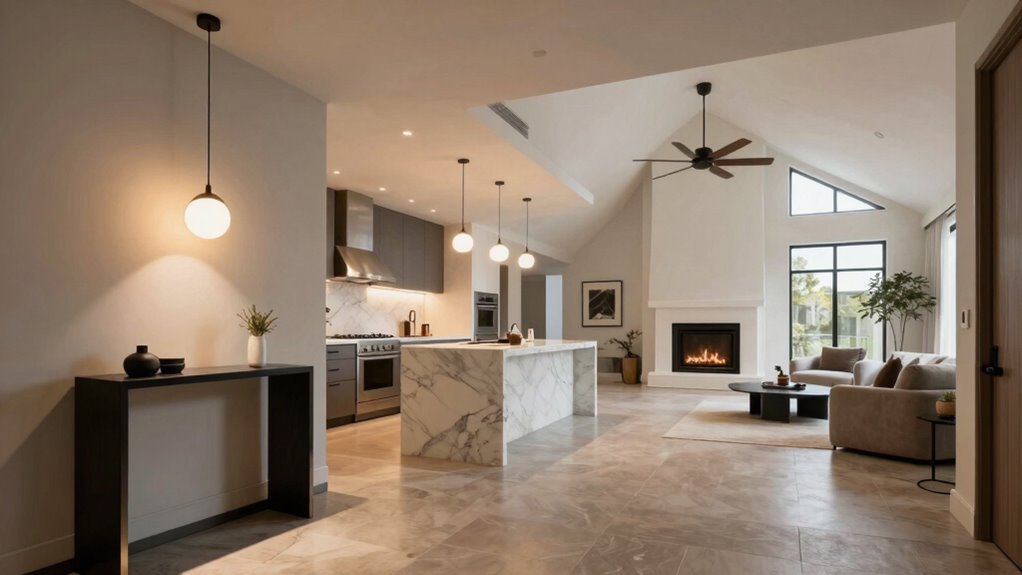
When it comes to managing airflow in your home, understanding the fan logic in entryways, kitchens, and great rooms is essential. Each space has unique needs, and tailored fan control can make a significant difference in comfort, energy efficiency, and overall convenience. With smart control systems, you can customize how fans operate in each area, guaranteeing best airflow without wasting energy. This approach not only improves comfort but also helps you save on energy bills over time.
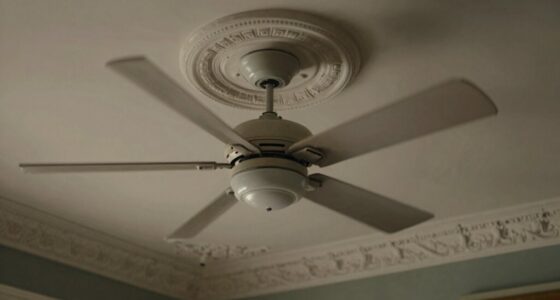
Entryways are high-traffic zones that often require quick air circulation. When you walk in or out, you want the fan to activate automatically to clear any dust, humidity, or odors brought in from outside. Smart control enables your system to detect movement or door activity, turning the fan on only when needed. This targeted operation minimizes unnecessary energy use and ensures the space feels fresh and well-ventilated instantly. By setting specific parameters for movement detection or time delay, you keep airflow ideal without constant fan operation, promoting energy efficiency. Incorporating smart control systems allows for more precise management of airflow tailored to your routines. Additionally, integrating sensors that monitor environmental conditions can further enhance efficiency by adjusting fan activity based on real-time needs. Utilizing environmental sensors can help optimize fan operation, ensuring comfort while conserving energy. Implementing occupancy detection can further refine this process by activating fans only when the space is actively in use.
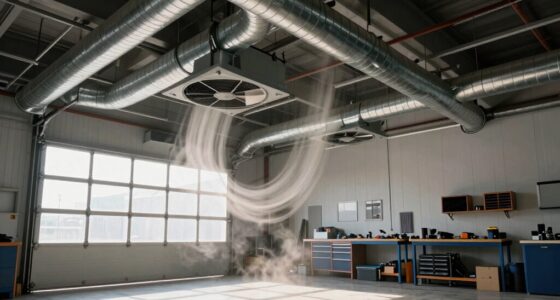
Kitchens present a different challenge. Cooking generates heat, humidity, and odors that demand immediate and effective ventilation. Here, fan logic needs to prioritize rapid response to these conditions. Smart controls can be programmed to activate fans automatically when the stove or oven is in use, or when humidity sensors detect excess moisture. This ensures that your kitchen remains comfortable and free of lingering smells. Additionally, adjustable fan speeds allow you to modulate airflow based on cooking intensity, which further enhances energy efficiency by avoiding over-ventilation. When you control the fan intelligently, you get a balance between comfort and conserving energy, avoiding unnecessary power consumption during light cooking or short tasks.
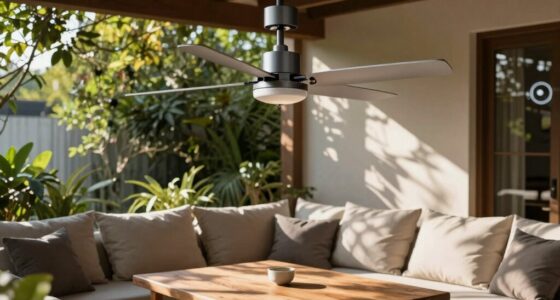
Great rooms, being larger and more open, require a different approach. You want the fan to circulate air evenly without creating noise or drafts that disrupt your comfort. Smart control systems can learn your habits or be programmed for automatic operation during certain times of the day. For example, during movie nights or gatherings, the fan can run at a gentle speed, maintaining airflow without being intrusive. These systems optimize energy efficiency by adjusting fan activity based on occupancy and environmental conditions, preventing wasteful operation when the room is unoccupied. The key is to use adaptable fan logic that responds to your lifestyle, maximizing comfort while minimizing energy use. Incorporating adaptive control features further allows your system to fine-tune fan operation based on ongoing patterns and preferences, ensuring continuous optimal performance.
Products Worth Considering

Philips Hue Large Smart Light Tube, Black – White and Color Ambiance LED Color-Changing Light – 1 Pack

Samsung 42-Inch Class OLED S90F 4K Smart TV (2025)

Blueair Blue Pure 211i Max Smart Air Purifier for Large Rooms
As an affiliate, we earn on qualifying purchases.
Frequently Asked Questions
How Do Fan Speeds Affect Air Circulation in Different Rooms?
Fan speeds directly influence airflow patterns in each room, so setting the right speed guarantees ideal circulation. Higher speeds move more air quickly, ideal for large or busy spaces, while lower speeds provide gentle airflow for comfort. Proper fan placement enhances this effect, directing airflow effectively. Adjusting fan speed based on room size and activity helps maintain a comfortable environment and prevents stale air or uneven circulation.
Can Smart Fans Automatically Adjust Based on Room Activity?
Yes, smart fans can automatically adjust based on room activity. Studies show that sensor integration in smart fans can save up to 30% on energy bills by optimizing airflow. With voice control, you can easily set preferences or override settings when needed. These features guarantee your fan responds intelligently, maintaining comfort and efficiency without manual adjustments, making your living space more convenient and energy-efficient.
Are There Recommended Fan Types for High Ceilings Versus Low Ceilings?
For high ceilings, opt for a ceiling fan with a downrod to guarantee proper airflow and avoid the fan feeling too close to the ceiling. A large, multi-blade fan style works well here. For low ceilings, choose flush-mount or hugger fans that sit close to the ceiling, preventing headroom issues. Matching the fan style to your ceiling height ensures efficient cooling and a balanced look in your space.
How Does Lighting Integration Impact Fan Performance and Control?
Lighting integration can considerably impact your fan’s performance and control. When your fan supports lighting synchronization, it guarantees smooth operation between the fan and lights, preventing flickering or noise. Dimming compatibility lets you adjust brightness without affecting fan speed or causing issues. By choosing fans with these features, you enjoy seamless control, enhanced ambiance, and reliable performance, making your space more comfortable and energy-efficient.
What Safety Considerations Are Important for Fan Placement in Entryways?
Think of your entryway as the home’s welcoming handshake—safety comes first. Position decorative fan styles away from high-traffic zones to prevent accidental contact, and make certain they’re securely mounted to avoid falls. Proper placement boosts ventilation efficiency without risking injury. Keep blades clear of obstacles, and choose fans with safety features like reversible blades or safety grills. Prioritizing these safety considerations ensures your entryway remains both stylish and secure.
Conclusion
Understanding the unique fan needs of entryways, kitchens, and great rooms helps you create a more comfortable home. For instance, in a busy kitchen where cooking generates heat and humidity, a fan with high airflow and moisture control keeps the space comfortable. By tailoring your fan logic to each area, you improve airflow, reduce energy use, and enhance comfort. When you get these details right, your home feels more welcoming and efficiently cooled all year round.