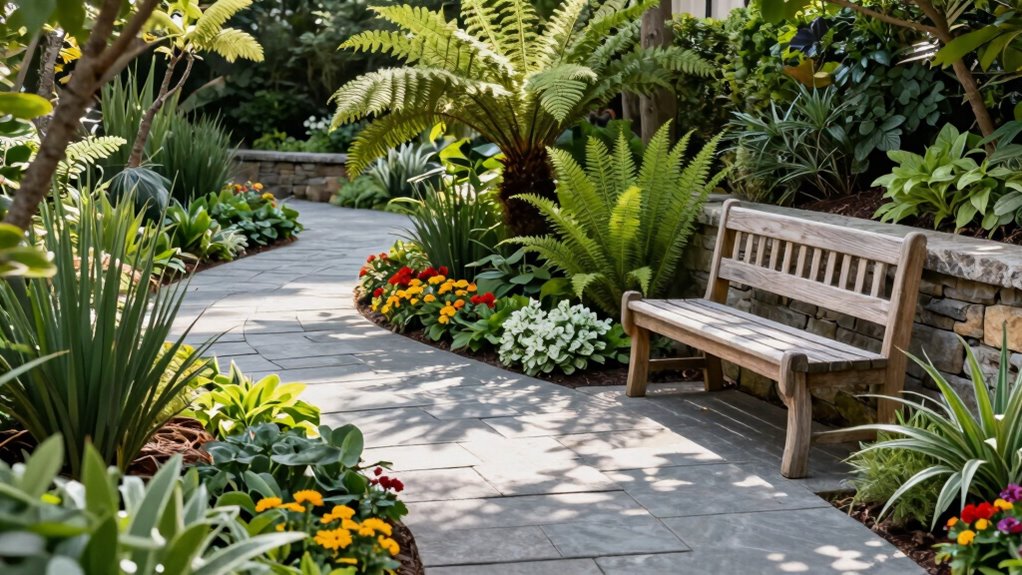

Hardscaping and softscaping work best together because they create a balanced, durable, and attractive outdoor space that meets both function and style. Hardscaping provides structure, stability, and low maintenance, while softscaping adds natural beauty and flexibility. Combining the two allows you to design a space that’s inviting, practical, and easy to care for over time. Keep exploring to discover how the perfect blend of these elements can transform your landscape into a stunning retreat.

Get home appliances delivered free with Prime
- Fast, free delivery on millions of items
- Prime Video, Amazon Music and more included
- Member-only deals all year
Key Takeaways
- Hardscaping provides structure and durability, while softscaping adds natural beauty and vibrancy, creating a balanced outdoor environment.
- Combining both enhances aesthetic appeal and functional spaces, encouraging outdoor activities and relaxation.
- Integrating hard and soft elements reduces long-term maintenance and repair needs.
- Thoughtful pairing ensures seamless design, improving overall landscape harmony and visual interest.
- A balanced team of hardscaping and softscaping reflects personal style and promotes sustainable, manageable landscapes.
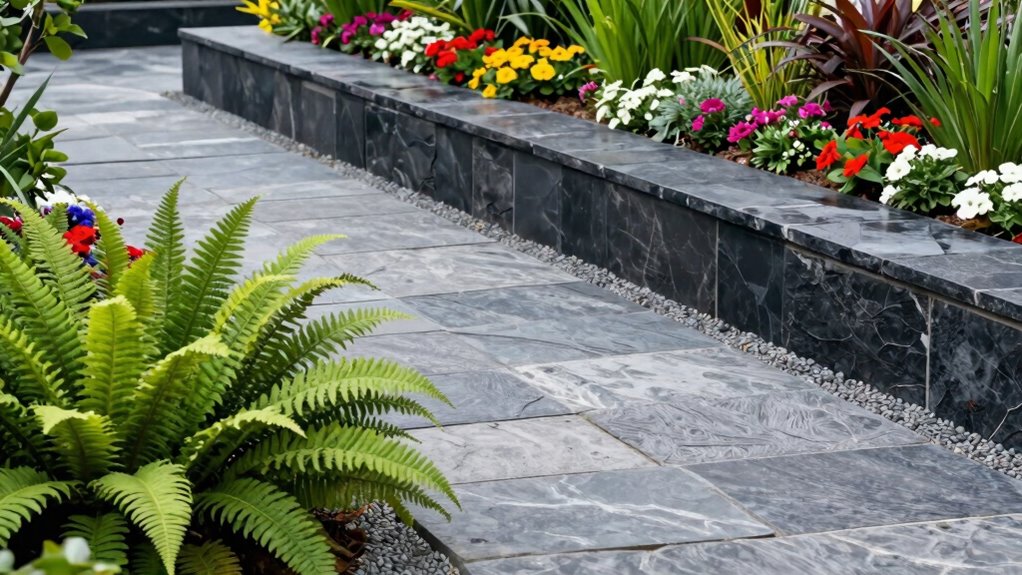
When designing a landscape, understanding the difference between hardscaping and softscaping is essential for creating a balanced and functional outdoor space. Hardscaping involves the non-living elements—like patios, walkways, retaining walls, and other structures—while softscaping focuses on plants, grass, flowers, and other organic features. Both play vital roles in garden design, but they work best when integrated seamlessly. You want your landscape to be both visually appealing and easy to maintain, and combining these elements thoughtfully helps achieve that harmony.
Hardscaping provides structure and durability to your outdoor space. It creates pathways, defines zones, and adds architectural interest, making your garden more functional. For example, a well-placed patio invites outdoor dining and relaxation, while stone walls can support terraced gardens and prevent erosion. These elements require minimal ongoing landscape maintenance, so they help you enjoy your outdoor areas without constant upkeep. When planning, you should consider how these features will complement your softscaping elements, ensuring they don’t overpower or clash with plantings.
Softscaping adds vibrancy and softness to your landscape. Plants, shrubs, flowers, and lawns bring color, texture, and life to the design. They soften the hard edges of structures and create inviting, natural spaces. Proper garden design involves selecting plants that thrive in your climate and soil, which reduces future landscape maintenance. When softscaping works in tandem with hardscaping, it enhances the overall aesthetic, making the space more inviting and cohesive. For instance, planting low-maintenance perennials along hardscaped pathways creates a seamless flow and reduces your gardening workload over time.
Integrating hardscaping and softscaping also impacts your long-term landscape maintenance. Hard features are generally low-maintenance, but their durability depends on proper construction and occasional repairs. Softscaping requires ongoing watering, pruning, and seasonal planting, but choosing native or drought-tolerant plants can reduce effort. Understanding landscape design principles helps you create a harmonious balance that minimizes future work and maximizes visual appeal. Combining both elements thoughtfully means you can enjoy a stunning landscape without feeling overwhelmed by constant work. It’s about striking a balance—hardscaping provides stability and structure, while softscaping adds natural beauty and flexibility.
Ultimately, the key is to design with both aspects in mind from the start. When hardscaping and softscaping work together, your outdoor space becomes more than just attractive; it becomes functional, easy to maintain, and a true reflection of your personal style. By understanding how these elements complement each other, you set the stage for a landscape that’s both beautiful and sustainable, making your garden a welcoming retreat for years to come.
Products Worth Considering

Philips Hue Festavia 130-Foot Indoor/Outdoor Smart String Lights, 500 LEDs

Philips Hue Festavia Globe Outdoor String Lights, 32 Bulbs, 91 ft

Roborock F25 Ultra Steam Wet Dry Vacuum Mop
As an affiliate, we earn on qualifying purchases.
Frequently Asked Questions
How Do Hardscaping and Softscaping Impact Property Value?
Hardscaping and softscaping boost your property’s value by enhancing landscaping aesthetics and overall property enhancement. Well-designed hardscaping adds structure and durability, while softscaping introduces lush greenery and vibrant plants, creating inviting outdoor spaces. Together, they improve curb appeal, making your property more attractive to potential buyers. This combination demonstrates thoughtful landscaping, increasing the perceived value and helping your home stand out in the market.
What Are Common Mistakes When Combining Hardscaping and Softscaping?
Ever wonder what common mistakes to avoid when combining hardscaping and softscaping? You might misplace plants or select materials that clash with your landscape’s style. Be careful with plant placement to guarantee they thrive and don’t overshadow hardscaping features. Also, choose materials that complement your plants and overall design. Neglecting these aspects can lead to a disjointed look, making your yard less functional and attractive.
How Often Should I Maintain Hardscape and Softscape Features?
You should maintain your hardscape and softscape features regularly, with seasonal planning in mind. For softscaping, trim plants, water, and fertilize as needed, typically every few weeks during growing seasons. Hardscape features like patios or walkways need periodic cleaning and repairs, usually annually. Timing adjustments are essential; for example, perform maintenance before winter to prevent damage, and after heavy rains to address any issues caused by weather.
Can Hardscaping and Softscaping Be Eco-Friendly?
Certainly, your landscape can embody eco-friendliness by choosing sustainable materials like recycled stone or permeable pavers for hardscaping. Pair these with native plants in softscape features to support local ecosystems and reduce water usage. This thoughtful combination minimizes environmental impact, promotes biodiversity, and creates a harmonious outdoor space that’s both beautiful and sustainable, aligning your yard with eco-conscious principles without sacrificing style or function.
What Is the Typical Cost Difference Between Hardscaping and Softscaping?
Hardscaping generally costs more upfront due to higher material costs and complex designs, while softscaping tends to be more affordable initially. If you opt for intricate layouts or durable materials like stone or concrete, expect to pay more. Softscaping, which includes plants and soil, usually costs less but may require ongoing maintenance. Your total costs depend on your design choices, material quality, and the scope of your project.
Conclusion
So, next time you’re designing your outdoor space, remember: hardscaping is the backbone that keeps everything standing tall, while softscaping is the lush, colorful personality that keeps it lively. Together, they’re like peanut butter and jelly—individually good, but unstoppable when combined. Skip either, and your yard’s a lonely sandwich. Embrace the perfect team, and watch your garden become the envy of the neighborhood—without even needing a crown or a parade.