
TL;DR
Airengy and Hagag Europe are investing €55 million to develop a 5 GWh compressed air energy storage plant in Romania, using AirBattery technology. Construction is expected to start in 2027, with commercial operation by early 2028.
Airengy and Hagag Europe announced a €55 million investment to develop a 5 GWh compressed air energy storage (CAES) plant in Romania, with commercial operation expected in early 2028. This project marks a significant step in deploying long-duration energy storage technology at scale in Europe, leveraging underground salt caverns and Airengy’s proprietary AirBattery system.
The project will be developed in two phases, with an initial capacity of approximately 200 MWh and an estimated construction cost of €4.5 million. The full plant aims to reach 25 MW of discharge capacity and up to 5 GWh of storage capacity. It will be built in partnership between Airengy and Hagag Europe, each holding a 40% stake, with a third party owning the remaining 20%. Airengy will be responsible for planning, design, construction, and operation.
Construction is projected to start in 2027, with commercial operation anticipated in early 2028, according to Airengy’s VP of Business Development Technologies. The technology involves compressing excess electricity to store in underground salt caverns, then releasing the compressed air to generate electricity via a hydraulic turbine during periods of high demand. The process uses only water and air, with no polluting materials or rare metals, promising low operating costs and decades-long lifespan.
Potential Impact of the Romania CAES Project
This project demonstrates a major commercial milestone for Airengy’s AirBattery technology, which offers a long-duration, environmentally friendly alternative to lithium-ion batteries. The deployment in Romania underscores the growing interest in underground salt caverns for large-scale energy storage in Europe, especially in markets with decarbonized grids and existing salt cavern infrastructure. Success could accelerate adoption of similar systems across the continent, supporting grid stability and renewable energy integration.
compressed air energy storage system
As an affiliate, we earn on qualifying purchases.
As an affiliate, we earn on qualifying purchases.
Europe’s Growing Interest in Long-Duration Storage
Airengy has been developing its AirBattery technology since its pilot in Israel, progressing from a 10 kW system to a 250 kW plant. The Romanian project is its first large-scale commercial deployment. The company has also engaged in projects in Germany and the UK, collaborating with local energy and storage firms. The use of underground salt caverns for CAES is gaining traction in Europe, with several projects exploring similar approaches to support renewable energy expansion and grid reliability.
“The Romanian project is a significant step forward for long-duration energy storage, showcasing the viability of AirBattery technology at scale.”
— an anonymous researcher
underground salt cavern energy storage
As an affiliate, we earn on qualifying purchases.
As an affiliate, we earn on qualifying purchases.
Uncertainties Surrounding Project Timeline and Scale
While the project has a clear development plan, details about the final operational capacity, exact timeline, and potential regulatory or technical challenges remain uncertain. It is not yet confirmed whether the full 5 GWh capacity will be achieved within the planned timeframe or if future phases might alter the scope.
long-duration energy storage batteries
As an affiliate, we earn on qualifying purchases.
As an affiliate, we earn on qualifying purchases.
Next Steps for Project Development and Deployment
Airengy and Hagag Europe are expected to finalize project planning and secure permits in the coming months. Construction is targeted to begin in 2027, with early operational milestones possibly achieved during the subsequent year. Monitoring of project progress and potential expansion plans will be key indicators of its success and influence on the European energy storage landscape.
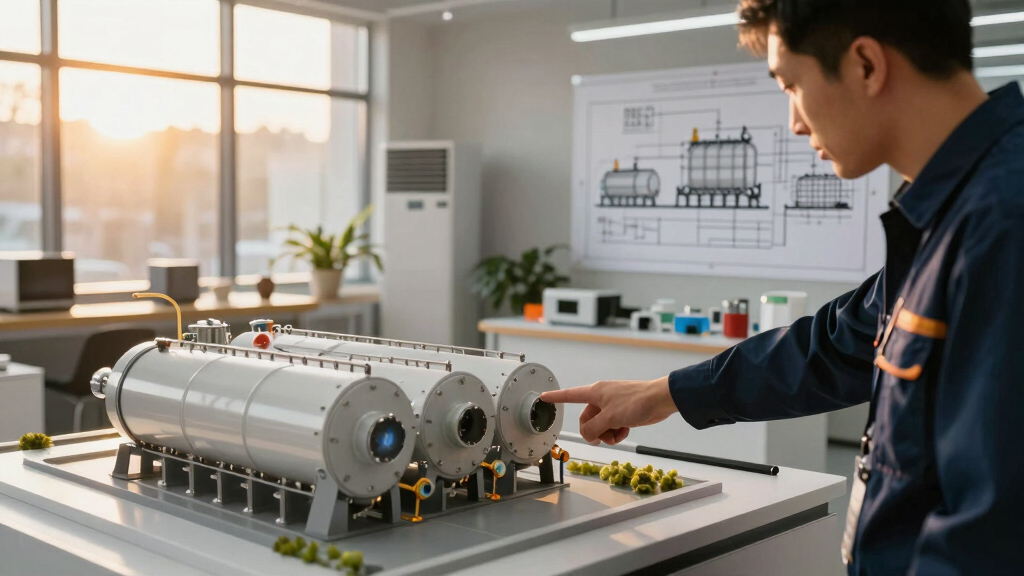
CAES power plant equipment
As an affiliate, we earn on qualifying purchases.
As an affiliate, we earn on qualifying purchases.
Key Questions
What is AirBattery technology?
AirBattery is a long-duration energy storage system that uses compressed air stored in underground salt caverns to generate electricity when needed, using a hydraulic turbine and water. It operates with only air and water, avoiding polluting materials or rare metals.
Why is Romania chosen for this project?
Romania offers favorable market conditions, including existing salt cavern infrastructure, grid connections, and a decarbonized energy grid, making it an ideal location for large-scale CAES deployment.
When is the project expected to be operational?
Construction is expected to start in 2027, with commercial operation anticipated in early 2028.
How does this project compare to other energy storage options?
Compared to lithium-ion batteries, AirBattery offers longer duration storage, lower environmental impact, and potentially lower operating costs, making it suitable for grid stabilization and renewable integration.
What are the potential challenges for this project?
Key uncertainties include permitting, technical integration, and ensuring the full scale of 5 GWh can be achieved within the projected timeline. Further feasibility assessments are likely ongoing.
Source: PV Magazine