To identify indoor comfort problems like a pro, look for signs like drafts, temperature inconsistencies, or fluctuating vent airflow that indicate uneven circulation. Check for condensation, mold, or peeling paint to spot humidity issues, while dry skin or static electricity suggest low humidity. Inspect vents, seals, and obstructions regularly, and use sensors like hygrometers. Recognizing these clues helps you troubleshoot effectively. Keep exploring, and you’ll find even more ways to optimize your home’s comfort.

Get home appliances delivered free — and shop member deals
- Fast, free delivery on millions of items
- Access to Prime Big Deal Days deals on October 6–7
- Prime Video, Amazon Music and more included
Key Takeaways
- Observe temperature variations, drafts, and vent behaviors to identify airflow and temperature imbalances.
- Use hygrometers to monitor humidity levels and detect signs of excess or insufficient moisture.
- Look for visual cues like condensation, mold, or dry patches indicating humidity or airflow issues.
- Check for blockages, leaks, or obstructions in vents and ducts affecting air distribution.
- Recognize patterns such as drafts, fluttering curtains, or static electricity as indicators of comfort problems.
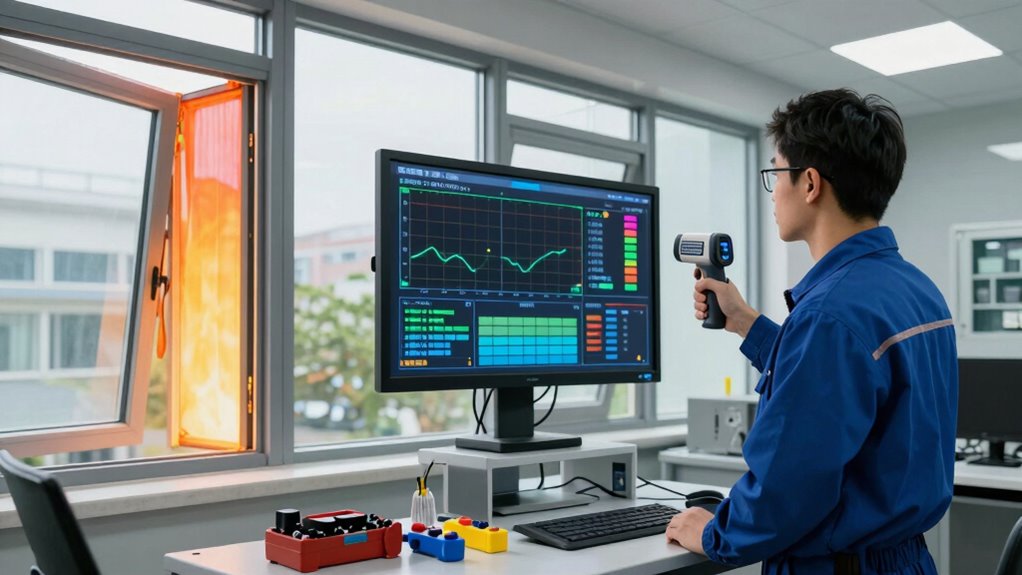
Have you ever wondered why some rooms in your home feel uncomfortable while others are just right? The answer often lies in understanding the subtle signs your living spaces give off. When you start noticing persistent drafts, uneven temperatures, or stuffy air, it’s time to look deeper into the indoor environment. Two key factors to consider are airflow patterns and humidity levels, as they markedly influence comfort.
Airflow patterns are like the circulatory system of your home’s air. If you notice certain areas feel drafty while others are stagnant, you’re experiencing uneven airflow. This imbalance can cause some spots to be too cold or too hot, making the room uncomfortable. You might see curtains fluttering or vents blowing air in unexpected directions, indicating that the airflow isn’t circulating properly. Proper airflow ensures fresh air reaches every corner, and stale air is vented out efficiently. When airflow is disrupted, it can lead to discomfort and even affect your indoor air quality. Additionally, understanding air circulation helps you identify and correct sources of discomfort more effectively. To improve airflow, consider inspecting your vents and fans for blockages or leaks, as these can significantly alter air distribution. Ensuring proper ventilation is also essential in maintaining a comfortable indoor climate.
Uneven airflow causes drafts, stagnant spots, and temperature imbalances, impacting comfort and air quality in your home.
Humidity levels also play a critical role in your comfort. If a room feels clammy or excessively dry, it’s a sign that the humidity isn’t balanced. High humidity makes the air feel heavier and can cause you to feel sticky or sweaty, while low humidity can lead to dry skin, irritated sinuses, and static electricity. You can test humidity levels with a hygrometer or simply observe the environment—mold growth, condensation on windows, or peeling paint point toward high humidity, while cracked wood or dry nasal passages suggest low humidity. Maintaining the right humidity not only improves comfort but also preserves your home’s structure and belongings. Monitoring indoor humidity regularly helps you make timely adjustments with humidifiers or dehumidifiers. Being aware of seasonal changes can also help you anticipate and manage humidity fluctuations more effectively.
Reading indoor comfort problems means paying attention to these signs and understanding what they indicate. For example, if you notice uneven airflow when walking through your home, it could suggest poorly balanced vents or obstructions blocking air circulation. Similarly, if certain rooms feel damp or parched, it’s an indicator to adjust your humidifier or dehumidifier settings. Small changes, like repositioning vents, sealing leaks, or using moisture control devices, can make a notable difference. Recognizing these signs early allows you to troubleshoot and enhance your home’s comfort more effectively. Being proactive by regularly inspecting your indoor environment can prevent minor issues from turning into major discomforts.
digital hygrometer for indoor humidity
As an affiliate, we earn on qualifying purchases.
As an affiliate, we earn on qualifying purchases.
Frequently Asked Questions
What Tools Are Best for Diagnosing Indoor Comfort Issues?
You should use tools like digital thermometers, hygrometers, and airflow meters to diagnose indoor comfort issues. Proper sensor placement is essential; position sensors in representative locations to gather accurate data. Combine these tools with troubleshooting techniques like checking vents, inspecting insulation, and evaluating humidity levels. This approach helps you identify problems quickly and accurately, ensuring you can improve indoor comfort effectively.
How Long Should I Observe Symptoms Before Acting?
You should monitor the symptoms for at least a week to identify consistent patterns. During this period, observe the duration, frequency, and intensity of discomforts. Tracking symptom patterns helps you determine if they’re related to specific conditions or times of day. If the issues persist beyond this monitoring duration or worsen, it’s time to act and consult a professional. Steady observation ensures you make informed decisions for indoor comfort improvements.
Can Outdoor Weather Affect Indoor Comfort Readings?
Outdoor influence and weather impact can definitely sway indoor comfort readings. When the weather changes outside, it subtly alters indoor temperature, humidity, and airflow. You might notice fluctuations in your indoor environment that aren’t solely due to internal factors. To get an accurate picture, consider outdoor conditions and how they might be influencing your indoor climate. Adjusting for these factors helps you better diagnose comfort issues and optimize your indoor space.
Are There Safety Precautions for Testing HVAC Systems?
Yes, there are safety precautions you should follow when testing HVAC systems. Always adhere to safety protocols, such as turning off power before working on electrical components and wearing protective gear. Be aware of potential hazards like refrigerant leaks or sharp tools. Keep your work area clear, and use proper testing equipment. By maintaining hazard awareness, you minimize risks and guarantee safe, effective diagnostics of HVAC systems.
How Do I Prioritize Which Comfort Problem to Fix First?
You should prioritize fixing comfort problems based on the comfort hierarchy and problem severity. First, address issues that cause the most discomfort or health risks, like poor air quality or extreme temperatures. Next, tackle problems that impact energy efficiency or lead to higher utility bills. By focusing on the most severe issues first, you guarantee your indoor environment becomes comfortable and safe quickly, while preventing minor problems from worsening.
As an affiliate, we earn on qualifying purchases.
Conclusion
By learning to read indoor comfort problems like a pro, you can create healthier, more comfortable spaces. Remember, studies show that poor indoor air quality can decrease productivity by up to 15%, highlighting the importance of addressing these issues promptly. With sharp observation and the right tools, you’ll be able to diagnose and fix comfort problems quickly. Take charge of your indoor environment—your comfort and well-being depend on it.
As an affiliate, we earn on qualifying purchases.
As an affiliate, we earn on qualifying purchases.
Fall yard work Picks
leaf blowers
As an affiliate, we earn on qualifying purchases.