
Your HVAC runs longer than it should because of issues like dirty filters, worn parts, or improper sizing that make it work harder. Poor insulation and air leaks also cause your system to run longer by forcing it to compensate for lost conditioned air. Regular maintenance, fixing leaks, and choosing the right-sized unit help prevent overworking. Keep going to discover how these factors and proper care can keep your system efficient and comfortable.

Get home appliances delivered free with Prime
- Fast, free delivery on millions of items
- Prime Video, Amazon Music and more included
- Member-only deals all year
Key Takeaways
- Dirty filters, coils, or vents reduce airflow, causing the system to work harder and run longer.
- Faulty thermostats or worn components can misdetect temperatures, leading to extended operation.
- Incorrect system sizing (undersized or oversized) forces the unit to run longer to achieve set temperatures.
- Poor insulation and air leaks increase system workload by allowing temperature fluctuations.
- Lack of regular maintenance allows issues to develop, decreasing efficiency and increasing run times.

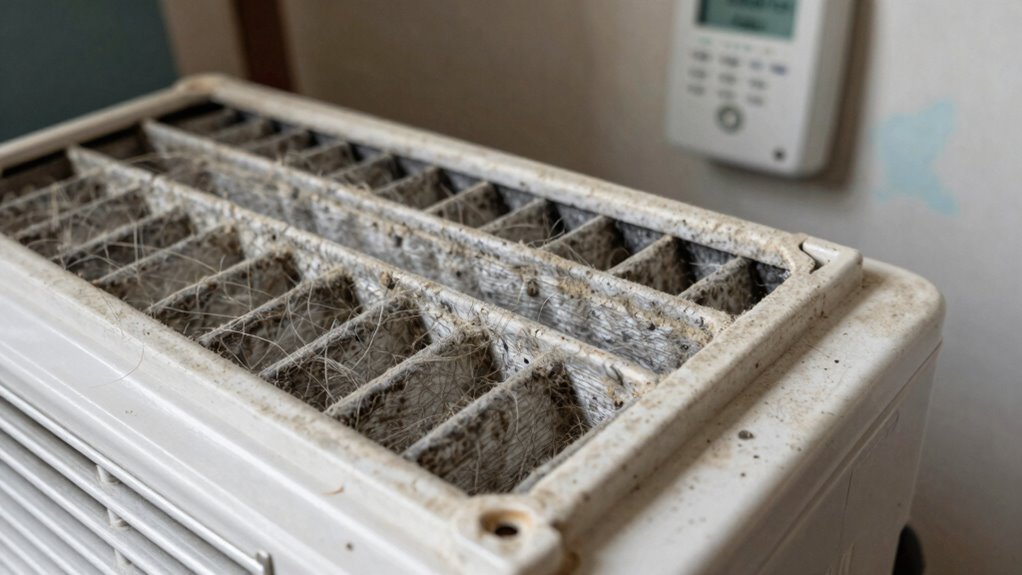
If your HVAC system keeps running longer than it should, there’s often a simple explanation behind it. One common reason is that your system isn’t operating at peak energy efficiency. When your HVAC isn’t running efficiently, it has to work harder and longer to reach the desired temperature, which causes extended run times. Over time, dust, dirt, and debris can accumulate on filters, coils, and vents, reducing airflow and forcing the system to strain. This not only wastes energy but also makes your system run longer than necessary. Regular system maintenance helps keep your HVAC functioning smoothly and efficiently, preventing unnecessary wear and tear.
Another key factor is the condition of your system’s components. Components like the thermostat, compressor, and fan motor need to be in good working order for your system to cycle properly. If any of these parts are faulty or worn out, your HVAC may struggle to reach the set temperature, causing it to run longer in an attempt to compensate. For example, a malfunctioning thermostat may not accurately detect room temperature, leading to continuous operation as it tries to adjust. Keeping up with routine system maintenance ensures these parts stay in top shape, reducing the chances of breakdowns and excessive run times. Additionally, understanding the importance of system efficiency can help you identify issues early before they lead to costly repairs.
Faulty or worn-out components like thermostats, compressors, or fan motors cause longer run times; regular maintenance keeps them in top shape.
Furthermore, improper system sizing can make your HVAC run longer than necessary. If your unit is too small, it will continuously run trying to cool or heat your space. Conversely, if it’s too large, it will cycle on and off frequently, which isn’t ideal either. An oversized system tends to short cycle, but it can also run longer during each cycle, consuming more energy. Confirming your system is properly sized for your space is vital for maximum energy efficiency and comfort. Proper system sizing can help prevent these issues from occurring in the first place.
Poor insulation and air leaks also cause your HVAC to work overtime. If your home isn’t well-insulated, warm or cold air escapes, forcing your system to run longer to maintain a comfortable temperature. Sealing leaks and insulating properly reduce this extra workload, allowing your system to operate more efficiently. In addition, home insulation plays a significant role in maintaining consistent indoor temperatures and reducing energy consumption.
In short, if your HVAC runs longer than it should, it’s often a sign that you need to improve system maintenance, check for component issues, or address home insulation. Regular upkeep not only enhances energy efficiency but also extends the lifespan of your system. When your HVAC is well-maintained, it won’t have to work harder than necessary, saving you money on energy bills and preventing premature repairs. It’s a simple fix that can make a big difference in keeping your home comfortable and your system running smoothly.
As an affiliate, we earn on qualifying purchases.
Frequently Asked Questions
How Can I Tell if My HVAC System Is Oversized?
You can tell if your HVAC system is oversized by checking for short cycling, uneven cooling, or excessive humidity. Poor duct sizing and low insulation quality also contribute. If your system turns on and off quickly or struggles to maintain consistent temperatures, it’s likely too large. An expert can evaluate duct dimensions and insulation to confirm whether your unit matches your home’s needs, preventing inefficiency and comfort issues.
Does Changing the Filter Frequently Improve Efficiency?
Think of your HVAC system like a well-tuned orchestra—air filter maintenance is key. Changing your filter frequently definitely improves efficiency by ensuring good airflow and preventing dirt buildup. When airflow improves, your system doesn’t have to work as hard, saving energy and reducing wear. Regular filter changes keep your system singing smoothly, just like a conductor guiding a harmonious performance, leading to a longer-lasting, more efficient HVAC.
Can Thermostat Placement Affect HVAC Runtime?
Yes, thermostat placement can affect HVAC efficiency and runtime. If your thermostat is near heat sources like windows, appliances, or direct sunlight, it may inaccurately detect temperature, causing your system to run longer. Proper placement in a central, shaded spot ensures more accurate readings, helping your HVAC system operate efficiently and avoid unnecessary cycling. Adjusting thermostat location can greatly improve comfort and reduce energy costs.
How Often Should I Schedule Professional HVAC Maintenance?
You should schedule professional HVAC maintenance at least once a year, ideally twice, to keep your system running smoothly. During visits, technicians check your air filter, which affects airflow and efficiency, and assess thermostat placement to guarantee ideal temperature control. Regular tune-ups prevent prolonged runtimes, reduce energy bills, and prolong system lifespan. Don’t delay—consistent maintenance keeps your comfort constant and your system’s performance perfect.
Are There Energy-Efficient Upgrades for Older Systems?
Yes, you can boost your system’s efficiency with energy-saving thermostats and insulation upgrades. Installing a smart thermostat helps you control temperatures more precisely and reduces energy waste. Additionally, upgrading insulation keeps indoor temperatures stable, so your HVAC works less to maintain comfort. These improvements save energy, lower bills, and extend your system’s lifespan, making them smart choices for older systems needing an efficiency boost.
As an affiliate, we earn on qualifying purchases.
Conclusion
So, next time your HVAC seems to be running longer than usual, remember it’s often a sign of underlying issues like poor insulation or dirty filters. Addressing these problems promptly not only saves energy but also extends your system’s lifespan. While some might think ignoring minor glitches is fine, investing in maintenance now prevents costly repairs later. Don’t wait for discomfort—take action early, and enjoy a more efficient, reliable climate control in your home.
As an affiliate, we earn on qualifying purchases.
home insulation and air sealing kit
As an affiliate, we earn on qualifying purchases.
As an affiliate, we earn on qualifying purchases.
NFL season / tailgating Picks
team gear
As an affiliate, we earn on qualifying purchases.