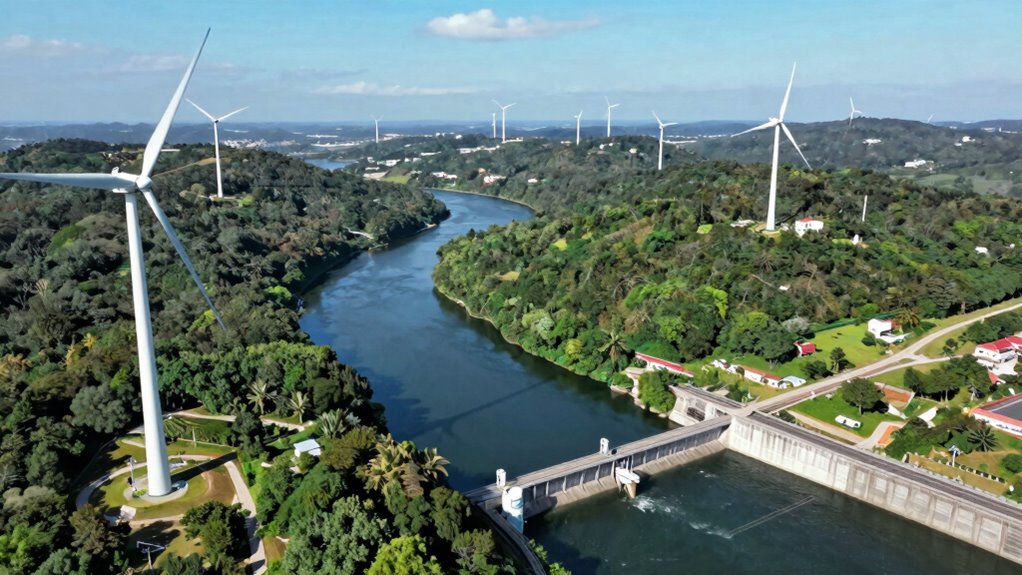

Planning water, power, and protection systems together helps you guarantee their seamless operation and resilience. These systems are deeply interconnected, so coordinating them reduces vulnerabilities, prevents shortages, and boosts efficiency. A holistic approach allows you to protect against natural disasters, cyber threats, and operational failures, saving costs and minimizing downtime. By treating these systems as parts of a unified network, you create a stronger, more adaptable infrastructure—something worth exploring further.
Open a free Amazon Business account
Business pricing, bulk buying and tax-exempt orders.
As an affiliate, we earn on qualifying purchases.
Key Takeaways
- Integrated planning ensures systems work cohesively, reducing vulnerabilities and enhancing overall infrastructure resilience.
- Coordinating water, power, and protection optimizes resource use and minimizes waste.
- Unified strategies improve response to natural disasters, cyber threats, and operational failures.
- System integration promotes sustainability by aligning renewable resources and reducing environmental impact.
- Collaborative planning fosters long-term stability, efficiency, and community resilience against modern challenges.
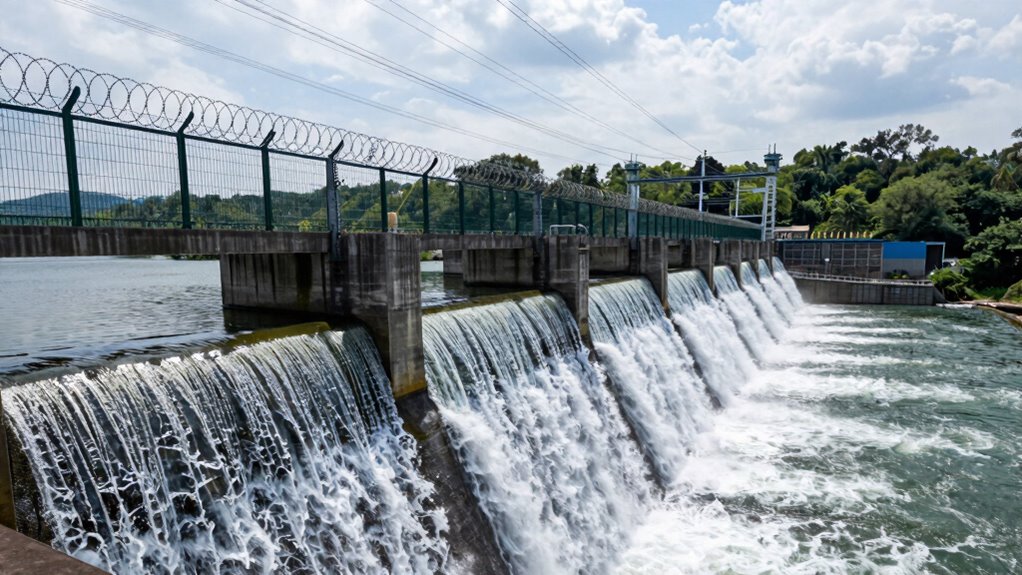
Integrating water, power, and protection planning is vital because these systems are deeply interconnected and rely on each other to function effectively. When you approach these elements as separate entities, you risk vulnerabilities that could compromise entire infrastructures. Instead, considering hydrological integration ensures that water management aligns seamlessly with energy needs, reducing waste and optimizing resource use. By coordinating water flow with energy generation, you create an energy synergy that boosts efficiency, minimizes environmental impact, and guarantees a reliable supply. For example, hydropower facilities depend on consistent water flow, which in turn is influenced by upstream water management strategies. If you neglect this integration, you might face shortages or surpluses that threaten both energy production and water availability.
Integrating water, power, and protection systems enhances efficiency, resilience, and sustainability across interconnected infrastructures.
Protection planning is equally vital, as it safeguards these interconnected systems from natural disasters, cyber threats, or operational failures. When you plan for protection holistically, you can develop strategies that address vulnerabilities across water, power, and security measures simultaneously. This integrated approach not only enhances resilience but also saves costs, as preventative measures can be implemented proactively rather than reactively. For instance, during extreme weather events, a well-coordinated plan helps prevent flooding, protect power grids, and maintain water quality, all while minimizing downtime and damage.
You should also recognize that the synergy between water and energy isn’t just about efficiency; it’s about sustainability. When you align water and power planning, you reduce environmental footprints and promote the sustainable use of resources. This can involve leveraging renewable energy sources like solar and wind alongside hydrological systems, creating a resilient network that adapts to changing conditions. Smart protection measures, such as real-time monitoring and automated responses, further enhance this sustainability by enabling quick responses to threats, reducing waste, and maintaining system integrity. Incorporating system integration into planning processes ensures that all components work cohesively for optimal performance. Additionally, effective risk management strategies are essential to address unforeseen challenges and ensure long-term system stability.
Ultimately, you’ll find that integrated planning fosters a more robust and adaptable infrastructure. It encourages collaboration between different sectors, aligning goals for water conservation, energy efficiency, and safety. When you treat water, power, and protection as parts of a unified system, you’re better positioned to anticipate challenges, optimize resources, and ensure long-term stability. This holistic approach isn’t just smart—it’s indispensable for building resilient communities that can withstand the complexities of modern demands. Recognizing the importance of interconnected systems helps you develop comprehensive strategies that address multiple vulnerabilities simultaneously.
integrated water and power management systems
As an affiliate, we earn on qualifying purchases.
As an affiliate, we earn on qualifying purchases.
Frequently Asked Questions
How Do Water, Power, and Protection Systems Interact During Emergencies?
During emergencies, water, power, and protection systems coordinate closely to guarantee safety and system resilience. You need effective emergency coordination to keep these systems functioning together, preventing failures that could escalate crises. When one system faces disruption, others must adapt quickly; for example, backup power supports water pumps and security measures. By planning these systems together, you enhance overall resilience, enabling swift responses and maintaining essential services under stress.
What Are the Cost Implications of Integrated Planning?
Opting for integrated planning gently guides you toward better cost efficiency and resource allocation. While initial investments might seem higher, you save long-term by reducing redundancies and avoiding costly system overlaps. This cohesive approach minimizes unforeseen expenses during emergencies and streamlines maintenance. Overall, it fosters smarter resource use, balancing expenses with resilience, ensuring your infrastructure remains robust without overspending, and maximizing the value of every dollar invested.
How Can Planning Prevent System Failures?
You can prevent system failures by integrating water management and power stability into your planning. When you coordinate these elements, you identify vulnerabilities and address them proactively. Proper planning guarantees reliable water supply and consistent power, reducing the risk of outages or failures. By aligning water, power, and protection strategies, you build a resilient system that responds effectively to challenges, safeguarding operations and maintaining continuous service.
Who Are the Key Stakeholders Involved in Joint Planning?
Did you know that effective stakeholder collaboration boosts project success rates by over 30%? The key stakeholders involved in joint planning include government agencies, utility providers, emergency services, and community groups. By focusing on planning coordination, these stakeholders work together to align their goals, share resources, and develop integrated strategies. This collaboration guarantees water, power, and protection systems function seamlessly, reducing failures and enhancing resilience across the entire infrastructure.
What Are Examples of Successful Integrated Infrastructure Projects?
You can look at projects like the Toronto Green Street Program, which integrates water management, power, and protection measures to boost urban resilience. Another example is Singapore’s Marina Barrage, combining water storage with flood protection and sustainability strategies. These projects showcase how integrated planning enhances city resilience, supports sustainability, and optimizes resource use. By adopting such approaches, you guarantee resilient, sustainable urban environments capable of withstanding climate change impacts.
home security and disaster protection systems
As an affiliate, we earn on qualifying purchases.
As an affiliate, we earn on qualifying purchases.
Conclusion
By planning water, power, and protection together, you guarantee a resilient and efficient system—like a well-coordinated orchestra, where every instrument supports the others. Don’t wait until a catastrophe strikes; think of it as preparing your own Ark before the flood. When these elements work in harmony, you’re better equipped to face future challenges with confidence. Remember, a proactive approach today can save you from a medieval mess tomorrow.
smart water leak detection devices
As an affiliate, we earn on qualifying purchases.
As an affiliate, we earn on qualifying purchases.
As an affiliate, we earn on qualifying purchases.
Flea & tick season Picks
flea and tick prevention
As an affiliate, we earn on qualifying purchases.