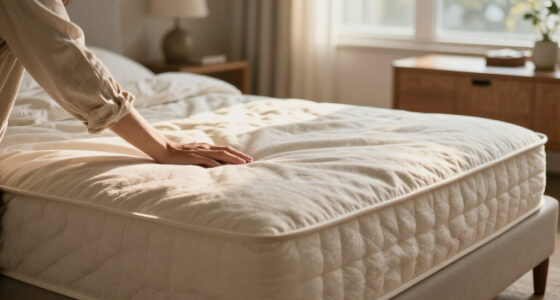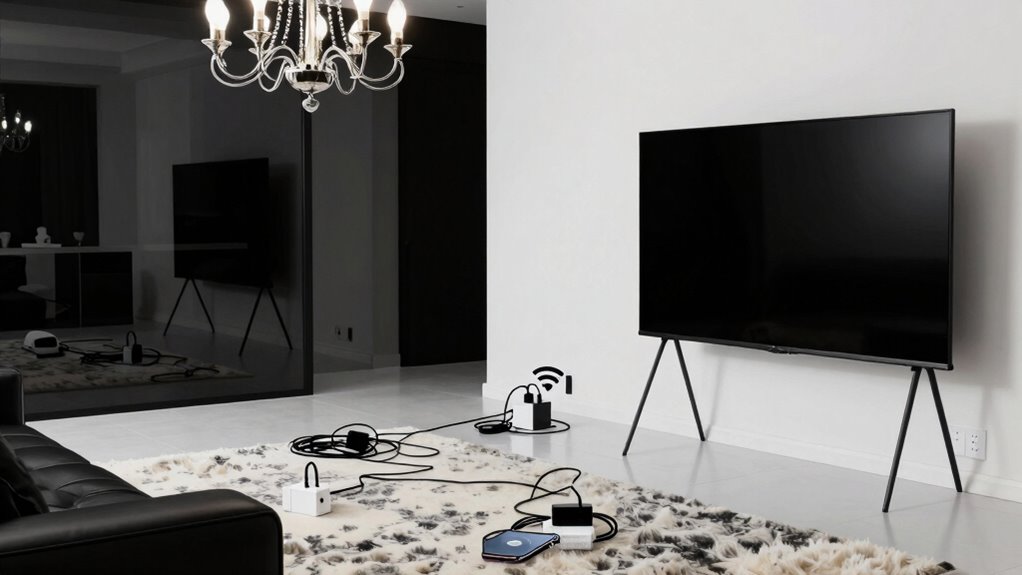

Choosing style over function may save you money initially, but it often leads to hidden costs that add up over time. Trendy furniture is usually made with cheaper materials, which wear out quickly and require frequent replacements. Unpractical designs can also cause daily discomfort and higher maintenance. Plus, sacrificing sustainability and adaptability increases waste and future expenses. If you keep these factors in mind, you’ll discover ways to make smarter choices that benefit your home long-term.

Get home appliances delivered free with Prime
- Fast, free delivery on millions of items
- Prime Video, Amazon Music and more included
- Member-only deals all year
Key Takeaways
- Trendy furniture often uses cheaper materials, leading to frequent repairs and replacements that increase long-term costs.
- Stylish designs may be impractical for daily use, resulting in discomfort and higher maintenance expenses.
- Prioritizing style over sustainability can generate more waste and environmental harm over time.
- Trendy pieces often lack adaptability, requiring future replacements as needs and spaces evolve.
- Focusing on aesthetics can diminish home functionality, reducing overall well-being and long-term value.
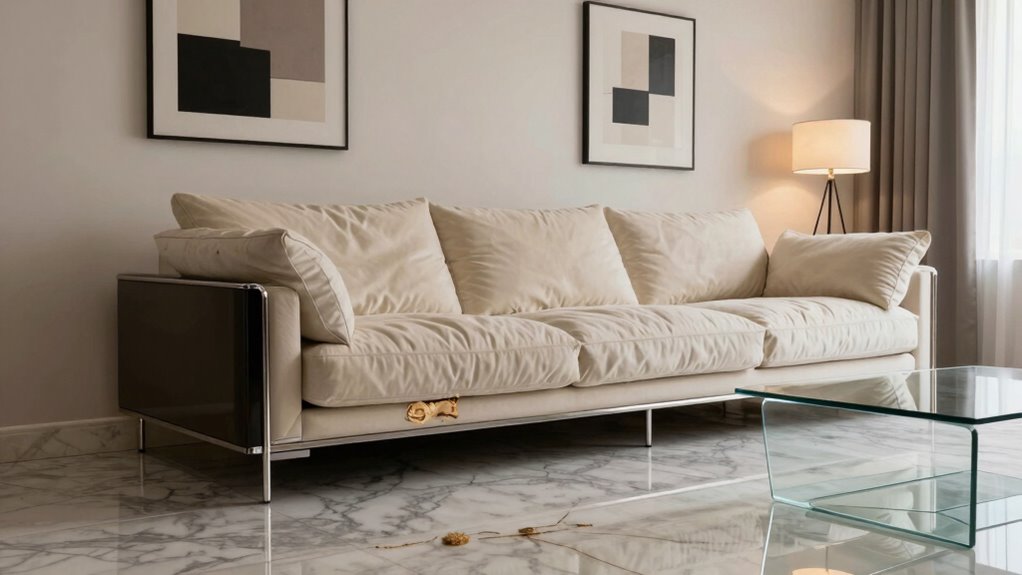
When you prioritize style over function in your home, you might be tempted by eye-catching designs and trendy pieces, but the hidden costs can quickly add up. One major issue is furniture durability. Stylish furniture often sacrifices quality materials for aesthetics, meaning it may not stand the test of time. You could find yourself replacing pieces sooner than expected, which ends up costing more in the long run. A sleek, fashionable sofa might look perfect now, but if it’s made with cheaper frames or fabrics, it could wear out or stain easily. Over time, you’ll need to invest in repairs or replacements, eroding any initial savings or appeal you sought. Additionally, choosing style over function can lead to impractical layouts or furniture that doesn’t support your daily routines. When furniture isn’t built with durability or comfort in mind, you might find yourself replacing items that don’t hold up under regular use. For instance, a chic dining table that’s too fragile for everyday meals will soon need repairs or replacement, adding to your expenses. You might also find that trendy designs don’t accommodate your lifestyle—like a fashionable chair that’s uncomfortable for long periods or a decorative piece that’s difficult to clean or move. Moreover, prioritizing aesthetic appeal over sustainable design can contribute to environmental impact, as poorly made furniture often results in more waste and resource consumption. Choosing style over function can also lead to furniture that doesn’t adapt well to changing needs or spaces. Over time, these issues compound, especially as you ignore the importance of air quality in your home, which can affect your health and well-being. What begins as an investment in style can turn into a cycle of constant replacements and repairs. The initial allure of trendy, eye-catching decor can fade when you realize that practical, durable options would have saved you money and effort. It’s important to consider the long-term value of your furniture choices to avoid unnecessary expenses. Instead of enduring the ongoing costs of maintaining fragile or poorly built furniture, it’s smarter to weigh function and durability alongside style. Doing so ensures your home remains both beautiful and practical, without draining your budget or causing frustration down the line.
As an affiliate, we earn on qualifying purchases.
Frequently Asked Questions
How Can I Balance Style and Functionality Effectively?
To balance style and functionality, prioritize furniture and decor that serve a purpose while maintaining aesthetic appeal. Limit decorative clutter to prevent aesthetic distractions, keeping your space tidy and purposeful. Choose versatile pieces that combine beauty with practicality, and regularly assess your space to remove unnecessary items. This approach guarantees your home remains stylish yet functional, reducing hidden costs and creating a harmonious environment that meets your needs without sacrificing visual appeal.
What Are Common Signs of Sacrificing Function for Style?
You might notice decorative clutter taking over surfaces, which creates an aesthetic distraction and hampers daily use. Sacrificing function often leads to furniture that’s hard to clean, limited storage, or fragile decor that quickly breaks. If your space feels more like a showcase than a practical environment, you’re likely prioritizing style over function. Recognizing these signs helps you strike a better balance, ensuring your home remains both beautiful and livable.
Are There Affordable Options That Combine Style and Practicality?
Yes, you can find budget-friendly options that blend style and practicality. Look for furniture with design versatility, such as modular pieces or multi-functional items, which offer both aesthetic appeal and utility. Shopping during sales or at stores that focus on affordable design also helps. By prioritizing versatile styles, you guarantee your space remains stylish without sacrificing function, all while staying within your budget.
How Does Choosing Style Impact Long-Term Home Maintenance?
Choosing style over function is like planting a delicate flower in a harsh garden; it struggles to thrive long-term. While aesthetic appeal and visual harmony draw you in, they often mask maintenance challenges that grow over time. You might enjoy instant beauty, but overlooking practical durability can lead to costly repairs. Prioritizing durable, functional choices now ensures your home remains beautiful and manageable for years to come.
What Are Expert Tips for Prioritizing Function Without Sacrificing Design?
To prioritize function without sacrificing design, choose ergonomic furniture that supports comfort and productivity. Opt for durable materials that withstand daily wear, ensuring longevity without compromising style. Balance aesthetics with practicality by selecting versatile pieces that blend seamlessly into your space. Focus on layout and storage solutions that enhance usability, and don’t be afraid to mix textures and colors. This approach lets you create a beautiful, functional home that lasts.
practical dining table for everyday use
As an affiliate, we earn on qualifying purchases.
As an affiliate, we earn on qualifying purchases.
Conclusion
Ultimately, prioritizing style over function might seem like a win, but it can backfire in the long run. You could find yourself stuck with furniture that looks great but isn’t practical, or paying more for repairs and replacements. Remember, don’t put all your eggs in one basket—balance form and function to avoid biting off more than you can chew. When you strike that balance, your home will truly shine without costing you the earth.
eco-friendly sustainable furniture
As an affiliate, we earn on qualifying purchases.
As an affiliate, we earn on qualifying purchases.
As an affiliate, we earn on qualifying purchases.
Fall Picks
fall essentials
As an affiliate, we earn on qualifying purchases.