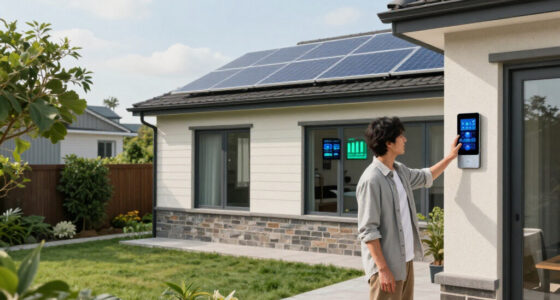
When remodeling for future maintenance, choose durable, eco-friendly materials like bamboo flooring and recycled fixtures to reduce upkeep. Opt for easy-to-access plumbing and electrical systems, and select finishes that resist wear and stains. Incorporate smart technology for early issue detection and simplified repairs. Planning with maintenance in mind saves time and money long-term while keeping your home attractive. If you want to learn more about designing a low-maintenance space, keep exploring practical tips and ideas.

Get home appliances delivered free with Prime
- Fast, free delivery on millions of items
- Prime Video, Amazon Music and more included
- Member-only deals all year
Key Takeaways
- Choose durable, low-maintenance materials like recycled stone, bamboo flooring, and high-quality paints to reduce future repairs.
- Design accessible plumbing and electrical systems for easier future repairs and upgrades.
- Incorporate smart home technology for remote monitoring and early issue detection.
- Opt for fixtures and appliances that are simple to service, replace, or upgrade over time.
- Prioritize eco-friendly, sustainable options that require less ongoing maintenance and environmental impact.

Remodeling your home isn’t just about updating aesthetics; it’s about planning for the future. When you think ahead about maintenance, you save yourself time, money, and frustration down the road. One smart way to do this is by choosing cost-effective upgrades that balance quality with affordability. These upgrades might include modern appliances that are energy-efficient or fixtures designed for longevity, helping you cut ongoing costs while enhancing your home’s functionality. Incorporating sustainable materials into your renovation also plays an essential role. Not only do sustainable choices reduce your environmental impact, but they often require less maintenance over time, making them a practical investment.
Plan ahead with durable, eco-friendly upgrades to save time, money, and effort on future home maintenance.
When selecting materials, consider options like bamboo flooring or recycled metal fixtures. These materials tend to withstand wear and tear better than conventional alternatives, meaning you’ll spend less on repairs or replacements later. For example, choosing durable countertops made from quarried or recycled stone can resist scratches and stains, maintaining their appearance longer and reducing the need for frequent upkeep. Sustainability and cost effectiveness go hand in hand when you prioritize materials that are both eco-friendly and built to last. This approach ensures your home remains attractive and functional without the constant worry of replacing worn-out elements.
Thinking about future maintenance also involves designing spaces with ease of access in mind. For instance, when planning your kitchen or bathroom remodel, you might install appliances and fixtures that are straightforward to service or replace. Incorporate features like accessible plumbing and electrical systems, so repairs don’t become complicated or costly. Additionally, choosing finishes and paints with high durability minimizes the need for frequent touch-ups or repainting, saving you money and effort over time. The key is to select options that require minimal maintenance but still look great, helping you keep your home in top shape without excessive work. Incorporating low-maintenance materials can significantly reduce the time and effort needed for upkeep. Moreover, staying updated on home technology innovations can further simplify ongoing maintenance tasks by enabling remote monitoring and diagnostics. Being aware of sustainable building practices can also guide you toward choices that enhance your home’s longevity and environmental compatibility.
When you plan your remodel with these considerations, you’re not just creating a beautiful space—you’re investing in a home that’s easier to maintain and more sustainable over the long haul. This forward-thinking approach ensures that your renovation remains a valuable, low-maintenance asset for years to come.
As an affiliate, we earn on qualifying purchases.
Frequently Asked Questions
How Do I Choose Durable Materials for Long-Term Maintenance?
To choose durable materials for long-term maintenance, focus on material selection and durability testing. Opt for materials known for their resilience, like composite or treated wood, and check product specifications for weather resistance and wear. Conduct durability testing or review independent test results to verify they withstand your environment. This approach helps you select materials that require less upkeep, saving you time and money down the line.
What Are Common Future Maintenance Issues in Home Remodeling?
You might face future maintenance issues like declining energy efficiency, which can increase utility costs, and loss of aesthetic appeal, making your home look worn over time. Regularly inspecting and updating insulation or sealing gaps can preserve energy savings. Choosing durable materials that resist wear helps sustain your home’s look and function. Staying proactive with maintenance ensures your remodel remains attractive and energy-efficient, reducing costly repairs down the line.
How Can I Plan for Unexpected Repair Costs?
Did you know that unexpected repair costs can account for up to 25% of home renovation budgets? To plan for this, you should set aside a contingency fund of at least 10-15%. Focus on careful budget planning and choose a reliable contractor who offers clear warranties and transparent estimates. This way, you’re prepared for surprises, saving you from stress and financial strain later on.
What Design Features Simplify Ongoing Cleaning and Upkeep?
Choose design features like smooth, flat surfaces and durable materials that make ongoing cleaning easier. Incorporate decorative accents that are simple to wipe or dust, avoiding intricate details that trap dirt. Opt for neutral or easy-to-maintain color schemes to reduce frequent repainting. With these choices, you’ll find cleaning less time-consuming and maintenance more manageable, keeping your space looking fresh while minimizing future upkeep efforts.
How Often Should I Schedule Maintenance Inspections Post-Remodel?
You should schedule maintenance inspections every 6 to 12 months after your remodel. Regular checks help guarantee your smart technology functions smoothly and energy efficiency measures stay effective. During inspections, you can identify small issues early before they become costly repairs. Staying proactive keeps your home running efficiently, extends the lifespan of appliances and systems, and maintains your investment’s value over time. Consistent maintenance makes future upkeep more manageable and less disruptive.
As an affiliate, we earn on qualifying purchases.
Conclusion
By planning your remodel with future maintenance in mind, you can save time and money down the road. Choosing durable materials and simple designs makes upkeep easier and more cost-effective. Did you know that homeowners who prioritize low-maintenance features report 30% less spent on repairs annually? Keep this in mind to guarantee your renovation stays beautiful and functional for years to come. Smart planning today means less hassle tomorrow, so think ahead when remodeling!
As an affiliate, we earn on qualifying purchases.
As an affiliate, we earn on qualifying purchases.
Halloween Picks
halloween
As an affiliate, we earn on qualifying purchases.