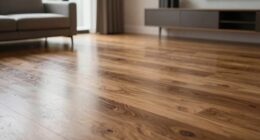
Using reclaimed wood in your home renovation is a smart, eco-friendly choice that adds warmth, character, and durability to your space. It supports sustainability by repurposing old materials and reduces environmental impact. Plus, the natural imperfections and aged patina create a unique, rustic charm fitting various styles. Reclaimed wood is versatile, durable, and ages beautifully over time. To discover how to incorporate this material seamlessly into your projects, keep exploring the options available.
Listen free for 30 days with Audible
Thousands of audiobooks and originals — cancel anytime.
As an affiliate, we earn on qualifying purchases.
Key Takeaways
- Reclaimed wood supports sustainability by reducing demand for new timber and promoting eco-friendly sourcing.
- Its unique aged appearance adds rustic charm and character to various home renovation styles.
- Versatile for use in accent walls, flooring, furniture, and decorative features, enhancing aesthetic appeal.
- Naturally seasoned and aged, reclaimed wood offers increased durability and develops a deep patina over time.
- Sourced ethically from recycled materials, it promotes environmentally responsible practices in home projects.

Reclaimed wood has become a popular choice for home renovations, offering a warm, rustic look while promoting sustainability. When you choose reclaimed wood, you’re making a conscious decision to support sustainable sourcing, which reduces the demand for newly cut timber and minimizes environmental impact. This type of wood often comes from old barns, factories, or shipping pallets, giving each piece a unique history that adds character to your home. By opting for reclaimed materials, you’re not only enhancing your space’s aesthetic appeal but also contributing to eco-friendly practices that help preserve forests and reduce waste.
Choosing reclaimed wood supports sustainability, adds character, and reduces environmental impact in your home projects.
One of the biggest advantages of using reclaimed wood is its design versatility. You can incorporate it into various elements within your home, from accent walls and flooring to furniture and decorative features. Its natural imperfections and aged patina lend a distinctive charm that’s difficult to replicate with new materials. Whether your style leans toward modern minimalism, farmhouse charm, or eclectic décor, reclaimed wood can seamlessly fit into your vision. Its rich textures and warm tones bring depth and personality to any room, making it a versatile choice for diverse design preferences.
Additionally, reclaimed wood offers durability that’s hard to match with fresh timber. Since it has already been seasoned and exposed to the elements over time, it tends to be more stable and less prone to warping or shrinking. This resilience makes it especially suitable for high-traffic areas or furniture pieces that will see regular use. You might find that reclaimed wood ages beautifully, developing a deeper patina with time, which enhances its rustic appeal and adds to the overall warmth of your home.
Furthermore, sourcing reclaimed wood often involves working with suppliers committed to sustainable practices. Many of these sources prioritize recycling and repurposing old wood, ensuring you’re supporting environmentally responsible initiatives. This focus on ethical sourcing aligns with your desire to create a home that’s not only beautiful but also environmentally conscious. When selecting reclaimed wood, it’s helpful to consider its color accuracy and how it complements your overall design scheme to create a cohesive aesthetic.
reclaimed wood accent wall panels
As an affiliate, we earn on qualifying purchases.
As an affiliate, we earn on qualifying purchases.
Frequently Asked Questions
How Do I Identify Quality Reclaimed Wood?
To identify quality reclaimed wood, look for signs of sustainable sourcing and historical authenticity. Check for consistent grain patterns, minimal warping, and secure nails or markings indicating its age. Confirm the wood has been properly dried and treated to prevent pests. Authentic reclaimed wood often shows unique character, like nail holes or patina, reflecting its history. Trust reputable suppliers who provide documentation on sourcing and treatment for the best results.
What Are the Safety Considerations for Reclaimed Wood?
You should be aware of fire hazards and chemical treatments when working with reclaimed wood. Make certain the wood is properly treated to reduce fire risks, and check for any chemical residues from previous use. Always have your reclaimed wood inspected for potential toxins, especially if it’s old or from unknown sources. Use fire-resistant finishes and handle the wood carefully to keep your home safe.
Can Reclaimed Wood Be Used Outdoors Effectively?
You can definitely use reclaimed wood outdoors, and it’s a sustainable choice that reduces waste. Notably, reclaimed wood offers good weather resistance when properly treated, making it suitable for decks and furniture. However, you’ll need to consider maintenance requirements, such as sealing and periodic treatments, to prevent decay and damage from moisture and sun exposure. With proper care, reclaimed wood can beautifully withstand outdoor elements and last for years.
How Does Reclaimed Wood Affect Home Insurance Premiums?
Using reclaimed wood can sometimes lower your home insurance premiums through potential insurance discounts, as it’s seen as an eco-friendly and sustainable choice. However, you should be aware of claim considerations, since insurers may scrutinize reclaimed wood’s condition and safety. Make sure to inform your provider about your use of reclaimed wood, so you can maximize discounts and understand any special requirements or coverage implications.
Are There Any Legal Restrictions on Using Reclaimed Wood?
Hold your horses, this isn’t the Wild West! There are legal restrictions on using reclaimed wood, mainly related to building codes and sourcing regulations. You need to verify it’s properly inspected and meets safety standards, especially for fire resistance and structural integrity. Local building codes might restrict certain types of reclaimed wood, so always check with your authorities before sourcing. Staying compliant keeps your project safe and legal.
As an affiliate, we earn on qualifying purchases.
Conclusion
Incorporating reclaimed wood into your home is like giving new life to a former chapter—each piece carries history and character. I once saw a homeowner turn weathered barn wood into a stunning feature wall, transforming their space with stories etched in every knot. Just as that wood held memories, your renovation can weave sustainability and charm into your home’s story. Embrace reclaimed wood, and you’ll create a space that’s uniquely yours, rich with history and heart.
As an affiliate, we earn on qualifying purchases.
reclaimed wood decorative features
As an affiliate, we earn on qualifying purchases.
As an affiliate, we earn on qualifying purchases.
NFL season / tailgating Picks
team gear
As an affiliate, we earn on qualifying purchases.