
TL;DR
Listen free for 30 days with Audible
Thousands of audiobooks and originals — cancel anytime.
Start your free trialAs an affiliate, we earn on qualifying purchases.
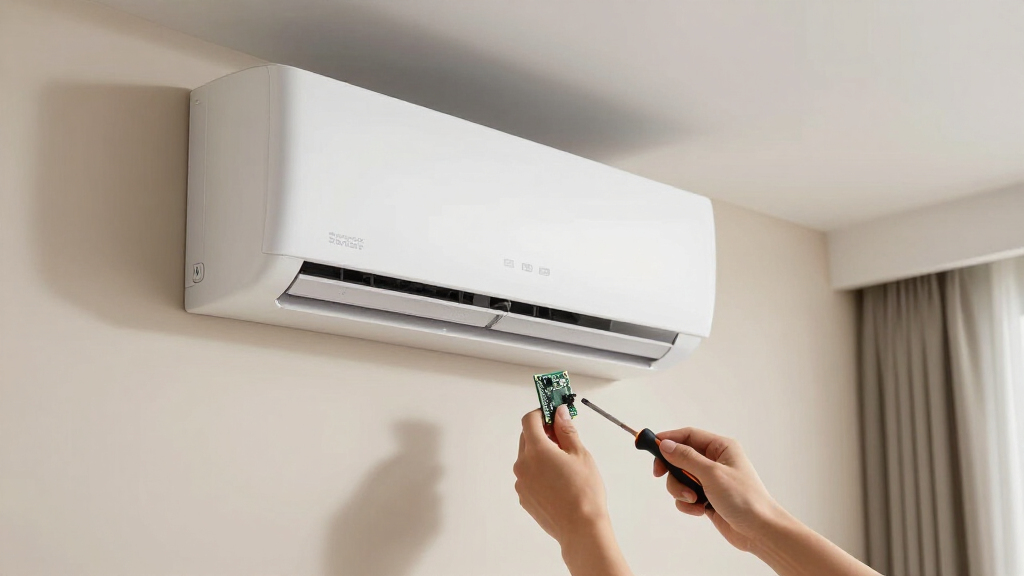
A homeowner shares methods to retrofit a basic, non-smart air conditioner with smart features without risking their security deposit. The article covers confirmed techniques, potential risks, and next steps.
Why This DIY Approach Matters for Renters and Homeowners
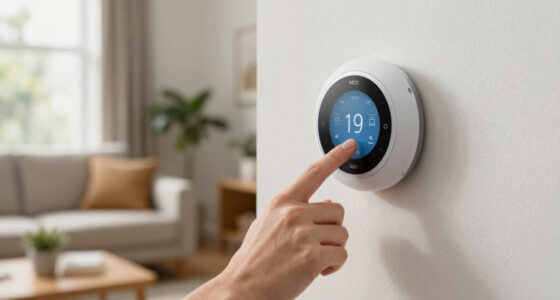
This story highlights accessible, non-invasive ways to add smart features to basic appliances, enabling users to improve comfort and energy efficiency without risking lease violations or security deposits. It provides practical guidance for those who lack technical skills but want modern automation benefits. As smart home technology becomes more affordable and widespread, understanding safe installation methods is increasingly relevant for renters and budget-conscious homeowners who want smart upgrades without professional help.Wi-Fi smart plug for air conditioner
As an affiliate, we earn on qualifying purchases.
As an affiliate, we earn on qualifying purchases.
Limited Options for Renters to Upgrade Appliances Safely
Many rental agreements prohibit modifications to appliances or property, making it difficult for tenants to upgrade or automate basic systems like air conditioners. Traditionally, adding smart features required wiring changes or permanent modifications, which could lead to losing security deposits or violating lease terms. Recent homeowner experiences, shared online, show that non-invasive solutions like smart plugs and external sensors can provide smart control and monitoring without risking these issues. This approach aligns with the trend toward affordable, DIY smart home upgrades that are reversible and compliant with rental agreements.“Using a smart plug and external temperature sensors, I was able to control and monitor my AC remotely without making any permanent changes to the unit or risking my deposit.”
— Homeowner
external temperature sensor for AC
As an affiliate, we earn on qualifying purchases.
As an affiliate, we earn on qualifying purchases.
Potential Risks and Limitations of External Smart Devices
While the homeowner reports success, it is not yet clear how universally applicable these methods are across different AC models or lease agreements. There is also some uncertainty about whether landlords might object to external modifications, even if non-invasive, or if certain smart devices could cause issues with warranty or insurance. Further testing and legal clarification are needed to confirm the safety and compliance of these methods in various rental situations.As an affiliate, we earn on qualifying purchases.
Next Steps for Renters Wanting Smart AC Control
Consumers interested in similar upgrades should research compatible smart plugs and sensors, ensuring they are easy to remove and do not alter the AC unit. Future developments may include more integrated, rental-friendly smart devices designed specifically for non-invasive installation. Renters should also review lease agreements and consult with landlords if unsure about device compatibility. The homeowner plans to share detailed step-by-step guides and reviews of specific products to assist others in making safe, compliant upgrades.As an affiliate, we earn on qualifying purchases.
Key Questions
Can I use a smart plug to control my AC remotely?
Yes, using a Wi-Fi-enabled smart plug is a common method to control a basic AC unit remotely, as long as the plug supports the power requirements of the unit.
Will using external sensors or smart plugs void my lease or security deposit?
Generally, non-invasive devices like smart plugs and external sensors do not violate lease agreements or risk deposits, but it’s advisable to review your lease and communicate with your landlord if unsure.
Are there risks to using smart devices with my AC?
Risks include potential incompatibility with certain units, electrical issues if devices are not rated properly, and possible landlord objections. Using certified, compatible devices and avoiding wiring modifications minimizes these risks.
Can I permanently upgrade my AC to be smart without losing my deposit?
Permanent modifications, such as wiring changes or installing built-in smart controls, could risk your deposit. Non-invasive solutions like smart plugs are safer options for renters.
What should I consider before attempting this upgrade?
Check your lease agreement, ensure the devices are compatible, and prefer non-invasive solutions. Always prioritize safety and reversibility to avoid issues with your landlord or security deposit.
Source: hn
NFL season / tailgating Picks
team gear
As an affiliate, we earn on qualifying purchases.