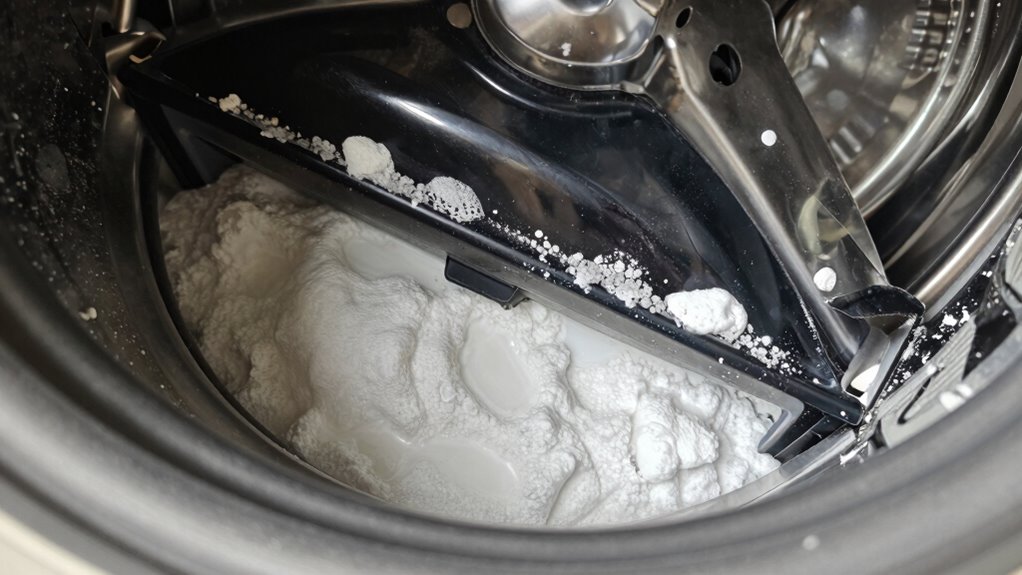

Auto-dosing washers can develop stubborn detergent buildup if you forget to clean the dispenser regularly or use incompatible detergents. Excess detergent, leaks, and overfilling can leave residue that clogs filters and impairs performance. Proper maintenance, like cleaning compartments every 1-4 months and choosing the right detergents, helps prevent issues. If you want to discover how to keep your washer running smoothly, keep going for helpful tips.

Get home appliances delivered free with Prime
- Fast, free delivery on millions of items
- Prime Video, Amazon Music and more included
- Member-only deals all year
Key Takeaways
- Excess detergent from overuse or incorrect auto-dosing can lead to residue buildup in dispensers.
- Infrequent cleaning of detergent compartments allows soap scum and residue to accumulate and clog the system.
- Using incompatible or poorly dissolved detergents increases the risk of deposits that cause clogs and performance issues.
- Leaks and improper rinsing contribute to detergent pooling, residue, and buildup within the washer.
- Regular maintenance, including cleaning dispensers and inspecting hoses, prevents detergent residue from causing system damage.
How Do Auto-Dosing Washers Use Detergent Dispenser Systems?

Auto-dosing washers use specialized detergent dispenser systems to automatically measure and release the right amount of detergent during each cycle. The dispenser design is essential, guaranteeing precise dosing based on load size and soil level. High-quality detergent contributes to ideal cleaning and prevents residue buildup, making the system more effective. Many dispensers feature compartments for liquid or powder detergent, with sensors that trigger release at specific cycle points. You don’t need to worry about over- or under-dosing, as the system handles it for you, reducing waste and protecting your machine. Proper dispenser design ensures even distribution of detergent, while quality detergent prevents clogging and residue. This combination streamlines laundry, saves money, and keeps your washer running smoothly. Additionally, understanding the importance of detergent chemistry can help you select the best products to prevent buildup and maintain optimal performance. Recognizing the role of dispenser mechanism in ensuring consistent detergent delivery is crucial for optimal laundry results. Regular maintenance of the dispenser system can further extend its lifespan and efficiency, especially when combined with proper cleaning routines. Maintaining awareness of detergent formulation can also help avoid issues related to residue and buildup over time.
What Causes Detergent Buildup in Your Washer?
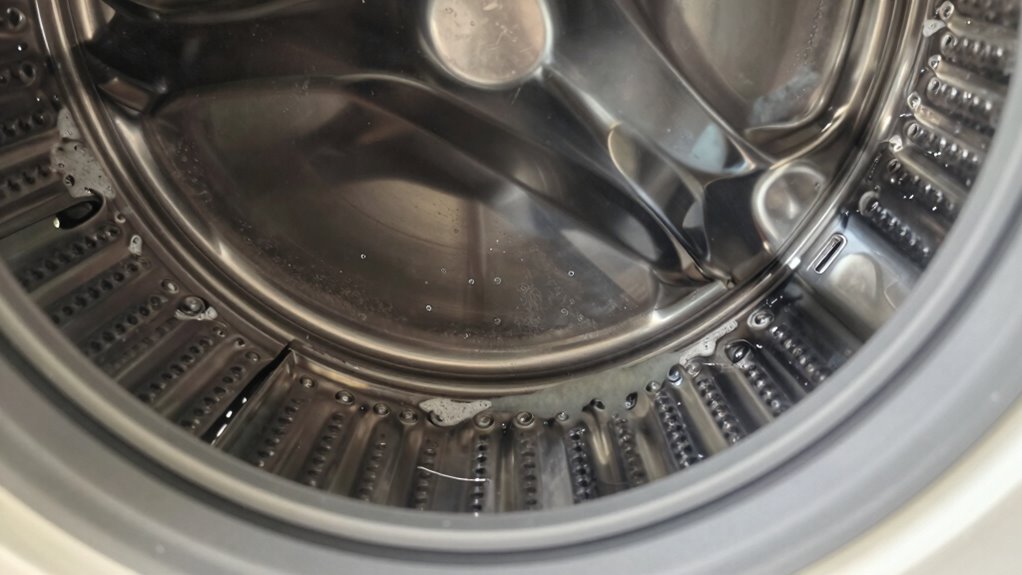
You might notice detergent buildup if you use too much or don’t rinse properly. Improper washer maintenance can also leave residues that clog the system. Keeping an eye on these issues helps prevent buildup and keeps your washer running smoothly. Additionally, using an auto-dosing washer properly can help prevent excess detergent use and minimize residue issues. Proper filter sizing and flow can also reduce the chances of buildup by ensuring all detergent is rinsed effectively. Regularly researching and verifying your washer’s specifications can further help in selecting the right settings and maintenance routines to avoid detergent buildup. Being aware of your washer’s detergent compatibility can also help prevent residue problems by ensuring you use suitable cleaning agents. Incorporating climate-conscious practices in your maintenance routine can further contribute to a more sustainable and efficient washing process.
Excess Detergent Residue
When too much detergent is used or not rinsed away properly, it can leave behind a stubborn residue in your washer. High detergent concentration can cause excess suds that don’t fully rinse out, leading to buildup over time. Additionally, dispenser leaks contribute to excess detergent settling in areas where it shouldn’t be, creating pockets of residue. This buildup can clog filters and affect washer performance. Auto-dosing systems sometimes overestimate the right amount, especially if calibration is off, increasing the risk of leftover detergent. Regularly checking the dispenser for leaks and adjusting the detergent amount helps prevent excess residue. Proper rinsing and using the correct detergent dosage are essential to keep your washer clean and functioning efficiently, avoiding the common mistake of detergent overload. Understanding detergent chemistry can help optimize your washing routine and prevent buildup issues. Moreover, understanding how Auto-dosing systems operate can assist in preventing overuse and residue accumulation. Being aware of detergent residue effects is also important for maintaining appliance longevity and performance. Ensuring your washer is compatible with auto-dosing technology can further reduce the likelihood of detergent buildup. Additionally, adopting effective maintenance practices can help prolong the life of your appliance and ensure optimal cleaning results.
Improper Washer Maintenance
Improper maintenance of your washer can lead to detergent buildup that diminishes its efficiency and lifespan. When you neglect regular cleaning, residue from detergent can accumulate, disrupting the detergent correlation and causing clogs or mold. Guaranteeing your washer’s compatibility with the detergent you use is vital; incompatible detergents may not rinse properly, leading to buildup. Over time, mineral deposits and leftover soap can stick to internal parts, affecting wash quality. Regularly running maintenance cycles, cleaning filters, and inspecting hoses help prevent these issues. Additionally, trusted resources can provide guidance on proper washer care and maintenance routines. By maintaining your washer properly, you reduce the risk of detergent buildup and ensure ideal performance. Proper upkeep keeps your machine working efficiently, extends its lifespan, and maintains the effectiveness of auto-dosing systems.
How Can Using the Wrong Detergent or Overdoing It Cause Problems?
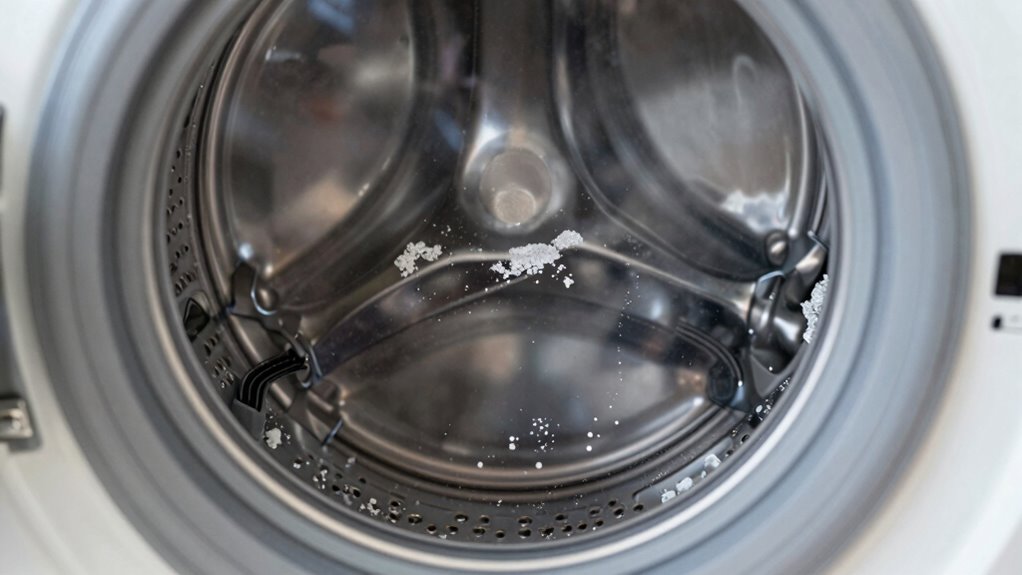
Have you ever wondered how using the wrong detergent or adding too much can cause issues with your washer? Low-quality detergent or one not suited for your machine can leave residues that build up over time, leading to clogs and odor. Overdoing it with detergent can cause excess soap suds, which interfere with the wash cycle selection, preventing proper rinsing and cleaning. When you use the wrong detergent, it may not break down dirt effectively, and too much detergent can trap grime and soap scum inside the washer’s components. This buildup not only affects performance but also increases the risk of mold and bacteria growth. Choosing the right detergent and following recommended amounts help maintain your washer’s efficiency and prevent costly issues down the line. Proper water quality and regular maintenance are also key factors in preventing these problems.
How to Prevent Detergent Buildup With Proper Maintenance

To prevent detergent buildup, you need to maintain your washer regularly. Make sure to follow a consistent cleaning schedule to remove residue and prevent clogs. Also, always use the correct detergent to avoid excess suds and buildup that can damage your machine. Incorporating essential oils for maintenance, such as tea tree oil, into your cleaning routine can help disinfect and keep your washer smelling fresh. Regularly inspecting and replacing wearable parts can further prevent buildup and ensure optimal performance. Additionally, proper disposal and recycling of old or damaged kitchen gear can help reduce environmental impact and maintain your home’s eco-friendliness.
Regular Cleaning Schedule
Regularly scheduling cleanings for your auto-dosing washer is essential to prevent detergent buildup and keep it functioning efficiently. Consistently check the detergent concentration to ensure it isn’t too high, which can lead to excess residue. Regularly clean the dispenser to remove any leftover detergent or debris that can cause clogs or buildup. Make it a habit to run a cleaning cycle or wipe down the dispenser weekly, especially if you notice any residue. Maintaining a routine ensures that detergent doesn’t accumulate inside the system, which could impair performance or cause costly repairs. By staying proactive with cleaning and monitoring detergent levels, you’ll extend your washer’s lifespan and keep it operating smoothly.
Use Correct Detergent
Choosing the right detergent is essential for preventing buildup in your auto-dosing washer. Not all detergent types work equally well with auto-dosing systems, so select a high-quality, compatible liquid detergent designed for your machine. Using the wrong detergent can cause excess residue and clogs. Follow dispenser tips by filling the compartment according to manufacturer instructions, avoiding overfilling or underfilling. This ensures the correct amount of detergent is dispensed each cycle, reducing the risk of leftover residue that leads to buildup. Always check the detergent’s compatibility with auto-dosing systems and opt for formulas that dissolve completely. Properly using the correct detergent and following dispenser tips keeps your washer clean, efficient, and free from detergent buildup. Additionally, being aware of ethical considerations in product manufacturing can guide you toward choosing environmentally friendly and socially responsible detergent brands. Recognizing the importance of product durability can also help you select detergents that maintain your washer’s longevity.
How Often Should You Clean the Dispenser?

Wondering how often you should clean the dispenser on your auto-dosing washer? It depends on your detergent types and dispenser design. If you use powder detergent or concentrated formulas, buildup can occur faster, so cleaning every one to two months is recommended. For liquid detergents, cleaning every three to four months usually suffices. The dispenser design also matters—more complex designs with multiple compartments may trap residue more easily, requiring more frequent cleaning. Regularly removing and rinsing the dispenser prevents detergent residue from hardening and causing clogs. Staying consistent with cleaning schedules helps maintain ideal performance and prevents detergent buildup that could lead to malfunctions. Additionally, understanding the dispenser maintenance requirements can help extend the lifespan of your appliance and ensure optimal cleaning efficiency.
Signs of Detergent Buildup and How to Fix It
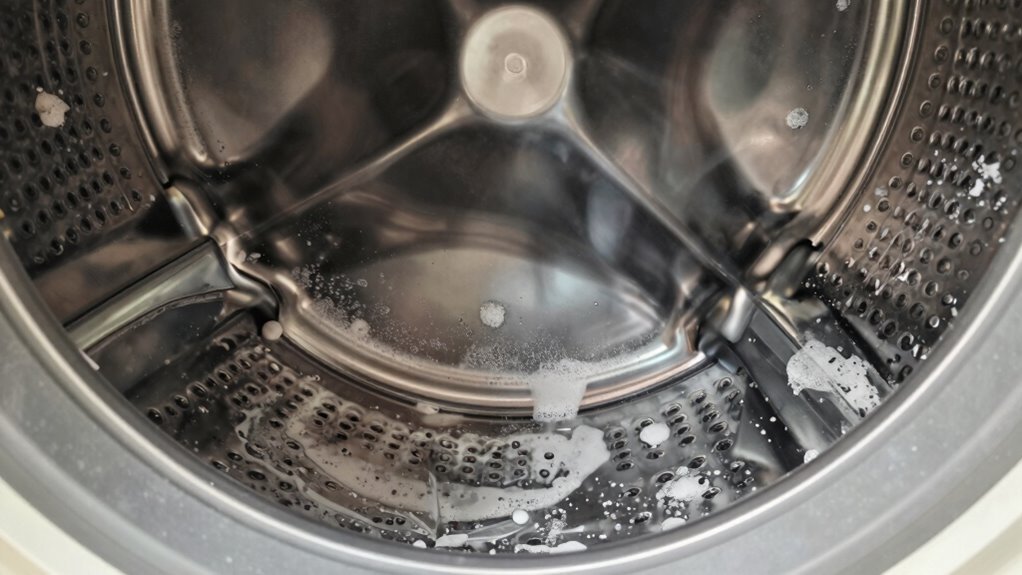
Over time, detergent residue can accumulate in the dispenser, leading to visible signs of buildup. You might notice soap scum around the dispenser area or find it difficult for detergent to dispense properly. Clumps of detergent residue can cause inconsistent washing performance and leave streaks or spots on your laundry. If your clothes aren’t coming out as clean as they should, or if you see residue lingering after cycles, buildup is likely the culprit. To fix this, remove the dispenser and scrub away soap scum with warm water and a brush. Run an empty cycle with hot water and a cup of vinegar to break down stubborn residue. Regular cleaning prevents future buildup and guarantees your auto-dosing washer runs smoothly.
When to Call a Professional for Washer Issues

While many washer issues you can troubleshoot on your own, there are times when it’s best to call in a professional. If you experience persistent problems such as unusual odors, water leaks, or error codes, it’s a sign you need expert help. Issues like detergent incompatibility causing buildup or a malfunctioning auto-dosing system can be tricky to diagnose. A professional can perform thorough appliance troubleshooting, ensuring your washer runs efficiently. Consider calling a technician if you notice:
- Consistent detergent residue or buildup
- Failure to dispense detergent properly
- Unusual noises during operation
- Water leaks or flooding
- Error messages that won’t clear
Knowing when to seek help saves time and prevents further damage, keeping your washer running smoothly.
Frequently Asked Questions
Can Detergent Buildup Damage My Washer’s Internal Components?
Yes, detergent residue buildup can damage your washer’s internal components. Over time, excess detergent can cause internal corrosion, leading to rust and weakened parts. This buildup may clog sensors and hoses, reducing efficiency and increasing repair costs. To prevent this, use the recommended amount of detergent, especially with auto-dosing washers, and run maintenance cycles periodically to keep internal components clean and functioning properly.
Are There Specific Detergents Better Suited for Auto-Dosing Washers?
You should choose detergents specifically formulated for auto-dosing washers to guarantee ideal dosing and prevent buildup. Look for products with clear detergent compatibility labels, indicating they’re designed for such machines. These detergents typically have precise formulations that work well with auto-dosing systems, reducing the risk of overuse or residue. Always follow manufacturer recommendations for the best results and to keep your washer running smoothly.
How Does Water Hardness Affect Detergent Buildup in Washers?
Water hardness directly impacts detergent buildup in your washer. Hard water contains high mineral content, leading to mineral deposits that can clog your machine and reduce cleaning efficiency. To prevent this, use water softening methods or detergents formulated for hard water. These solutions help minimize mineral deposits, ensuring your auto-dosing washer functions smoothly and stays free of detergent buildup caused by water hardness.
Can Using Eco-Friendly Detergents Reduce Buildup Issues?
Absolutely, switching to eco-friendly options can dramatically reduce buildup in your washer. These biodegradable formulas are designed to break down completely, leaving no residue behind. Unlike traditional detergents, they don’t flood your machine with harsh chemicals that clog filters and create grime. By choosing eco-friendly detergents, you protect your washer and the environment, making laundry less of a chore and more of a guilt-free, spotless experience.
What Are the Long-Term Effects of Untreated Detergent Buildup?
If you ignore detergent buildup, residue accumulation can clog your washer’s components, reducing efficiency and causing unpleasant odors. Over time, mold growth may develop in damp areas, leading to potential health issues and foul smells. The longer you delay cleaning, the more difficult it becomes to remove the buildup, risking costly repairs. Regular maintenance and proper cleaning help prevent these long-term effects, keeping your washer running smoothly and hygienically.
Conclusion
Ignoring detergent buildup is like ignoring a ticking time bomb—eventually, your washer will break down. Yet, with simple maintenance, you can keep it running smoothly, saving time and money. Think of proper cleaning as the key to longevity, contrasting the chaos of repairs and replacements. By staying proactive, you prevent buildup from turning your laundry routine into a costly headache. Keep your washer happy, and it’ll keep your clothes fresh and clean.
Cold & flu season Picks
humidifiers
As an affiliate, we earn on qualifying purchases.