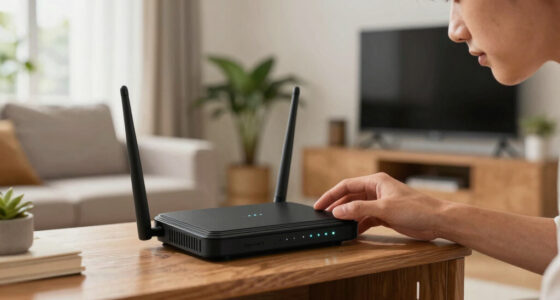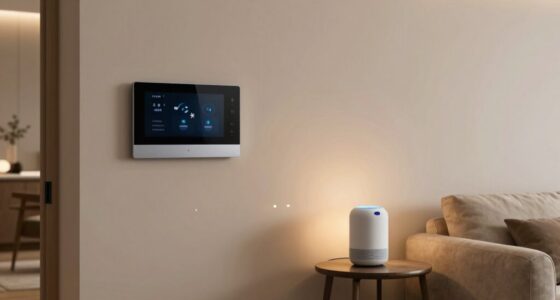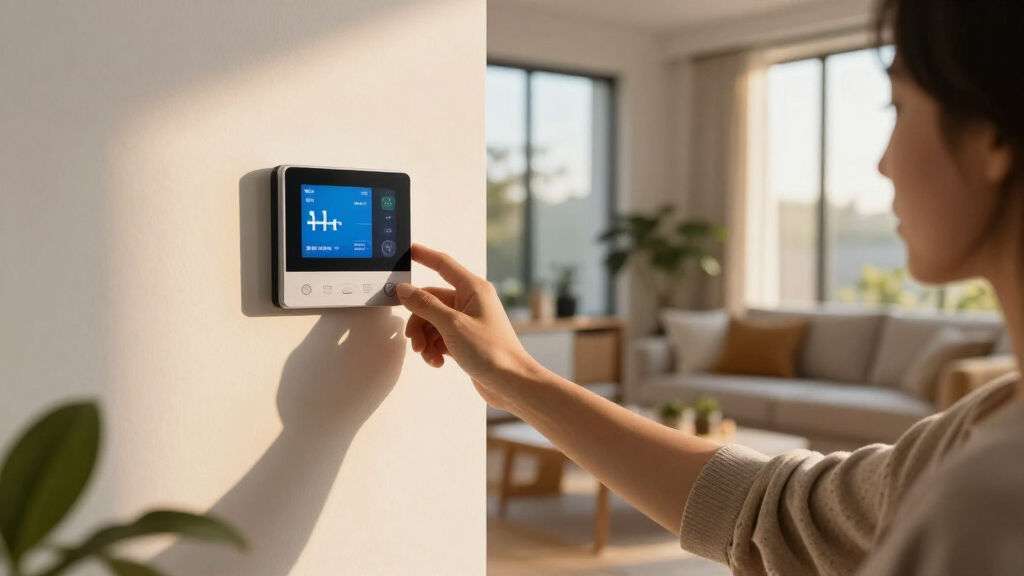

🔍 Read the full analysis: 12 Best AI-Powered Home Automation Devices In 2026 on ThorstenMeyerAI.com
Open a free Amazon Business account
Business pricing, bulk buying and tax-exempt orders.
Create a free accountAs an affiliate, we earn on qualifying purchases.
TL;DR
In 2026, the market for AI-powered home automation devices features a mix of local control hubs, voice processors, and DIY options. Key highlights include privacy-focused products like Hubitat Elevation C-8 Pro and customizable setups such as Raspberry Pi. These devices cater to varying user needs, from beginners to advanced DIYers, emphasizing privacy, integration, and automation capabilities.
In 2026, the market for AI-powered home automation devices has expanded significantly, with a focus on privacy, customization, and ease of use. The original analysis highlights the key trends shaping this growth. The top devices include the Hubitat Elevation C-8 Pro, known for its robust local control, and the Local AI Voices Command Processor, which offers seamless voice control without relying on cloud services. These developments are shaping how consumers manage their smart homes, emphasizing data security and reliability.
The Hubitat Elevation C-8 Pro stands out for its local processing capabilities, allowing users to control devices without cloud dependence, thus enhancing privacy and reducing latency. It is especially popular among privacy-conscious users and those seeking reliable automation in areas with unstable internet connections.
For voice command integration, the Local AI Voices Command Processor offers AI-driven control that operates primarily on local hardware, minimizing data sharing with third parties. However, many voice assistants still rely on cloud processing, which can raise privacy concerns despite their convenience.
DIY enthusiasts have options like the Build Your Dream Smart Home with Raspberry Pi, which provides extensive customization but demands technical skills in programming and networking. These solutions are favored by users who want tailored automation and full control over their data, though they are less accessible for beginners.
Other notable devices include energy monitoring systems like the Home Energy Monitor Lite, which use AI to analyze energy consumption, and comprehensive bundles such as the SwitchBot bundle with integrated cameras and AI hubs, offering extensive monitoring at a higher cost. These products demonstrate the trend toward integrated, AI-enhanced home management systems.
The 12 picks
- 1
 SwitchBot AI Hub Bundle with PTC Plus 5MP Camera, AI Smart Hub with OpenClaw…View on Amazon →
 - 2
 SwitchBot AI Hub with OpenClaw Support and Local Camera StorageView on Amazon →
 - 3
 Hubitat Elevation C-8 Pro Smart Home Hub, Local Control and AutomationsView on Amazon →
 - 4
 iSG Box SE ZB Smart Home Hub with Preinstalled Home AssistantView on Amazon →
 - 5
 AI-Powered Smart Home DevicesView on Amazon →
 - 6
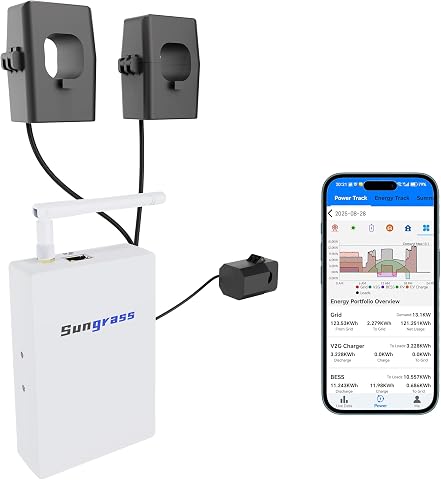 Home Energy Monitor Lite – Real-Time Electricity Usage & Power Consumption Me…View on Amazon →
 - 7
 iSG Box SE Smart Home Hub with Preinstalled Home AssistantView on Amazon →
 - 8
 AI-Powered Smart Home Guide 2026: A Step-by-Step Guide to Designing, Optimizi…View on Amazon →
 - 9
 Build Your Dream Smart Home with Raspberry Pi: The Complete DIY Guide to Crea…View on Amazon →
 - 10
 Speech Recognition Module for DIY Home Automation and RoboticsView on Amazon →
 - 11
 AI Powered Smart Home Guide for Beginners 2026View on Amazon →
 - 12
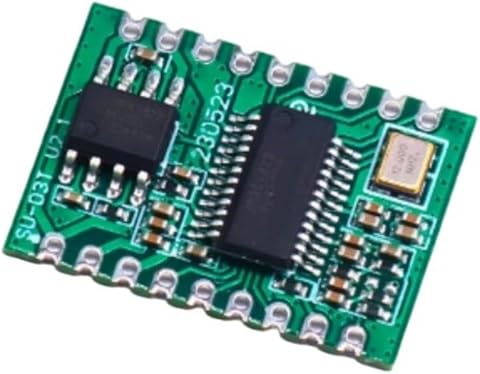 Local AI Voices Command Processor for Home Automation SystemsView on Amazon →
Why Privacy and Customization Matter in 2026
As home automation becomes more integrated into daily life, privacy and data security are increasingly important considerations for consumers. Devices like the Hubitat Elevation C-8 Pro exemplify this shift by prioritizing local processing, reducing reliance on cloud services and protecting user data. Additionally, the rise of DIY solutions like Raspberry Pi offers users full customization, appealing to tech-savvy consumers seeking control over their smart home ecosystems.
This focus on privacy and flexibility influences market trends, pushing manufacturers to develop more secure, user-controlled products. For users, these advancements mean better data security, more reliable automation, and tailored experiences suited to individual needs, making these devices vital components of modern smart homes.
Evolution of AI in Home Automation
The adoption of AI in home automation has accelerated over the past few years, transitioning from basic voice assistants to sophisticated systems capable of complex automation and energy management. Early devices relied heavily on cloud processing, raising privacy concerns, but recent innovations emphasize local AI processing for enhanced security.
In 2024 and 2025, major brands introduced hybrid solutions combining cloud and local AI, aiming to balance power and privacy. DIY communities also expanded, with platforms like Raspberry Pi enabling custom automation projects. The current year, 2026, sees a mature market with a broad spectrum of options tailored to different user preferences, from plug-and-play hubs to highly customizable setups.
Remaining Questions About AI Home Devices in 2026
While many devices emphasize local processing, it is still unclear how widespread adoption will be across different regions due to varying privacy regulations and technical infrastructure. Additionally, the long-term reliability and security of DIY solutions like Raspberry Pi setups remain to be fully tested in real-world environments. The balance between AI power, user privacy, and ease of use continues to evolve, and some consumers may face challenges in integrating multiple devices into a seamless ecosystem.
Future Developments in AI Home Automation
In the coming months, manufacturers are expected to release new versions of AI hubs with enhanced local processing and greater compatibility. Integration of AI-driven energy management systems will likely become more prevalent, helping consumers optimize power usage. Additionally, advancements in voice AI will aim to improve accuracy and privacy, possibly reducing reliance on cloud services. The market will also see increased focus on security features to protect against cyber threats, especially for DIY and customizable solutions.
Key Questions
Do I need technical skills to set up the top AI home devices in 2026?
Setup requirements vary. Plug-and-play devices like smart hubs or voice assistants typically require minimal technical knowledge, with straightforward installation processes. However, DIY solutions like Raspberry Pi setups demand familiarity with networking, programming, and hardware configuration. Consider your comfort level and the complexity of your desired automation system before choosing a device.
Are local AI devices more secure than cloud-based options?
Generally, yes. Local AI devices process data on-site, reducing exposure to data breaches and third-party access. Cloud-based systems, while often more powerful, rely on external servers, which can pose privacy risks if not properly secured. Users prioritizing privacy should consider local processing options, especially in sensitive environments.
Can I upgrade or expand my AI home automation system easily?
It depends on the device ecosystem. Some platforms, like Zigbee or Z-Wave compatible hubs, allow easy expansion with additional devices. DIY solutions like Raspberry Pi offer extensive customization but require technical expertise for upgrades. Always check compatibility and scalability features before investing in a system.
What should I consider when choosing between local and cloud AI processing?
Prioritize local processing if privacy, data security, and system reliability are your main concerns. Cloud AI offers more advanced features and easier updates but at the expense of data sharing and potential latency issues. Your choice should align with your privacy preferences, internet stability, and automation needs.
Will AI-powered home devices become more affordable in the future?
As technology advances and market competition increases, prices are expected to decrease over time. Entry-level devices will likely become more accessible, while high-end, customizable solutions may remain premium options. Consumers should weigh current features against their budget and long-term value.
Source: ThorstenMeyerAI.com
NFL season / tailgating Picks
team gear
As an affiliate, we earn on qualifying purchases.