Smart homes often fail when households have diverse habits because users don’t receive enough training or ongoing customization. If everyone uses devices differently, routines clash, and devices become confusing or misused. Without regular calibration and updates, the system becomes outdated and frustrating. To keep your smart home working smoothly, continuous engagement and adjustments are key. Understanding these challenges can help you prevent common pitfalls and make your smart home truly work for everyone. Keep exploring to learn how.

Get home appliances delivered free — and shop member deals
- Fast, free delivery on millions of items
- Access to Prime Big Deal Days deals on October 6–7
- Prime Video, Amazon Music and more included
Key Takeaways
- Inconsistent user habits lead to misaligned device settings and automation, causing system inefficiency.
- Lack of ongoing user training results in confusion and improper device use.
- Failure to calibrate and customize devices for individual preferences reduces system harmony.
- Neglecting regular updates and feedback causes outdated routines and underutilization.
- Without continuous engagement, the smart home becomes difficult to adapt to changing household dynamics.

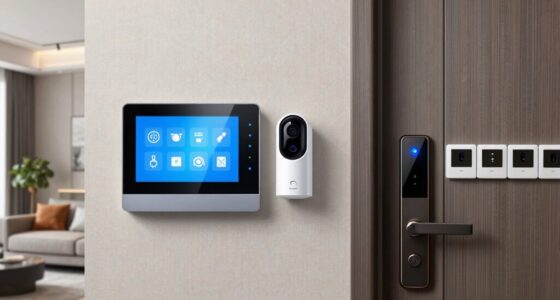
Smart homes promise convenience and efficiency, but they often fall short because everyone uses them differently. When you introduce a variety of smart devices into your house, each person’s habits, preferences, and tech comfort levels can create chaos rather than harmony. One major reason for this disconnect is the lack of proper user training. Many homeowners assume that installing the devices is enough, but without understanding how to operate them effectively, frustrations quickly mount. If you don’t take the time to learn how each device works, you might find yourself repeatedly troubleshooting or abandoning features altogether. Proper user training helps everyone in the household understand the purpose of each device, how to use it correctly, and how to troubleshoot minor issues. It’s about empowering each user to get the most out of their smart home setup, reducing confusion and misuse. Additionally, understanding the importance of user engagement can significantly improve the system’s long-term effectiveness. Engaging users regularly ensures they stay informed about new features and updates, preventing stagnation in usage. Building a habit of continuous learning and adaptation is crucial for maintaining a smooth smart home experience.
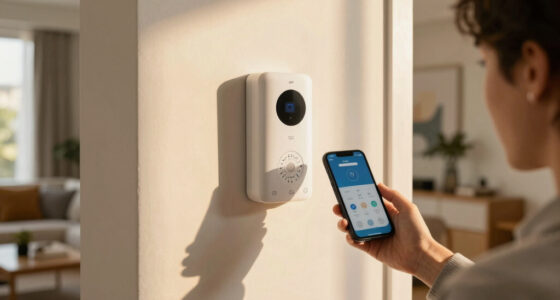
Another key factor is the need for ongoing device calibration, as household members’ routines and preferences change over time. Device customization plays an equally essential role in making smart homes work seamlessly. Every person in your household has different routines, preferences, and comfort levels with technology. If your smart devices aren’t customized to fit these individual needs, they can become more of a hindrance than a help. For example, one person might prefer the lights dimmed at a certain time, while another wants the heating turned on before they wake up. When devices aren’t tailored to specific preferences, it’s easy for confusion to occur, resulting in inconsistent experiences. Customization involves setting up routines, preferences, and controls that align with each user’s lifestyle. It might mean configuring voice commands, adjusting automation rules, or creating personalized profiles. When everyone’s needs are considered and incorporated into the system, the smart home becomes more intuitive and user-friendly. Proper Device customization also helps in minimizing conflicts and ensuring that the system adapts to changing household dynamics. Regular reviews and updates of these settings are vital as household routines evolve over time.
However, many households overlook the importance of ongoing user training and device customization. They set up their smart home once and assume it will run smoothly forever. In reality, habits change, new devices get added, and users need refresher courses or tweaks to their settings. Without continuous engagement and adjustment, the system can become outdated or misaligned with current needs, leading to frustration and underuse. To prevent this, you should prioritize regular training sessions and review device settings periodically. Encouraging feedback from all household members and continuous improvement can keep the system aligned with everyone’s evolving routines. When you make user training and device customization a priority, your smart home becomes a true asset—serving everyone effectively instead of causing confusion and disappointment. Ultimately, fostering a culture of ongoing maintenance ensures your smart home remains functional and satisfying for all users.
smart home device calibration tools
As an affiliate, we earn on qualifying purchases.
As an affiliate, we earn on qualifying purchases.
Frequently Asked Questions
How Can I Ensure All Family Members Adapt to Smart Home Devices?
You can guarantee all family members adapt to smart home devices by establishing clear guidelines on device privacy and user accountability. Teach everyone how to use and manage devices responsibly, emphasizing privacy concerns. Make it a team effort, encouraging open communication about any issues. Regularly review device settings together, so everyone understands their roles, feels accountable, and respects privacy, helping the entire household smoothly shift and use smart technology effectively.
What Are the Best Ways to Customize Smart Home Settings for Different Users?
To customize smart home settings for different users, start by creating individual profiles that respect user privacy and preferences. Use device compatibility features to tailor controls for each person, ensuring everyone can access what they need without compromising security. Regularly update settings based on feedback, and educate family members about sharing access responsibly. This approach keeps the system flexible, private, and user-friendly for all household members.
How Do Smart Homes Handle Conflicting User Preferences?
Imagine you’re in a sci-fi movie, but smart homes handle conflicting preferences smoothly. They do this through device compatibility and user personalization. The system learns each person’s habits, adjusting settings accordingly, and prioritizes preferences based on context. When disagreements occur, it uses algorithms to balance everyone’s needs, ensuring a harmonious environment. This way, your smart home becomes a seamless space that adapts to diverse users without chaos or frustration.
What Training Is Recommended for New Smart Home Users?
You should start with thorough training on using voice commands effectively and understanding security protocols. Practice simple commands first, then explore advanced features. Make certain everyone in your household understands security protocols to protect your smart home. Regularly review user manuals and update firmware to stay current. This proactive approach guarantees smooth operation and helps prevent conflicts or misunderstandings, making your smart home more reliable and user-friendly for everyone.
How Can I Improve Communication Among Household Members About Smart Device Usage?
You might think everyone naturally communicates about smart device usage, but ironically, discussing device integration and user privacy often gets overlooked. To improve communication, hold regular family meetings, set clear guidelines, and involve everyone in choosing and customizing devices. Transparency about privacy concerns helps build trust. When everyone understands how devices work and respects boundaries, your smart home becomes a seamless, shared space rather than a source of friction.
As an affiliate, we earn on qualifying purchases.
Conclusion
So, as you realize how each person’s unique habits can turn a smart home into a source of frustration, it’s almost poetic how technology’s promise of harmony can falter just when you need it most. Maybe it’s a coincidence that in trying to make life easier, we sometimes create new challenges. But understanding these differences can be the key to truly making your smart home work for everyone—and turning a potential failure into a future success.
customizable smart lighting system
As an affiliate, we earn on qualifying purchases.
As an affiliate, we earn on qualifying purchases.
As an affiliate, we earn on qualifying purchases.
Fall Picks
fall essentials
As an affiliate, we earn on qualifying purchases.