
TL;DR
Listen free for 30 days with Audible
Thousands of audiobooks and originals — cancel anytime.
As an affiliate, we earn on qualifying purchases.
Philips Hue is rolling out a firmware update that allows its smart bulbs to operate both Thread and Zigbee protocols simultaneously. This upgrade enables direct integration with Matter-compatible platforms like Apple Home and Google Home without losing existing Hue features. The update is based on new multi-protocol radio technology and is expected later this year.
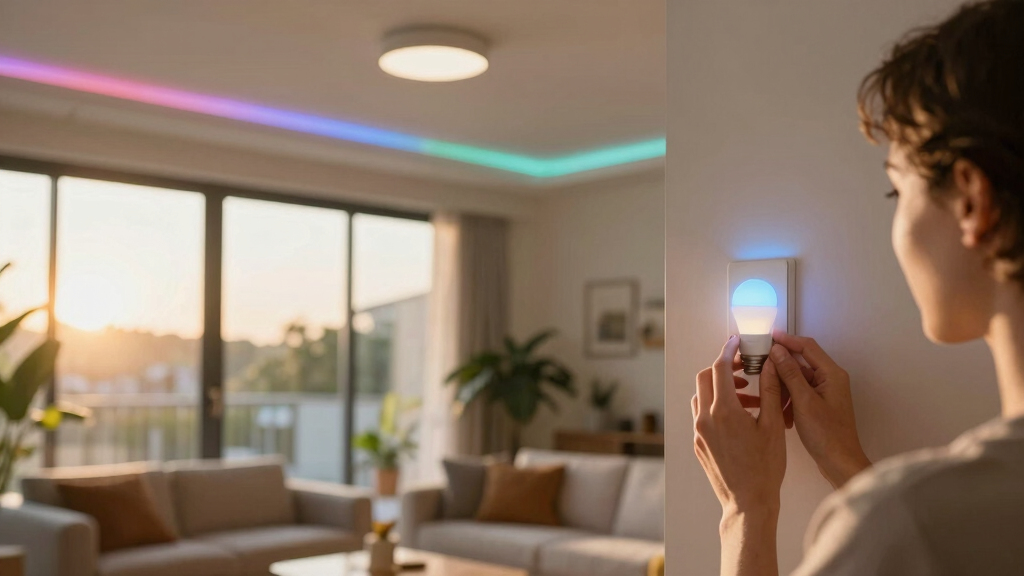
Philips Hue has announced a firmware update that will enable its smart bulbs to operate both Thread and Zigbee protocols simultaneously, allowing direct connection to Matter ecosystems such as Apple Home and Google Home while maintaining existing Hue features. This marks a significant enhancement in connectivity flexibility for Hue users.
The upgrade is made possible by a new radio synchronization feature called concurrent multiprotocol technology (CMP), developed by Silicon Labs, Hue’s chip supplier. Currently, Hue bulbs can only run either Zigbee or Thread, requiring users to choose one protocol during setup. With CMP, compatible Hue devices will be able to listen to and respond to commands over both protocols at once, without needing to reset or reconfigure.
This development means that Hue bulbs can be directly integrated into Matter-compatible platforms without routing traffic through the Hue Bridge. Instead, the bulbs will have dual masters, maintaining simultaneous connections to both the Hue ecosystem and a Matter controller, offering greater flexibility and future-proofing. The update will be available later this year for devices built on Silicon Labs MG26 and SiMG301 wireless SoCs.
George Yianni, Philips Hue CTO, explained that this feature was always part of the plan but was not ready at launch. He also noted that other companies, such as Ikea and Aqara, use similar multi-protocol chips capable of supporting concurrent radio operation, which could enable powered devices to serve as mesh extenders for Thread networks.
Enhanced Connectivity and Future Compatibility for Hue
This update is important because it significantly improves the flexibility of Philips Hue smart lighting systems, allowing users to connect directly to Matter ecosystems without sacrificing Hue’s existing features. It also opens the door for future enhancements, such as more advanced entertainment syncing or motion-aware features over Thread, depending on standard evolution.
For consumers, this means easier integration with a broader range of smart home platforms and potentially more robust mesh networks. For Philips Hue, it positions the brand to adapt to future smart home standards and standards evolution, potentially reducing reliance on the Hue Bridge for device control.
Philips Hue smart bulbs Zigbee Thread compatibility
As an affiliate, we earn on qualifying purchases.
As an affiliate, we earn on qualifying purchases.
Background on Hue’s Protocol Limitations and Developments
Until now, Philips Hue bulbs could only operate over either Zigbee or Thread, but not both simultaneously. Users had to choose a protocol during setup, which limited flexibility and future integration options. The recent announcement builds on the broader industry shift toward Matter, a new standard aiming to unify smart home device compatibility across platforms.
Other manufacturers, including Ikea and Aqara, have developed multi-protocol chips supporting concurrent operation, but Philips Hue’s adoption of Silicon Labs’ CMP technology represents a significant step in mainstreaming this capability within a popular smart lighting ecosystem. The rollout aligns with industry trends toward more seamless, protocol-agnostic smart home devices.
“This technology allows Hue bulbs to listen to multiple command sources simultaneously, which was not possible before.”
— an anonymous researcher
Matter compatible smart lighting
As an affiliate, we earn on qualifying purchases.
As an affiliate, we earn on qualifying purchases.
Details on Future Features and Standard Adoption
While the immediate benefit is clear, it remains uncertain how extensively this technology will be adopted across all Hue devices or whether future updates will enable additional features like enhanced entertainment syncing or motion detection over Thread. Philips has not announced specific plans for these capabilities.
It is also not yet confirmed whether other Hue products, such as outdoor lights or fixtures, will support the update, or if the rollout will be limited to certain device models.
Philips Hue firmware update smart home
As an affiliate, we earn on qualifying purchases.
As an affiliate, we earn on qualifying purchases.
Expected Timeline and Next Steps for Firmware Rollout
The firmware update is expected to be released later this year, starting with compatible Hue bulbs built on Silicon Labs MG26 and SiMG301 chips. Philips Hue users should watch for official notifications and firmware updates through the app. Further details on specific device support and additional features are likely to be announced closer to the release date.
In the meantime, users can continue to control their Hue lights via the Hue Bridge and existing platforms, with the upgrade promising greater flexibility and integration options once available.
multi-protocol smart light bulbs
As an affiliate, we earn on qualifying purchases.
As an affiliate, we earn on qualifying purchases.
Key Questions
Will all Philips Hue bulbs receive this update?
The update will be available for Hue devices built on Silicon Labs MG26 and SiMG301 wireless SoCs. Support for other models has not been confirmed yet.
Does this mean I can connect my Hue lights directly to my smart home platform without the Hue Bridge?
Yes, once the update is rolled out, compatible Hue bulbs will be able to connect directly to Matter ecosystems like Apple Home or Google Home while maintaining Hue features, without needing the Hue Bridge for control.
Will this upgrade improve the performance or speed of my Hue lights?
The primary benefit is enhanced connectivity and compatibility. There is no specific information about performance improvements or reduced latency at this time.
Could this technology enable new features in the future?
Potentially, yes. Future standard evolutions might allow for features like more advanced entertainment syncing or motion detection over Thread, but no specific plans have been announced.
Source: The Verge
Flea & tick season Picks
flea and tick prevention
As an affiliate, we earn on qualifying purchases.