
Smart homes need better backup plans because power outages can disrupt security, climate control, and energy efficiency when you rely heavily on continuous operation. Without proper backup sources like UPS or generators, critical systems stop working, leaving your home vulnerable and uncomfortable. Cybersecurity risks also increase during failures, making your devices easier targets for hackers. By understanding these risks, you’ll see why investing in thorough backup solutions is essential—stick around to discover how to safeguard your smart home effectively.
Listen free for 30 days with Audible
Thousands of audiobooks and originals — cancel anytime.
As an affiliate, we earn on qualifying purchases.
Key Takeaways
- Power outages can disable critical smart home systems, compromising security and safety.
- Backup power sources prevent system shutdowns, ensuring continuous security, climate control, and energy efficiency.
- System failures during outages create cybersecurity vulnerabilities, exposing homes to hacking risks.
- Proper backup plans incorporate redundant systems, regular updates, and encrypted data to enhance resilience.
- A comprehensive backup strategy protects home operations, privacy, and peace of mind in unpredictable situations.

Have you ever considered what would happen to your smart home if the power suddenly goes out or a system failure occurs? It’s easy to take for granted that your devices will keep running smoothly, but a sudden outage can disrupt everything, from security systems to climate control. That’s why having a solid backup plan isn’t just a good idea—it’s vital. Many people overlook this, assuming that their smart devices will automatically handle interruptions or that cloud services will keep everything running seamlessly. Unfortunately, that’s not always the case.
When power fails, your smart home’s energy efficiency can quickly become compromised. Devices that rely on constant power or internet connectivity may shut down unexpectedly, leading to gaps in security, temperature regulation, and even energy management. Without backup power sources, you risk losing control over your home’s systems at critical moments. A backup plan ensures that essential functions stay operational, preventing inconvenience and potential security vulnerabilities. For example, uninterruptible power supplies (UPS) or backup generators can keep your smart security cameras and alarms active during outages. This not only preserves your peace of mind but also maintains the energy efficiency of your home by avoiding unnecessary energy waste when systems are left to run inefficiently or shut down unexpectedly.
Cybersecurity measures are another vital element of a strong backup plan. When your smart home systems experience a failure or power outage, they become more vulnerable to cyber threats. Hackers often target homes during moments of system instability, attempting to exploit vulnerabilities while devices are offline or resetting. Having a robust backup strategy, including secure data storage and updated firmware, helps safeguard your network and personal information. It’s not just about avoiding disruptions; it’s about protecting your entire digital ecosystem from malicious attacks. Regularly updating your firmware, using strong passwords, and maintaining encrypted backups ensure your system’s resilience. Additionally, understanding home automation systems can help you design more comprehensive backup strategies tailored to your specific setup. These steps help prevent cyberattacks that could compromise your smart home’s security and privacy, especially when systems are rebooting or recovering after an outage.
In essence, your smart home’s reliability depends on more than just the devices you install. You need an all-encompassing backup plan that addresses both energy efficiency and cybersecurity measures. Power outages and system failures are inevitable; your preparedness can make all the difference. By investing in backup power sources and implementing strong cybersecurity practices, you protect your home, your privacy, and your peace of mind. The smarter your home gets, the more you should think about how to keep it resilient against unforeseen disruptions. Recognizing system vulnerabilities is also crucial in developing a truly effective backup plan. Incorporating redundant systems can further enhance your home’s resilience by providing alternative pathways for critical functions. A well-rounded approach to backup strategies ensures that your smart home remains safe, efficient, and secure—no matter what challenges come your way.
uninterruptible power supply for smart home
As an affiliate, we earn on qualifying purchases.
As an affiliate, we earn on qualifying purchases.
Frequently Asked Questions
How Often Should Smart Home Backup Systems Be Tested?
You should test your smart home backup systems at least twice a year. During these tests, simulate a power outage to guarantee devices properly switch to backup power. Check device synchronization to confirm all components work seamlessly together. Regular testing helps you identify issues early, ensuring your backup plans are reliable during actual outages. Consistent checks give you peace of mind that your smart home remains functional and secure.
What Is the Cost Range for Comprehensive Smart Home Backups?
You might be surprised that extensive smart home backups typically cost between $500 and $3,000, depending on your setup. Coincidentally, as you check your device’s battery life, you realize investing in backup solutions is vital. A detailed cost analysis shows that spending a bit more upfront guarantees your smart home stays protected during outages, saving you potential repair or replacement costs later.
Are Backup Plans Compatible With All Smart Home Devices?
Backup plans aren’t compatible with all smart home devices, but choosing devices with flexible compatibility and support for redundancy strategies helps. You need to verify device compatibility before setting up your backup system, ensuring seamless integration. Redundancy strategies, like using multiple power sources or backup internet, protect your smart home from failures. This approach guarantees your devices stay connected and functional, even during outages or technical issues.
Can Backup Systems Prevent Data Loss During Cyberattacks?
Yes, backup systems can prevent data loss during cyberattacks by guaranteeing your smart home data is protected. They rely on cloud security and encryption protocols to keep your information safe and accessible, even if an attack occurs. By regularly backing up data to secure cloud services, you minimize risks and guarantee quick recovery. This proactive approach helps you maintain control and security over your smart home’s sensitive information during cyber threats.
What Are the Best Emergency Procedures if Backup Fails?
If your backup fails, your home’s safety could be at stake, making emergency procedures vital. Immediately activate your security protocols and switch to power redundancy systems to keep essential devices running. Manually disconnect vulnerable devices, alert emergency services if needed, and use backup communication methods like battery-powered radios. Staying calm and prepared guarantees you can protect your home and loved ones even when technology lets you down.
As an affiliate, we earn on qualifying purchases.
Conclusion
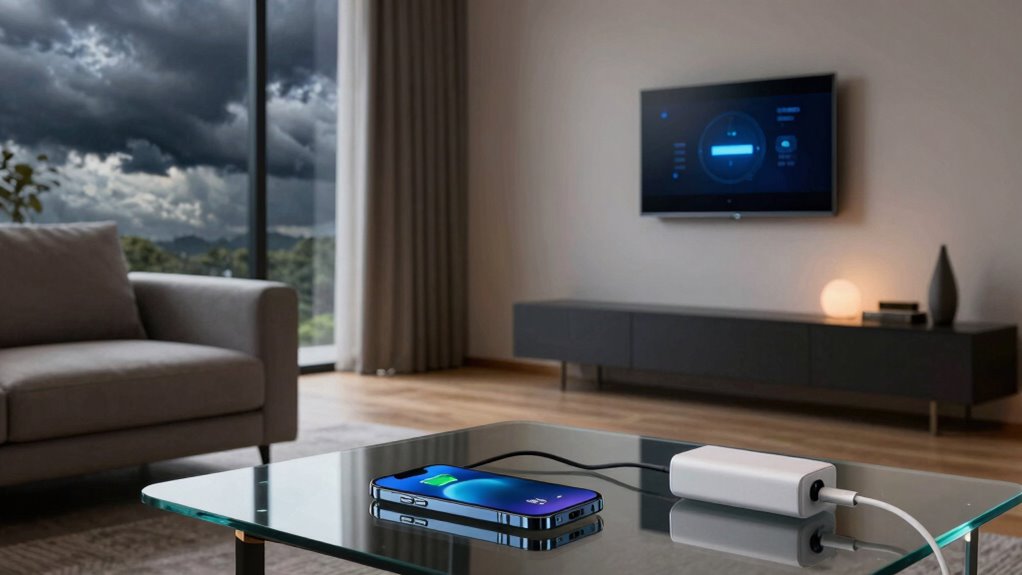
Imagine a storm rolling in, dark clouds blanketing your smart home’s glow. Without a solid backup plan, that flickering light could be your last. But with a reliable system in place, you’ll see your home remain steady—lights shining, doors secure, life uninterrupted. Don’t let a power outage or glitch turn your connected haven into a shadowed house. Prepare now, and keep your smart home thriving, no matter what storms come your way.
home cybersecurity backup solutions
As an affiliate, we earn on qualifying purchases.
As an affiliate, we earn on qualifying purchases.
As an affiliate, we earn on qualifying purchases.
Fall Picks
fall essentials
As an affiliate, we earn on qualifying purchases.