
When buying smart home devices, ask about their encryption methods to guarantee your data stays protected. Find out if voice recordings are stored locally or uploaded to the cloud, and if you can delete or limit access to that data. Check the company’s privacy policies for transparency and opt-out options. Also, inquire about regular security updates and how they handle ongoing protections. Staying informed about these privacy measures helps you make smarter choices—there’s much more to reflect on to stay secure.
Listen free for 30 days with Audible
Thousands of audiobooks and originals — cancel anytime.
As an affiliate, we earn on qualifying purchases.
Key Takeaways
- Inquire about the encryption methods used to protect data during transmission and storage.
- Ask whether voice recordings are stored locally or uploaded to the cloud, and how they can be deleted.
- Verify if the device recognizes only authorized users to prevent unauthorized access.
- Review the company’s privacy policy for clarity on data collection, access, and user control options.
- Ensure regular security updates and transparent protocols are in place to address emerging threats.

Smart homes become more common, questions about privacy naturally arise. You want the convenience of connected devices, but you also need assurance that your personal information stays protected. One key area to address is how your smart devices handle data encryption. Data encryption acts as a safeguard, transforming your information into a coded format that only authorized parties can decode. When shopping for smart home products, ask manufacturers about their data encryption methods—are your voice commands, usage patterns, and personal details protected during transmission and storage? Devices that use strong, end-to-end encryption reduce the risk of unauthorized access, giving you peace of mind that your private conversations and routines aren’t vulnerable to hacking.
Another critical aspect is voice recognition technology. Smart speakers and voice assistants often rely on voice recognition to personalize experiences, but this feature can also pose privacy risks. You should inquire if the device stores your voice data locally or uploads it to the cloud. Devices that retain voice recordings in the cloud might improve functionality, but they also open the door to potential breaches or misuse of your data. Find out if the manufacturer offers options to delete stored voice data or limit what is stored altogether. It’s worth asking whether voice recognition systems are designed to recognize only authorized users, preventing others from potentially accessing sensitive information just by speaking nearby.
Beyond encryption and voice recognition, think about how your data is handled overall. Does the company have clear privacy policies? Are they transparent about who has access to your information and how it’s used? Many manufacturers collect data to improve their services, but you should be comfortable with what they collect and share. Opt for brands that prioritize user privacy and give you control over your data—such as options to opt-out of data collection or to delete your information at any time. Understanding how data security practices are implemented can help you feel more confident in your choices. It’s also helpful to consider whether the company’s security practices include regular updates and patches to address emerging threats. Additionally, security protocols should be clearly communicated to ensure you understand how your data is protected. Being aware of these security measures allows you to better assess the ongoing risks associated with your devices. Regularly reviewing the company’s privacy policies can further ensure your data remains safeguarded and your rights are respected.
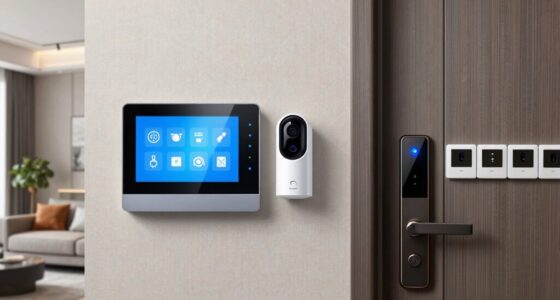
smart home device with end-to-end encryption
As an affiliate, we earn on qualifying purchases.
As an affiliate, we earn on qualifying purchases.
Frequently Asked Questions
Can Smart-Home Devices Be Hacked Remotely?
Yes, smart-home devices can be hacked remotely if they lack proper security measures. Hackers might exploit vulnerabilities in voice recognition systems or bypass weak device encryption. To protect yourself, make sure your devices have strong encryption and regularly update their firmware. Use strong, unique passwords and enable two-factor authentication when available. These steps help prevent unauthorized access and keep your smart-home environment secure from remote hacking attempts.
How Secure Are the Data Storage Methods Used?
Your data storage methods are as secure as a vault guarded by digital dragons. Most smart-home devices use data encryption, which scrambles your information, making it nearly impossible for hackers to decipher. However, the security also depends on how well manufacturers obtain user consent, ensuring you’re aware of and agree to data collection. Always check if the company prioritizes strong encryption and transparent privacy policies to keep your data safe.
Do Devices Have Automatic Privacy Updates?
Yes, many devices have automatic privacy updates. You should check the privacy settings to guarantee updates happen regularly, which helps protect your data. Devices with a high update frequency stay current with the latest security patches and privacy features, reducing vulnerabilities. By enabling automatic updates, you minimize manual intervention and keep your smart home safer, ensuring your privacy settings remain effective against emerging threats.
Are There Options to Disable Data Collection Entirely?
About 80% of smart devices allow you to disable data collection, giving you more control. You can often turn off data collection through settings that emphasize data encryption and user consent, ensuring your information stays private. Keep in mind, some devices may limit features if you disable data collection entirely. Always review privacy settings to confirm you’re comfortable with how your data is managed and protected.
What Are the Legal Protections Against Data Misuse?
You’re protected by legal safeguards like privacy policies that specify how your data is used and shared, and data encryption that secures your information from unauthorized access. These laws require companies to handle your data responsibly and give you rights to access or delete your data. However, it’s essential to read privacy policies carefully and stay informed about your rights, as protections can vary depending on the jurisdiction and company practices.
As an affiliate, we earn on qualifying purchases.
Conclusion
So, ask the right questions, understand the risks, and prioritize your privacy. Know what data your devices collect, how it’s stored, and who has access. Be cautious about sharing more than you need to. Protect your information, safeguard your home, and make informed decisions. Because your privacy isn’t just a feature—it’s a right. Stay aware, stay vigilant, and keep your smart home a safe, private space where technology works for you, not against you.
voice assistant with local voice recognition
As an affiliate, we earn on qualifying purchases.
As an affiliate, we earn on qualifying purchases.
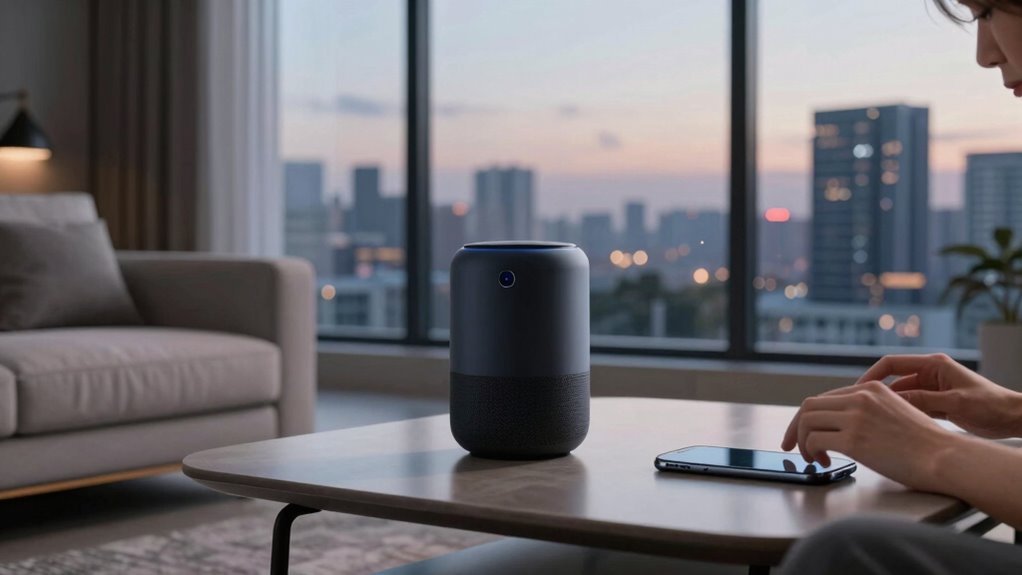
smart home security device with data control
As an affiliate, we earn on qualifying purchases.
As an affiliate, we earn on qualifying purchases.
NFL season / tailgating Picks
team gear
As an affiliate, we earn on qualifying purchases.