You can considerably improve indoor air quality by adopting simple habits like opening windows regularly to guarantee fresh air flow, keeping the environment clean with HEPA-filtered vacuuming, and using houseplants like snake plants and pothos to naturally filter toxins. Controlling humidity with dehumidifiers helps prevent mold and dust mites, while avoiding smoking and harsh chemicals reduces airborne pollutants. These practical, sustainable actions often work better than costly gadgets. Keep exploring to discover more effective ways to breathe easier at home.
Key Takeaways
- Regularly open windows to promote natural air circulation and reduce indoor pollutant buildup.
- Incorporate indoor plants like snake plants and peace lilies to naturally filter toxins and boost air quality.
- Maintain cleanliness with HEPA-filtered vacuuming and dusting to remove airborne particles effectively.
- Control indoor humidity around 40-50% to prevent mold growth and dust mites.
- Avoid indoor smoking, scented candles, and chemical-laden products for healthier, pollutant-free air.
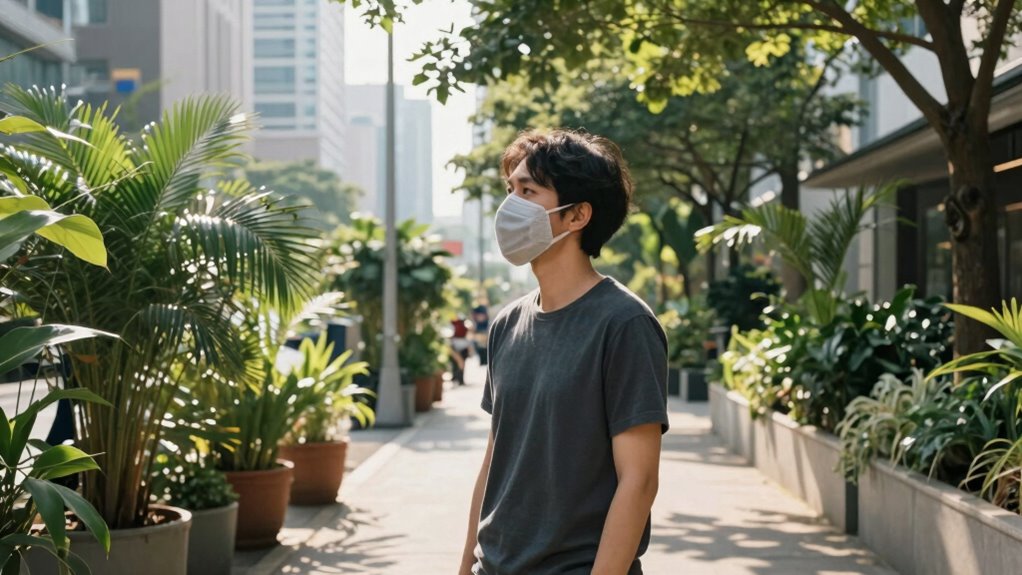
Clean air is essential for your health and well-being, yet pollution and indoor allergens threaten it daily. While gadgets like air purifiers can help, simple habits often make a more meaningful difference. One of the most effective ways is incorporating indoor plants into your living space. Not only do they add aesthetic value, but they also naturally filter toxins from the air. Plants like snake plants, pothos, and peace lilies absorb pollutants and release oxygen, creating a healthier environment. You don’t need a green thumb—just a regular watering schedule and some sunlight can keep them thriving and working for you. Plus, caring for indoor plants encourages mindfulness and reduces stress, making your home a calming sanctuary.
Indoor plants improve air quality, add beauty, and promote calm with minimal care.
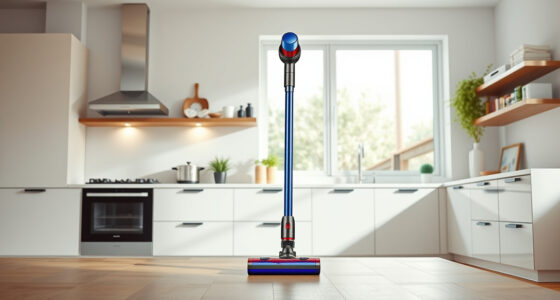
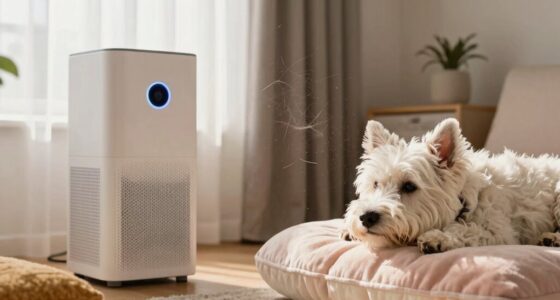
Alongside plants, practicing good ventilation is vital. Opening windows regularly allows fresh air to circulate, diluting indoor pollutants and reducing indoor humidity that fosters mold growth. If natural ventilation isn’t feasible, consider using exhaust fans or venting systems to improve air flow. This habit minimizes the buildup of allergens and volatile organic compounds (VOCs), which can cause respiratory issues or allergic reactions. It’s an easy, cost-effective way to keep indoor air fresh without relying solely on gadgets. Additionally, understanding indoor air quality factors can help you better identify sources of pollution and implement more targeted habits. When you are aware of common pollutants, you can take proactive steps to reduce exposure and protect your health. While air purifiers are popular, they shouldn’t be your only line of defense. Instead, pair them with habits that prevent pollution from accumulating in the first place. Keep your home clean by dusting and vacuuming regularly—using a vacuum with a HEPA filter can trap fine particles like pet dander, dust mites, and pollen. Avoid smoking indoors or burning scented candles, as these introduce additional pollutants and VOCs into your air. When shopping for household products, opt for natural or fragrance-free options to reduce airborne chemicals.
Another habit that greatly improves indoor air quality is controlling humidity levels. High humidity promotes mold growth and dust mites, while low humidity can cause dry skin and respiratory irritation. Use a dehumidifier or humidifier as needed, aiming for a comfortable level around 40-50%. This simple adjustment helps maintain a balanced environment, reducing allergens and improving overall air quality. Maintaining a healthy indoor environment also involves being mindful of sources of indoor pollution, such as certain cleaning agents or personal care products. Being conscious of indoor pollution sources can help you make better choices that contribute to cleaner air. Ultimately, these habits—incorporating indoor plants, ensuring proper ventilation, maintaining cleanliness, and controlling humidity—are more effective and sustainable than relying solely on gadgets like air purifiers. They foster a healthier home environment, promote better breathing, and require less ongoing maintenance or expense. When you prioritize these simple, consistent practices, you’re making a real impact on the quality of your indoor air, supporting your health every day.
HEPA filter vacuum cleaner
As an affiliate, we earn on qualifying purchases.
As an affiliate, we earn on qualifying purchases.
Frequently Asked Questions
How Long Do Natural Air Purifiers Take to Show Effects?
Natural air purifiers usually take a few days to a few weeks to show noticeable effects, depending on room size and pollutant levels. The natural purification timeline varies, but you should start noticing improvements within a week. Keep in mind, the air purifier’s longevity depends on proper maintenance, like cleaning or replacing filters. Consistently practicing clean-air habits accelerates results, making natural methods more effective over time.
Can Indoor Plants Significantly Improve Air Quality?
Indoor plants can greatly improve air quality if you choose the right plant varieties. Many plants, like snake plants and pothos, excel at air absorption, removing toxins and increasing oxygen levels. To see noticeable benefits, make certain proper placement and care. While plants alone won’t fully purify indoor air, they complement other habits, creating a healthier environment. Your effort in selecting and caring for these plants makes a real difference.
Are DIY Air Filtration Methods Effective Enough?
DIY air filtration can be surprisingly effective, acting like a homemade shield against pollutants. You can create natural filtering systems with simple materials like activated charcoal, HEPA filters, or even homemade scrubbers, which trap dust and toxins. While not as powerful as professional setups, these DIY purification methods considerably improve indoor air quality, especially when combined with good ventilation. They’re a practical step toward cleaner air without expensive gadgets.
How Often Should I Clean My Air Filters?
You should clean your air filters every 1 to 3 months, depending on usage and air quality. Regular cleaning extends the air filter lifespan and helps maintain peak performance. Keep an eye out for signs like reduced airflow or odors, which indicate it’s time for a replacement. Generally, replacement frequency varies between 3 to 6 months for most filters, but check your manufacturer’s guidelines for the best results.
Do Certain Household Activities Worsen Indoor Air Quality?
Yes, certain household activities can worsen indoor air quality. Household cleaning often releases volatile organic compounds (VOCs) and dust, while cooking fumes contain smoke, grease, and odors that linger in the air. Without proper ventilation, these activities can lead to poor air quality, affecting your health. To minimize this, use exhaust fans during cooking, open windows regularly, and clean surfaces often to reduce dust and chemical buildup.
indoor air purifying houseplants
As an affiliate, we earn on qualifying purchases.
As an affiliate, we earn on qualifying purchases.
Conclusion
By adopting these simple clean-air habits, you might find yourself breathing easier, feeling more energized each day. It’s funny how small changes—like opening a window or turning off a fan—can make your home feel more revitalized than any gadget ever could. Sometimes, the best way to clear the air is to let natural habits do their work. After all, a gust of fresh air often comes from the simplest actions we take.
dehumidifier for home
As an affiliate, we earn on qualifying purchases.
As an affiliate, we earn on qualifying purchases.
natural air fresheners
As an affiliate, we earn on qualifying purchases.
As an affiliate, we earn on qualifying purchases.