Hard water is a sneaky problem that can quietly age your appliances faster. It contains high minerals like calcium and magnesium, which leave deposits inside your appliances, causing clogs, reducing efficiency, and speeding up wear and tear. Over time, these mineral buildup can lead to costly repairs or replacements. By understanding how hard water affects your appliances, you can take simple steps to protect them. Keep going to learn how to prevent this hidden damage.
Open a free Amazon Business account
Business pricing, bulk buying and tax-exempt orders.
As an affiliate, we earn on qualifying purchases.
Key Takeaways
- Hard water deposits mineral buildup inside appliances, causing hidden damage over time.
- Mineral deposits clog filters and valves, reducing water flow and increasing strain on components.
- Hard water insulates heating elements, decreasing efficiency and accelerating wear.
- Hidden buildup leads to corrosion and internal component failure, shortening appliance lifespan.
- Lack of early detection allows damage to progress unnoticed, speeding up appliance aging.

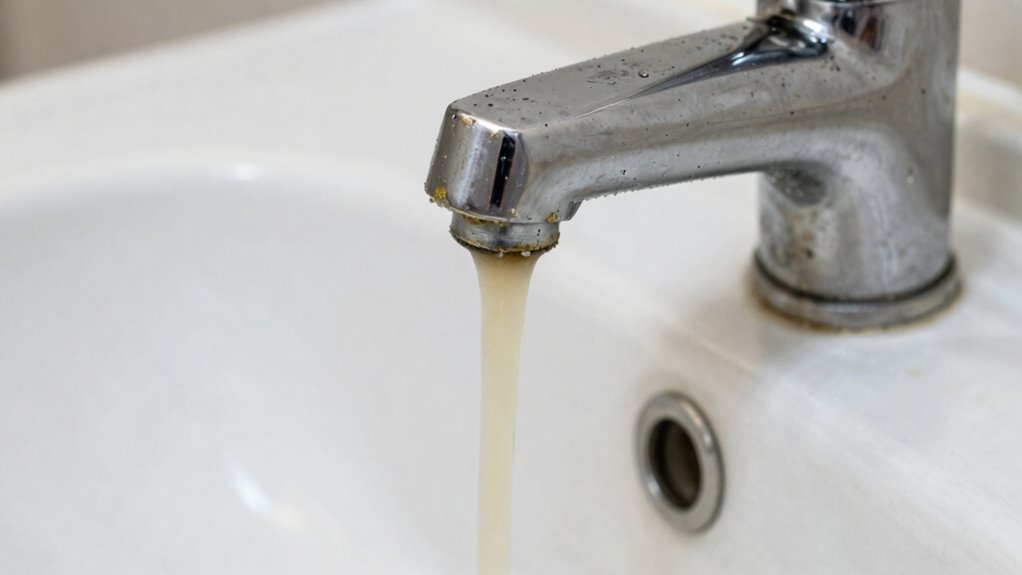
Poor water quality can accelerate the aging of your household appliances, leading to more frequent repairs and replacements. One of the primary culprits is hard water, which contains high levels of minerals like calcium and magnesium. When you use hard water in your appliances, these minerals don’t just pass through harmlessly—they leave behind deposits that can cause significant damage over time. Mineral buildup inside appliances like dishwashers, washing machines, and water heaters gradually clogs pipes, narrows flow paths, and hampers their efficiency.
You might notice your appliances starting to work less effectively long before they actually break down. Hard water causes mineral deposits to accumulate on heating elements, valves, and screens. This buildup creates a layer of insulation that makes it harder for appliances to heat water properly or perform their functions efficiently. For instance, in your dishwasher, mineral deposits on spray arms can block water flow, resulting in poorer cleaning. In your washing machine, mineral buildup on the drum or internal parts can cause excessive wear and tear, reducing its lifespan. Your water heater, already under stress, has to work harder to heat water, which increases energy consumption and accelerates component failure.
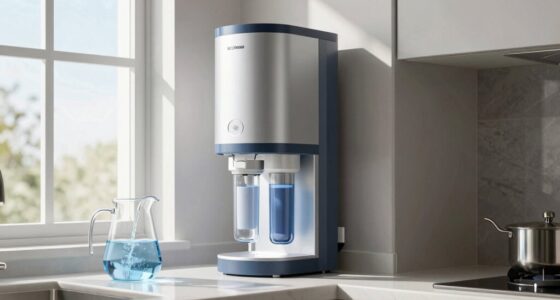
The problem worsens because mineral buildup isn’t always immediately visible, so you might not realize its impact until your appliances start malfunctioning. Over time, these deposits can cause parts to corrode or seize up completely, forcing you to replace costly components or even entire appliances prematurely. The damage isn’t limited to mechanical parts; mineral deposits can also clog filters and valves, leading to reduced water flow and pressure, which puts additional strain on your appliances’ motors and pumps. Additionally, poor water quality can contribute to the development of bacteria and mold, further compromising your appliance’s cleanliness and performance. Recognizing the effects of mineral buildup early and taking preventive measures can significantly extend your appliance’s lifespan. Implementing water testing can help identify issues with your water chemistry before they cause extensive damage. Using water treatment solutions like filtration systems can help mitigate these issues before they escalate. Understanding water chemistry is crucial for effectively addressing these problems and choosing the right solutions.
To protect your appliances, it’s essential to address the root of the problem—hard water. Installing water softeners can help remove excess minerals before they reach your appliances, extending their lifespan and improving their performance. Regular maintenance, such as descaling and cleaning, can also prevent buildup from becoming a severe issue. Ignoring the effects of hard water and mineral buildup might save you money upfront but will cost you more in repairs, replacements, and energy bills down the line. Recognizing the signs early and taking action can keep your appliances running smoothly for years to come, saving you time and money in the long run.
As an affiliate, we earn on qualifying purchases.
Frequently Asked Questions
Can Water Filtration Systems Prevent Appliance Aging Caused by Water Quality?
Yes, water filtration systems can prevent appliance aging caused by poor water quality. By ensuring filtration effectiveness, you reduce mineral buildup and corrosion that can damage appliances over time. Regular system maintenance keeps filters functioning properly, maintaining water quality and protecting your appliances. This proactive approach extends their lifespan, keeps them running efficiently, and saves you money on repairs and replacements caused by water-related wear and tear.
How Often Should Appliances Be Inspected for Water-Related Damage?
You should inspect your appliances regularly, ideally every six months, for water-related damage. During these inspections, perform water testing to identify any contaminants that could harm your appliances. Also, use leak detection methods to catch leaks early, preventing long-term damage. Regular checks help you catch issues early, saving money and extending the lifespan of your appliances. Don’t wait—consistent inspections keep your appliances running smoothly.
Are Certain Appliances More Vulnerable to Water Quality Issues Than Others?
Yes, certain appliances are more vulnerable to water quality issues. Dishwashers, washing machines, and water heaters face higher corrosion risks due to constant water exposure, especially when mineral buildup occurs from hard water. Over time, minerals can clog components and accelerate corrosion, leading to faster aging. Regular maintenance and water treatment can help reduce these risks, prolonging your appliances’ lifespan and keeping them functioning efficiently.
What Are the Signs of Appliance Aging Due to Poor Water Quality?
You’ll notice corrosion buildup on metal parts and scale deposits inside appliances like your dishwasher or water heater. These signs indicate aging caused by poor water quality. You might see mineral buildup, reduced efficiency, or strange noises. Over time, these issues lead to leaks or breakdowns. Regular maintenance and water treatment can help prevent this damage, extending your appliances’ lifespan and keeping them running smoothly.
Does Water Softening Reduce the Risk of Appliance Deterioration?
Yes, water softening reduces the risk of appliance deterioration. By removing minerals that cause buildup, softening prevents issues like corrosion and mineral deposits that can damage components over time. This process helps extend your appliances’ lifespan and improves efficiency. When you soften your water, you’re actively preventing mineral buildup and corrosion, giving your appliances better protection and reducing the need for costly repairs.
hard water mineral deposit remover
As an affiliate, we earn on qualifying purchases.
As an affiliate, we earn on qualifying purchases.
Conclusion
If you ignore water quality, your appliances suffer like delicate flowers in a harsh sun, aging faster than they should. Regular maintenance and water testing act as a shield, protecting your investments from unseen damage. Think of it as tending a garden—without proper care, even the strongest plants wilt prematurely. Don’t let poor water quality be the silent thief, quietly stealing years from your appliances. Stay vigilant, and keep your home running smoothly for years to come.
As an affiliate, we earn on qualifying purchases.
As an affiliate, we earn on qualifying purchases.
Fall Picks
fall essentials
As an affiliate, we earn on qualifying purchases.