TL;DR

Get home appliances delivered free with Prime
- Fast, free delivery on millions of items
- Prime Video, Amazon Music and more included
- Member-only deals all year
A comparison by The Ambient finds Tado X easier to install and stronger on automation, responsiveness and Matter support, while Honeywell Evohome offers lower-priced radiator valves and avoids an annual subscription. The report is a product comparison, not a newly announced product or independent market-wide test; total cost depends on the size of the home, system setup and whether Tado’s paid features are used.
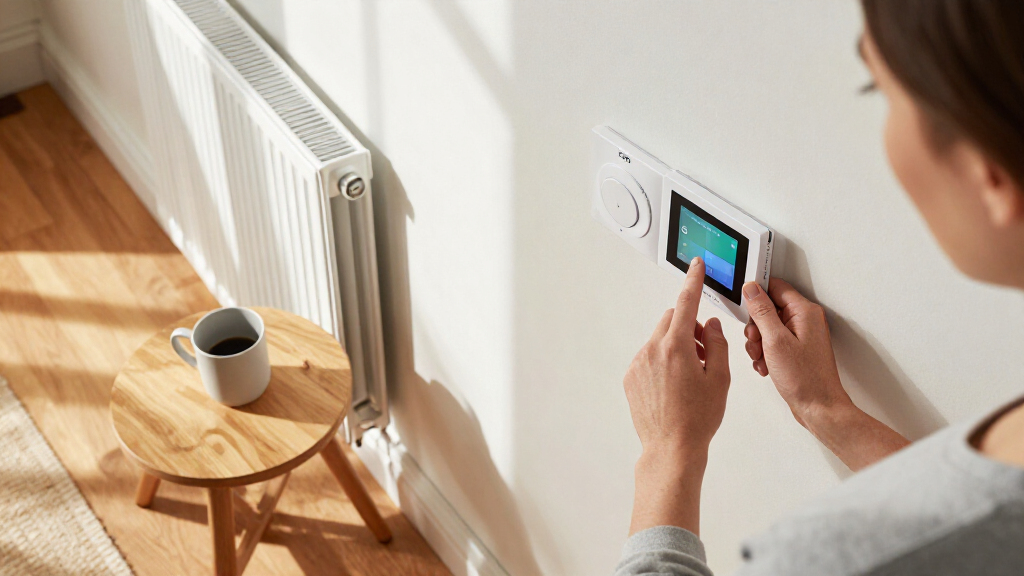
The Ambient’s comparison of Tado X and Honeywell Evohome finds that the newer Tado system is easier to install and offers more connected-home features, while Evohome has lower-priced radiator valves and no annual subscription. The differences matter to homeowners choosing room-by-room heating controls, where the best fit can depend on installation needs, existing boiler equipment and how many rooms require valves.
The report says Tado X is designed for do-it-yourself installation, with radiator-valve adaptors supplied and app-led instructions for boiler controls. Its valves calibrate after fitting, and the app allows users to assign devices to rooms. Honeywell recommends professional installation for Evohome, according to the comparison; changing zones later can require navigating a less accessible settings menu. Evohome can support up to 12 zones, though additional temperature sensors may be needed where airflow around a valve is obstructed.
The systems also differ in hardware and control. Tado X radiator thermostats use rechargeable USB-C battery packs, have a screen that rotates in 90-degree steps and are described by The Ambient as nearly silent. The report says older Evohome valves are louder, and its central controller looks dated and may need a firm press. Both can control underfloor heating using an additional relay and support external wireless temperature sensors. For boiler control, both support on/off operation and OpenTherm, but Evohome uses separate controllers for those options, the report says.
Pricing depends on the configuration. The source lists a Tado X starter kit at £159.99 and radiator thermostats at £79.99 each; key automation features, including geolocation and open-window detection, require a £29.99 annual subscription. Evohome radiator thermostats are listed at about £59 each, with a basic controller-and-boiler-switch setup around £215 before valves. The report also cites an eight-valve Evohome pack at £589. Those figures are the prices given in the source and may change; they do not establish which system will cost less for every home.
Installation and Running Costs
The choice affects more than the initial purchase. Per-room valve costs can add up across a large house, while Tado’s subscription adds a recurring charge for some of its automation. Evohome’s lower listed valve price may appeal to buyers expanding gradually, but its controller and boiler switch are separate upfront costs. A fair comparison should use the complete equipment list for the home, rather than the price of one valve or a starter kit alone.
Ease of setup also has practical consequences. The Ambient describes Tado X as more approachable for self-installation, but boiler wiring and heating-system compatibility can carry safety and technical requirements. The report says Honeywell recommends a professional for Evohome installation. Buyers should check the manufacturer’s instructions and use a qualified heating professional where the work or existing system calls for it.
For households using smart-home platforms, Matter support gives Tado X an advantage in compatibility, including with Apple Home, according to the report. But the comparison also describes limits: devices must be paired individually, and Matter does not expose some whole-system controls. Evohome can work with Alexa for whole-house heating controls and multi-zone routines, but it lacks Matter support. Platform compatibility, then, does not automatically mean every control is available in every app.
Products Worth Considering

Philips Hue Large Smart Light Tube, Black – White and Color Ambiance LED Color-Changing Light – 1 Pack
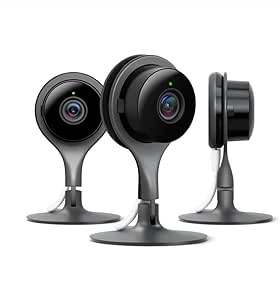
Google Nest Cam Indoor Security Camera, 3-Pack

Philips Hue Bridge Pro Smart Lighting Hub
As an affiliate, we earn on qualifying purchases.
Two Different Heating Approaches
Both products control heating by room, using smart radiator valves to adjust heat in individual areas rather than relying only on one thermostat for the whole home. The Ambient frames Tado X as the newer system, with a more modern app and connected features, and Evohome as an established platform whose hardware and interface show their age. That distinction is the comparison’s framing, not a claim that one system suits every property.
Tado X’s software features include Adaptive Heating, which the report says learns how long rooms take to warm, and Weather Adaptation for systems connected via OpenTherm. It also describes changes made in the app as nearly immediate over Thread. Evohome provides scheduled heating and quick modes such as eco and away; The Ambient says updates can take minutes to register. These are findings from the source’s testing, not a guarantee of identical performance in every home or network setup.
The comparison names Auto-Assist as the subscription feature for geolocation, allowing heating to respond to household members’ locations. It also says Evohome has no built-in geofencing. Both systems offer window-related detection, but Tado’s relevant automation is among the features tied to its paid service, as described in the report. The source supplies no publication date, so the listed prices and feature descriptions should be checked against current manufacturer information before purchase.
““Tado X is the smarter system.””
— The Ambient, in its Tado X vs Honeywell Evohome comparison
Costs and Compatibility Depend on Setup
The source provides example prices but no date for those prices, and equipment costs can vary by retailer and system configuration. It does not calculate a like-for-like total for homes with different numbers of rooms, boiler types or installation needs. The stated subscription price and the features it covers should be verified with Tado before a purchase.
The comparison’s performance findings reflect The Ambient’s testing; it does not provide detailed test conditions, measurements or results for every boiler and home layout. It also does not establish how all third-party smart-home integrations perform across software versions. Tado X’s Matter support has stated functional limits in the report, and buyers should confirm that their chosen platform supports the controls they want.
The source excerpt ends partway through its smart-home discussion. It describes Tado’s limits on system-wide modes through Matter and some Alexa capabilities for Evohome, but does not provide a complete account of every integration or later product update. Current availability, compatibility and support status remain matters to verify with the manufacturers.
Check the System Before Buying
Anyone comparing the two should first check boiler compatibility, the number of rooms to control and whether underfloor heating or additional sensors are needed. Those details determine the actual equipment list and can change the cost comparison. Tado X buyers should also decide whether the subscription-dependent features justify a recurring payment; Evohome buyers should confirm which boiler controller is appropriate.
Before ordering, verify current prices and product support with Tado, Honeywell or an authorised retailer. For boiler wiring or other work requiring technical expertise, follow manufacturer guidance and arrange professional installation when recommended or required. The Ambient’s report gives a snapshot of the two systems’ trade-offs; it does not announce a new product or settle which option is best for every household.
Key Questions
Which system does The Ambient rate more highly for smart features?
The comparison favors Tado X for features including Adaptive Heating, geolocation through Auto-Assist and faster app changes over Thread. The Ambient describes Evohome as more focused on schedules and quick modes. These are the publication’s findings from its testing, not a guarantee for every setup.
Which system has the lower listed radiator-valve price?
The source lists Evohome valves at about £59 each, compared with £79.99 for a Tado X radiator thermostat. But an Evohome starter setup also needs a controller and boiler switch, while Tado X has a £159.99 starter kit. The total depends on the number of rooms and required equipment.
Does Tado X require a subscription?
The Ambient says Tado charges £29.99 a year for features such as geolocation and open-window detection. Buyers should check Tado’s current terms and confirm which functions are included without a subscription.
Can both systems work with smart-home platforms?
The comparison says Tado X supports Matter and works with Apple Home, while Evohome does not support Matter. It also describes Alexa controls for Evohome. The report notes that Matter has limits for Tado system-wide modes and that devices need to be paired individually.
Is Tado X easier to install?
The Ambient describes Tado X as suitable for DIY installation, with supplied adaptors and app instructions. It says Honeywell recommends professional installation for Evohome. Boiler controls and wiring can depend on the existing heating system, so check manufacturer guidance and use a qualified professional when appropriate.
Source: the-ambient.com