
Voice assistants constantly listen for wake words and store your voice recordings, which raises privacy concerns. While companies implement security measures, data breaches can still happen, risking your private conversations. You can control privacy by adjusting settings or muting devices, helping to protect your information. Being aware of how your voice data is collected and used is key to balancing convenience and privacy. If you want to know how to manage these risks, keep exploring further.
Key Takeaways
- Continuous listening for wake words raises privacy concerns about unintended recordings.
- Voice data storage and security measures may be vulnerable to hacking or data breaches.
- Users should review and customize privacy settings to limit data collection and storage.
- Disabling microphones or muting devices can protect sensitive conversations from accidental recording.
- Being aware of data policies and actively managing permissions helps balance convenience with privacy.
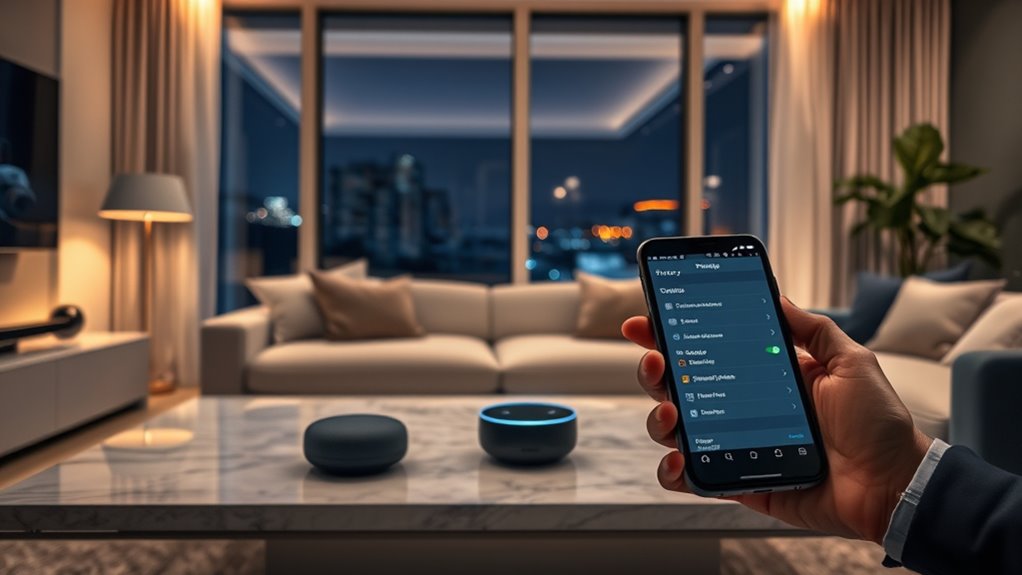
Voice assistants have become a staple in many households, offering convenience and hands-free control over daily tasks. From setting reminders to playing music, these devices simplify your life. But as you enjoy the ease they bring, it’s important to consider the privacy implications. One key concern revolves around data security. Voice assistants constantly listen for wake words, which means they are always ready to record your commands. This continuous listening raises questions about how securely your voice data is stored and protected from potential breaches. If unauthorized parties gain access to your recordings, your private conversations could be exposed, leading to privacy violations. Companies claim to implement robust security measures, but no system is entirely immune to hacking or data leaks. That’s why understanding how your data is managed is essential to safeguarding your privacy.
Voice assistants constantly listen, raising concerns about data security and privacy breaches.
Another essential aspect is user consent. When you set up a voice assistant, you typically agree to the device’s terms of service, which often include clauses about data collection and usage. However, these agreements can be lengthy and complex, making it easy to overlook how much information is being gathered. It’s important to stay informed about what you’re consenting to. Many devices now offer options to customize privacy settings, such as disabling voice recordings or deleting stored data. Taking advantage of these options empowers you to control your information and reduce the amount of data stored about you. Being proactive about user consent also means regularly reviewing privacy settings and staying updated on any policy changes by the service providers.
Additionally, you should be aware of when your voice assistant is actively listening and when it isn’t. Some devices allow you to mute or turn off the microphone entirely, giving you peace of mind that your conversations aren’t being recorded unintentionally. It’s advisable to do this whenever you’re discussing sensitive matters or simply want to ensure your privacy. Remember, while voice assistants are designed to make your life easier, they operate by collecting and processing your data to improve their services. That’s why understanding data security and actively managing user consent are fundamental steps in protecting your privacy. Moreover, juice cleanse and detox tips highlight that mindful practices—like managing your data—are essential for overall well-being in today’s digital age.
In the end, it’s about balancing convenience with caution. Stay informed about how your voice assistant handles data, take control of your privacy settings, and be mindful of what you share. By doing so, you can enjoy the benefits of these smart devices without sacrificing your personal privacy.
Frequently Asked Questions
Can Voice Assistants Be Hacked to Listen in on Private Conversations?
You’re wondering if voice assistants can be hacked to listen in on private conversations. The answer is yes; voice hacking is a real risk, raising serious privacy concerns. Hackers can exploit vulnerabilities in the device or network to access your voice data without your knowledge. To protect yourself, regularly update your device, use strong passwords, and disable voice activation when not in use. Stay vigilant to safeguard your privacy.
How Long Do Companies Keep Recordings of My Voice Commands?
You might wonder how long companies keep your voice data. Typically, voice data retention varies by company and is detailed in their privacy policies. Some keep recordings for a few days or weeks for quality improvement, while others store them longer. Always review privacy policies to understand how your voice commands are handled. If you’re concerned, you can usually delete your recordings or adjust settings to limit data retention.
Are Voice Assistants Anonymous or Do They Track My Personal Data?
You might wonder if voice assistants are truly anonymous or if they track your personal data. Usually, companies use voice anonymization techniques to hide your identity and data encryption to protect your information. While these measures help keep your data secure, some details may still be stored or analyzed to improve services. Stay cautious and review privacy policies to understand how your voice data is handled and protected.
What Are the Risks of Voice Assistants Sharing Data With Third Parties?
Oh, the irony—you trust your voice assistant to keep secrets, yet it shares your data with third parties. The risks of data sharing are real; third-party access means your personal info can be used for targeted ads or even sold. You might think your voice stays private, but in reality, your data’s exposure grows every time you ask a question. Stay cautious—trustless data sharing isn’t as harmless as it seems.
Can I Permanently Delete My Voice Recordings From Service Providers?
You can usually delete your voice recordings from service providers through user control settings. Check your account or privacy settings to find options for managing voice data retention. While some companies allow permanent deletion, others may retain recordings for a certain period due to data policies. Regularly reviewing these settings gives you better control over your voice data, helping you protect your privacy and manage your digital footprint effectively.
Conclusion
So, now that you know how voice assistants collect and use your data, do you really want to risk your privacy? While they offer convenience, it’s essential to stay cautious and set boundaries. Are you comfortable with the idea of constant listening, or will you take steps to protect yourself? Remember, staying informed and proactive is your best defense. Ultimately, it’s your choice—should you trust these devices with your personal life?