
TL;DR
BMW has produced its 2 millionth fully electric vehicle, a BMW i5 M60 xDrive. The company is also expanding its focus on integrating EVs into smart home energy systems, including bidirectional charging and partnerships with SolarWatt.
BMW has produced its 2 millionth fully electric vehicle, a BMW i5 M60 xDrive sedan delivered to a customer in Spain, marking a significant milestone in its EV production.
The milestone was reached at BMW’s Plant Dingolfing, which began EV production in 2021 with the BMW iX. Since then, the plant has produced over 320,000 electric vehicles, including the i5, i7, and iX models. While electric vehicles constitute a growing segment, they still represent roughly one in six of BMW’s total car output.
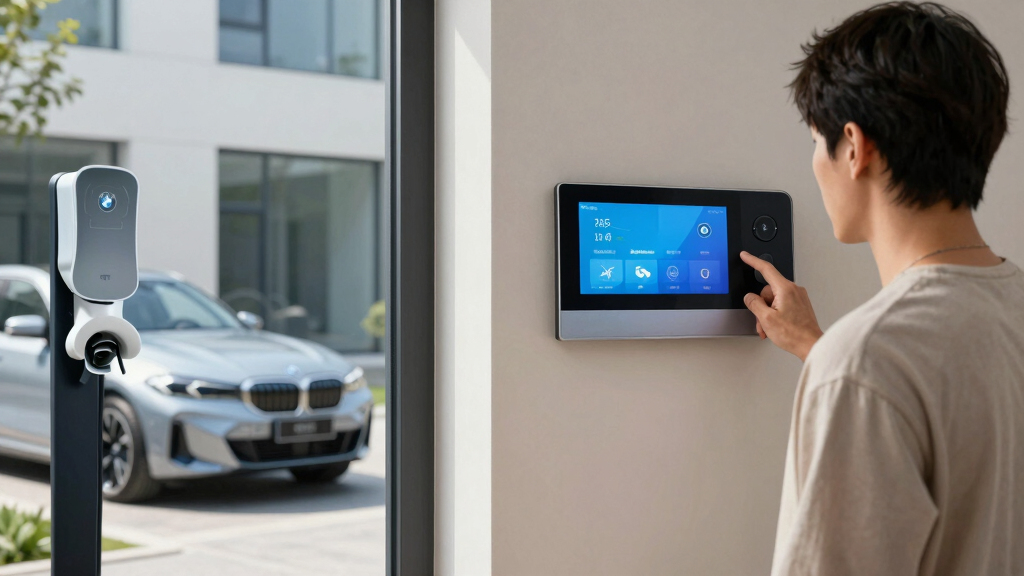
In addition to manufacturing milestones, BMW announced an expansion of its smart energy initiatives. The automaker is partnering with SolarWatt to develop bidirectional charging and vehicle-to-home (V2H) technology, initially available on the BMW iX3 and i3 models. These vehicles can now be integrated into household energy management systems, allowing energy stored in EVs to be used for home consumption or grid support.
The company plans to launch the integrated V2H system in late 2026 across Germany, Austria, and the Netherlands, enabling customers to optimize energy use alongside solar and home storage solutions.
Implications of BMW’s EV and Smart Home Expansion
BMW’s production milestone underscores its growing role in the global EV market, while its push into smart home energy integration signals a shift toward holistic energy ecosystems. This development could influence industry standards, promote wider adoption of vehicle-to-grid and vehicle-to-home technologies, and accelerate the transition to sustainable energy use within residential settings.
As an affiliate, we earn on qualifying purchases.
BMW’s EV Growth and Smart Energy Initiatives
Since starting EV production in 2021, BMW has steadily increased its electric vehicle output, reaching 2 million units in 2026. The company’s focus has been on expanding its electric lineup, including the i5, i7, and iX models, with production primarily at Plant Dingolfing. Meanwhile, industry trends are moving toward integrating EVs with renewable energy sources and smart home systems, a direction BMW is actively pursuing through partnerships like with SolarWatt.
Previous efforts in vehicle-to-grid technology have been limited to Germany, but BMW’s latest announcement indicates a broader rollout planned for late 2026, reflecting a strategic move into the energy management space.
“The market launch for the integration of bidirectional BMW vehicles into SolarWatt’s new home energy management system is planned for late 2026 in Germany, Austria, and the Netherlands.”
— BMW spokesperson
As an affiliate, we earn on qualifying purchases.
Uncertainties About Market Adoption and Technology Rollout
Details remain unclear on how quickly consumers will adopt the new vehicle-to-home technology, and whether other markets beyond Germany, Austria, and the Netherlands will follow in the near term. Specific plans for broader global rollout or integration with other energy providers have not been announced.
As an affiliate, we earn on qualifying purchases.
Next Steps for BMW’s EV and Smart Home Strategy
BMW will likely begin pilot programs in late 2026 to test and refine its vehicle-to-home systems, with wider commercial availability expected afterward. Monitoring customer feedback and regulatory developments will be key to assessing the technology’s future expansion.
BMW smart home energy integration
As an affiliate, we earn on qualifying purchases.
As an affiliate, we earn on qualifying purchases.
Key Questions
What does reaching 2 million EVs mean for BMW’s market position?
This milestone demonstrates BMW’s significant growth in electric mobility, positioning it as a major player among traditional automakers expanding into EVs.
How will BMW’s smart home energy integration work?
It involves bidirectional charging and the use of SolarWatt’s home energy management system, allowing EVs to serve as energy storage for households and grid support.
When will vehicle-to-home technology be available to customers?
The company plans to launch the integrated V2H system in late 2026 in select European markets.
Will this technology be available outside Europe?
It is not yet confirmed, but future expansion beyond initial markets may depend on regulatory approval and market demand.
What models will support vehicle-to-home features?
The BMW iX3 and BMW i3 are the initial models planned for V2H integration, with potential expansion to other models in the future.
Source: CleanTechnica