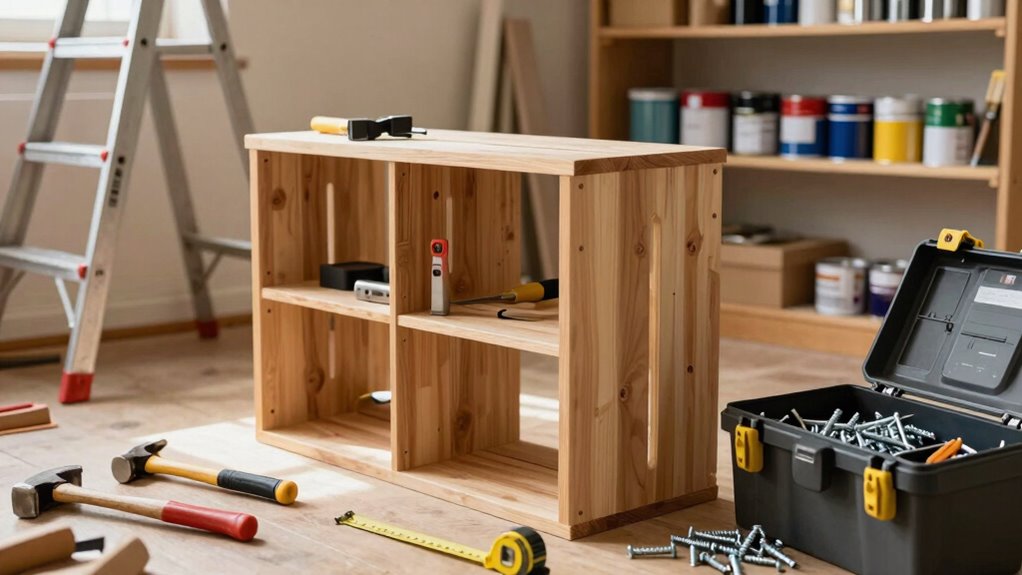

To avoid common DIY project escalations, focus on careful planning, safety, and honest skill assessment. Set a clear budget and list all tools and materials needed before starting. Follow safety precautions like wearing gloves and goggles to prevent accidents. Know your limits; hire professionals if a task requires specialized skills or tools. Staying organized and realistic throughout helps prevent delays and costly mistakes. Keep these strategies in mind—more tips to guarantee your project goes smoothly are just ahead.

Get home appliances delivered free with Prime
- Fast, free delivery on millions of items
- Prime Video, Amazon Music and more included
- Member-only deals all year
Key Takeaways
- Plan thoroughly and break the project into manageable steps to prevent surprises and delays.
- Check all tools and materials for safety and availability before starting to avoid interruptions.
- Set a realistic budget and avoid impulse purchases to prevent financial overruns.
- Know your skill limits and involve professionals for complex tasks to prevent costly mistakes.
- Follow safety guidelines consistently to prevent accidents that can halt progress.
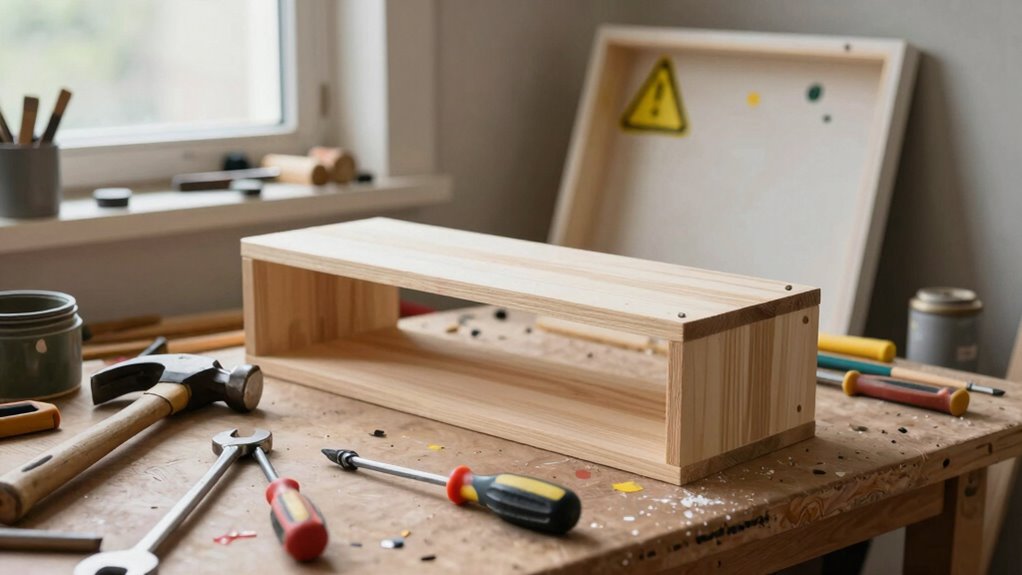
Have you ever started a DIY project only to find it spiraling out of control? It’s a common frustration that can turn a fun, rewarding task into a stressful ordeal. One of the main reasons projects escalate is because of overlooked details—especially safety and finances. When you rush into a project without considering tool safety, you risk accidents that not only delay progress but can also cause injuries that sideline you completely. Always check that your tools are in good condition and use the right safety gear, like gloves and goggles. Taking these precautions keeps you safe and prevents unexpected setbacks.
Overlooking safety details can cause accidents and setbacks—always inspect tools and wear proper gear to stay protected.
Budget management is another vital factor. It’s easy to get carried away buying every tool or material you think you might need, but this often leads to overspending and project stalls. Set a clear budget before you start and stick to it. Research costs upfront so you’re not caught off guard by hidden expenses. Create a detailed list of what’s necessary and avoid impulse purchases. If you find yourself tempted to splurge, remind yourself of your financial limits and see if there are cheaper alternatives that still meet your needs. Proper budget planning**** keeps your project on track financially and prevents it from spiraling into unmanageable debt or abandoned plans.
Planning is essential to avoid escalation. Take time at the beginning to map out each step of the project. Break it into manageable phases, and confirm you have all the tools and materials before you start. Rushing in without a plan often leads to mistakes that require additional materials and time, boosting costs and complicating the process. Keep a checklist to monitor progress and identify potential issues early. This way, you’re less likely to find yourself halfway through and realizing you’re missing a vital part or tool. Additionally, understanding project scope helps you stay realistic about what can be accomplished within your resources and timeframe. Recognizing your skill level and limitations is equally important to prevent overestimating what you can achieve safely and effectively. Remember, taking the time to research and gather knowledge about the specific project can also help you avoid costly errors and unforeseen complications.
Another way to prevent escalation is to recognize your limits. Know when to call in professionals for tasks that require specialized skills or tools beyond your experience. Attempting complex work without the right expertise can result in damage that’s costly to repair and a project that drags on indefinitely. Being honest about your capabilities helps you stay within your comfort zone and prevents issues from snowballing due to mistakes.
Ultimately, staying focused on tool safety, managing your budget wisely, and planning thoroughly can help you keep your DIY project on track. These steps reduce the risk of unexpected complications that often turn a simple task into a major hassle. When you approach your project with preparation and caution, you’re more likely to enjoy the process and finish with a result you’re proud of—without the stress of escalation along the way.
DIY safety goggles and gloves set
As an affiliate, we earn on qualifying purchases.
As an affiliate, we earn on qualifying purchases.
Frequently Asked Questions
How Do I Determine My Skill Level Before Starting a Project?
To determine your skill level before starting a project, perform a skill assessment by honestly evaluating your experience with similar tasks. Review tutorials or guides to gauge your comfort with required tools and techniques. Incorporate this into your project planning, setting realistic goals based on your abilities. If you’re unsure, consider practicing on scrap material first or consulting tutorials to build confidence and avoid potential mistakes.
What Safety Gear Is Essential for Various DIY Projects?
In a flash, you realize safety gear is your best friend on any DIY adventure. Essential safety equipment includes goggles or safety glasses to shield your eyes, gloves to protect your hands, and a dust mask or respirator for airborne particles. Hearing protection is crucial when using loud tools, and a sturdy apron or protective clothing keeps your skin safe. Always assess the project and wear the appropriate protective gear to keep yourself safe.
How Can I Estimate the Total Cost Accurately?
To estimate your total cost accurately, start with budget planning by listing all necessary materials and tools. Research prices and compare options to guarantee you select quality materials within your budget. Factor in potential extras like delivery fees or tool rentals. Keep a contingency fund for unforeseen expenses. This approach helps you stay on track financially, avoiding surprises and ensuring your DIY project stays within your planned budget.
When Should I Consider Hiring a Professional Instead?
You should consider hiring a professional when your project involves complex tasks, safety concerns, or specialized skills. During budget planning, if costs for materials and tools seem to surpass your comfort zone or estimated budget, it’s wise to bring in an expert. Also, if material selection feels overwhelming or you’re unsure about the quality, a professional’s advice can guarantee durability and safety, saving you time and potential costly mistakes.
What Are Common Signs of Project Completion Issues?
You might notice project completion issues if your work shows inconsistent material selection or seems rushed, indicating poor time management. Look for signs like unfinished tasks, mismatched finishes, or missed deadlines. These problems often stem from rushing or choosing incompatible materials. To prevent this, plan your project carefully, allocate enough time, and guarantee your material choices align throughout. Staying organized helps you finish your project smoothly without costly setbacks.
As an affiliate, we earn on qualifying purchases.
Conclusion
Remember, even Icarus soared too close to the sun, risking it all for a glimpse of greatness. Your DIY projects can similarly fly high or crash if you ignore the warning signs. Stay vigilant, plan carefully, and don’t rush into the unknown. By avoiding common pitfalls, you’ll craft something that’s not only functional but also a tribute to your patience and skill. Keep your wings steady—success often hinges on the lessons learned from near-misses.
budget planning for DIY projects
As an affiliate, we earn on qualifying purchases.
As an affiliate, we earn on qualifying purchases.
professional tools for home repairs
As an affiliate, we earn on qualifying purchases.
As an affiliate, we earn on qualifying purchases.
Fall yard work Picks
leaf blowers
As an affiliate, we earn on qualifying purchases.