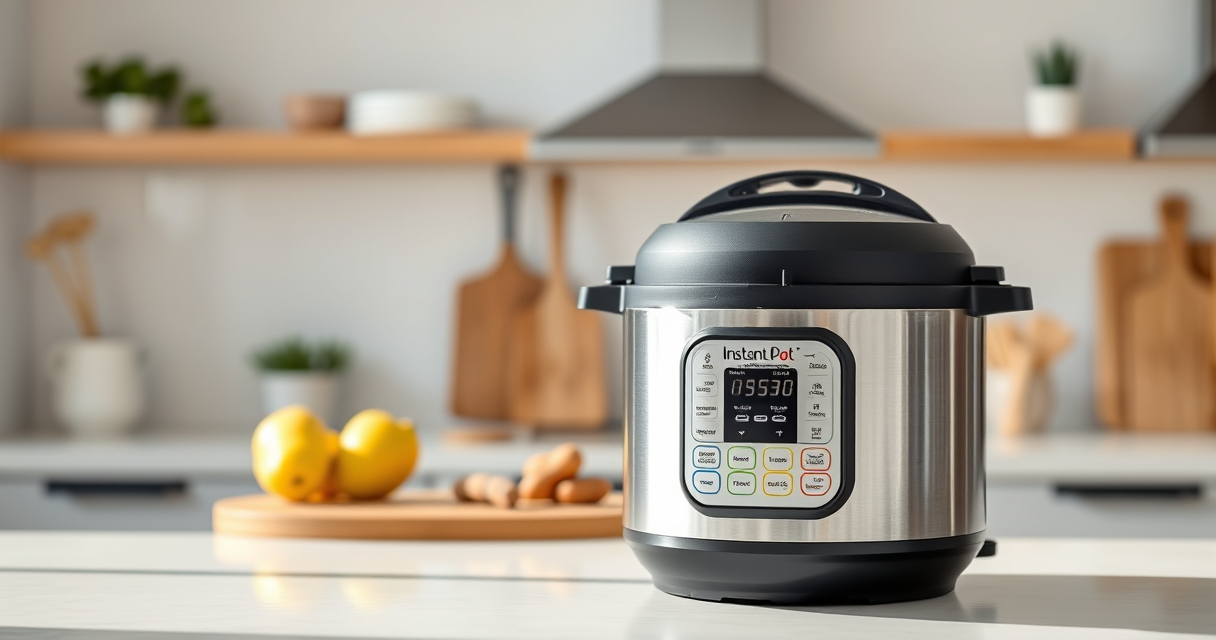

If your Instant Pot 4QT RIO Mini isn’t sealing properly, it can prevent pressure from building up, leading to incomplete cooking or safety concerns. Fortunately, most sealing issues are fixable with some simple troubleshooting steps and proper maintenance. This guide provides clear, safe instructions to help you restore your pressure cooker’s sealing ability quickly and effectively.

Get home appliances delivered free with Prime
- Fast, free delivery on millions of items
- Prime Video, Amazon Music and more included
- Member-only deals all year
Follow these steps carefully, and ensure you handle parts safely to keep your kitchen and device secure while troubleshooting.
Key Takeaways
| Check the sealing ring | A worn or misaligned sealing ring often causes sealing issues. |
| Inspect the lid and gasket | Clean and reposition the lid and gasket for proper sealing. |
| Ensure the float valve is clean | Blockages can prevent the lid from sealing tightly. |
| Verify the lid is properly closed | Misalignment or incomplete closure can stop sealing. |
Step 1: Turn Off and Unplug Your Instant Pot
Before starting any troubleshooting, ensure the Instant Pot is turned off and unplugged to avoid accidental activation or injury. Allow the device to cool if recently used.
Step 2: Check and Remove the Sealing Ring
- Open the lid carefully and remove the sealing ring from the lid.
- Inspect the ring for cracks, tears, or deformation. If damaged, replace it with a new one.
- Clean the ring with warm, soapy water and dry thoroughly.
Step 3: Ensure Proper Lid Alignment and Closure
- Position the lid correctly, aligning the markings and locking it into place securely.
- Make sure the lid is fully closed; it should click or lock into position.
Step 4: Clean the Float Valve and Vent
Remove the float valve and check for any debris or food particles blocking it. Clean gently with a soft brush or cloth. Confirm the vent is clear and unobstructed.
Step 5: Test the Seal
Reassemble the lid with a fresh or cleaned sealing ring, close it securely, and try to build pressure. If it still doesn’t seal, check the lid gasket seating and the condition of the lid itself.
The Products in This Guide

Instant Pot 4QT RIO Mini 7-in-1 Multi-Cooker
- ✔ Power: 1000W
- ✔ Warranty: 1 Year
- ✔ Included: User manual, sealing ring

AOZITA Steamer Basket
- ✔ Capacity: Two-tier
- ✔ Color: Silver
- ✔ Compatibility: 6 qt and 8 qt models
Instant Pot 4QT RIO Mini 7-in-1 Multi-Cooker
The Instant Pot 4QT RIO Mini combines multiple cooking functions in a small, easy-to-store device. Its anti-spin lid design helps ensure a good seal, but regular maintenance of the gasket and lid parts is key to preventing sealing issues.
Pros:
- 7-in-1 functionality
- Compact and space-saving
- Easy to monitor cooking progress
- Versatile cooking options
Cons:
- Small capacity not suitable for large families
- Gasket wear over time can cause sealing issues
- Requires regular cleaning for optimal performance
Best for: Small households, students, or anyone with limited kitchen space
Not ideal for: Large families or those needing bigger capacity
Bottom line: A versatile, space-saving pressure cooker suitable for small servings but requires regular gasket maintenance.
AOZITA Steamer Basket
The AOZITA Steamer Basket enhances your Instant Pot’s utility by allowing you to steam, steam multiple foods simultaneously, and strain ingredients easily. It’s a helpful accessory for diverse recipes.
Pros:
- Two-tier stackable design
- Made of durable stainless steel
- Fits 6 and 8-quart models
- Easy to clean
Cons:
- Adds extra cleaning step
- Requires space in the pot for stacking
- Not compatible with all models
Best for: Steaming vegetables, seafood, and multi-step cooking
Not ideal for: For those who prefer single-level steaming or minimal accessories
Bottom line: A versatile steaming basket that maximizes your Instant Pot’s cooking capacity and variety.
Frequently Asked Questions
Why is my Instant Pot not sealing properly?
Common reasons include a damaged or misaligned sealing ring, debris blocking the float valve, or improper lid closure. Regular cleaning and inspection often resolve these issues.
How often should I replace the sealing ring?
It’s recommended to replace the sealing ring every 12-18 months, or sooner if you notice cracks, tears, or persistent odors that won’t go away after cleaning.
Can I use a silicone sealing ring instead of the rubber one?
Silicone rings are available for some models and can be used, but make sure they are designed for your specific Instant Pot model and size for best sealing performance.
What safety precautions should I take when fixing my Instant Pot?
Always unplug the device before inspecting or cleaning. Allow it to cool completely, handle parts gently, and avoid forcing components that seem stuck or misaligned.
Getting Your Instant Pot Sealing Perfectly Again
With some careful inspection and cleaning, most sealing issues can be resolved quickly, restoring your Instant Pot’s pressure-cooking capabilities. Regular maintenance of the sealing ring, lid, and float valve will help prevent future problems and keep your device safe and effective for years to come.
Remember to always follow safety guidelines when troubleshooting, and replace worn parts as needed to ensure a secure seal every time you cook.
Affiliate disclosure: As an Amazon Associate we earn from qualifying purchases. Prices and availability are accurate as of the time of publishing.
Fall Picks
fall essentials
As an affiliate, we earn on qualifying purchases.