
To build a smart home that feels simple, start with voice control for hands-free management of lights and thermostats. Focus on core devices like smart bulbs and thermostats first, which are easy to install and use. Add more devices gradually and choose products compatible with one platform to avoid chaos. Create routines to automate tasks and prioritize security. Keep everything standardized for seamless operation. If you keep exploring, you’ll find ways to make your system even smarter and easier to manage.
Listen free for 30 days with Audible
Thousands of audiobooks and originals — cancel anytime.
As an affiliate, we earn on qualifying purchases.
Key Takeaways
- Start with voice control and basic devices like smart lighting and thermostats for easy management.
- Add new devices gradually, ensuring they are compatible with your existing ecosystem.
- Focus on intuitive routines that automate multiple devices for simplicity.
- Prioritize secure, standardized products to prevent technical issues and enhance user experience.
- Keep device management straightforward by limiting the number of apps and integrations.

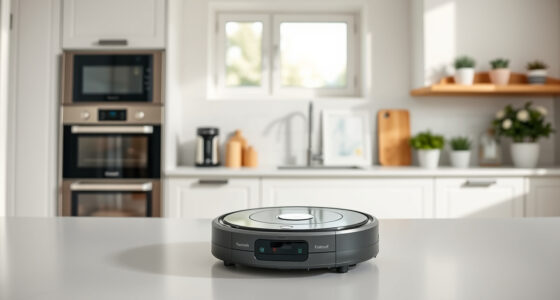
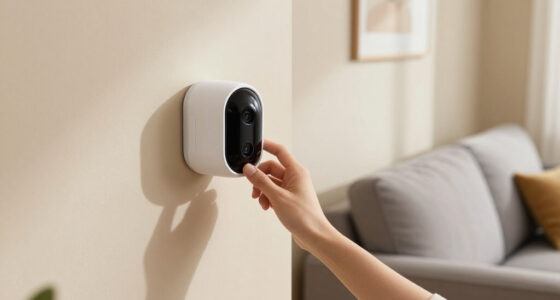
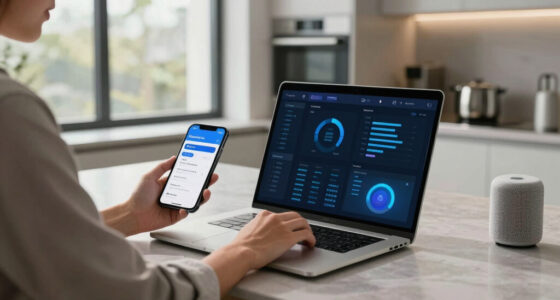
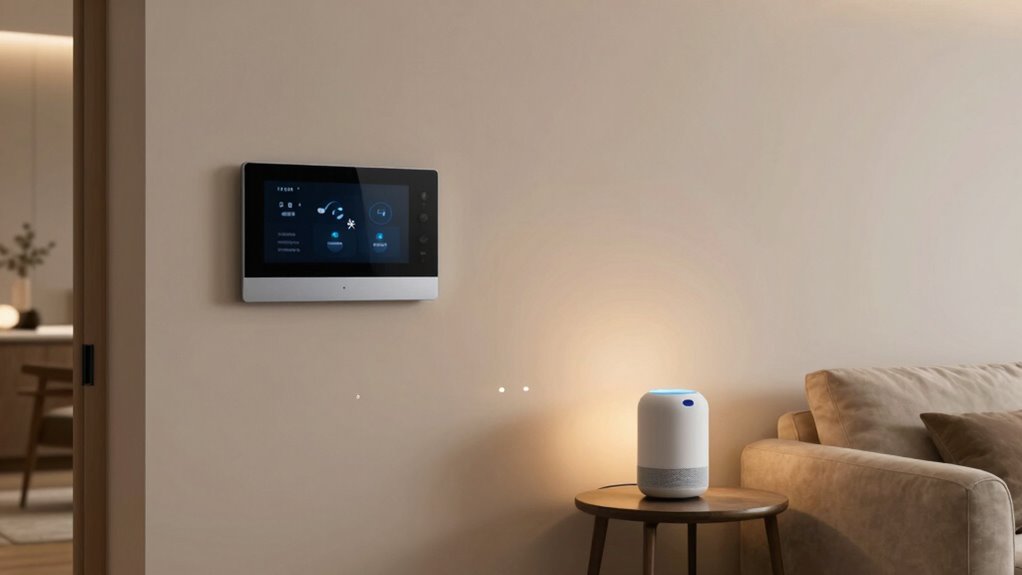
Ever wondered how to transform your house into a smart home? The idea of integrating technology to make daily life more convenient can seem overwhelming at first, but it doesn’t have to feel complicated. The key is to start simple and focus on systems that genuinely improve your comfort and efficiency. Voice control is a perfect starting point, because it allows you to manage devices hands-free, making your home feel more intuitive without adding clutter or complexity. With a smart speaker or voice assistant, you can turn on lights, adjust the thermostat, or play music just by speaking. This technology not only streamlines your routines but also creates a sense of seamless control that’s easy to learn and use. Plus, voice control can help enhance energy efficiency by allowing you to quickly turn off unused lights or appliances, reducing waste and lowering utility bills. To avoid overcomplicating things, pick a few core features you want to automate first. For example, start with smart lighting and thermostats. These devices are straightforward to install and offer immediate benefits. Smart bulbs can be controlled via voice commands or apps, and many can be programmed to turn on or off at specific times, helping you save energy without much effort. A smart thermostat learns your schedule and adjusts temperature settings accordingly, which keeps your home comfortable and reduces energy consumption. By focusing on these basics, you get a tangible upgrade that feels powerful but isn’t intimidating to operate. As you get comfortable, you can add more devices gradually, like smart locks or security cameras, without feeling overwhelmed. Another way to keep your smart home simple is to choose devices that work with a single ecosystem or platform. Many brands now offer compatible products, so you don’t have to juggle different apps or systems. This cohesion makes managing your devices more intuitive and reduces the risk of technical hiccups. Also, consider automation routines that combine multiple devices. For instance, setting a “Good Night” routine that turns off all lights, locks doors, and adjusts the thermostat can be done with a single command, streamlining your evening routine. As technology advances, the integration of smart devices continues to make smart homes more accessible and user-friendly for everyone. Incorporating compatible products can further simplify the management process, making it easier for you to enjoy a cohesive smart home experience. Additionally, selecting devices with interoperability ensures that your system remains flexible as new technologies emerge. Understanding the importance of standardization can help you choose devices that work smoothly together and avoid compatibility issues. A well-designed smart home also considers security protocols to protect your data and ensure safe operation of connected devices. Building a smart home doesn’t have to feel overwhelming. By starting with voice control, focusing on energy-efficient devices, and integrating your systems under one platform, you create a setup that’s both manageable and meaningful. The goal is to enhance your daily life with technology that’s easy to use, not to complicate it. With patience and a clear plan, you’ll enjoy a smarter, more comfortable home without the stress.
smart home voice control devices
As an affiliate, we earn on qualifying purchases.
As an affiliate, we earn on qualifying purchases.
Frequently Asked Questions
How Much Does Setting up a Smart Home Typically Cost?
Setting up a smart home typically costs around $1,000 to $3,000, but it varies based on your budget planning and desired devices. You should consider device compatibility to guarantee everything works seamlessly. Start small with essential gadgets like smart speakers or thermostats, then expand gradually. Keep an eye on sales and bundle deals to save money, making your smart home both affordable and straightforward to manage.
What Are the Best Beginner-Friendly Smart Home Devices?
You don’t need to be tech-savvy to start with beginner-friendly smart home devices. Focus on options like smart bulbs, plugs, or a voice assistant like Amazon Echo or Google Nest. These devices are compatible with most systems, ensuring easy device compatibility, and they support voice control integration, making daily control effortless. Starting simple allows you to expand later without feeling overwhelmed, creating a smart home that feels manageable and fun.
How Can I Ensure My Smart Home Is Secure From Hacking?
To keep your smart home secure from hacking, you should enable network encryption on your Wi-Fi, ensuring data stays protected. Always use strong, unique passwords for your devices and Wi-Fi network. Also, activate device authentication features where available, so only trusted devices connect. Regularly update your smart home devices’ firmware to patch vulnerabilities, and consider setting up a separate network for your smart devices, keeping them isolated from your main network.
Do I Need a Central Hub or Multiple Apps?
You don’t need a central hub or multiple apps if you choose a smart home system that prioritizes device compatibility. Think of a single, unified voice control as your conductor, seamlessly orchestrating everything. With compatible devices, you can manage your home effortlessly through one app or voice command, reducing clutter and complexity. This way, your smart home feels intuitive, connected, and simple to navigate, like a well-tuned symphony.
How Can I Make My Smart Home Energy Efficient?
To make your smart home energy efficient, start with energy-saving tips like setting schedules for lights and thermostats. Guarantee device compatibility so your gadgets work seamlessly together, avoiding unnecessary energy waste. Use smart plugs and sensors to monitor energy consumption and turn off unused devices automatically. Regularly update your system and optimize settings for efficiency. These steps help reduce your energy bills while keeping your smart home simple and effective.
As an affiliate, we earn on qualifying purchases.
Conclusion
Building a smart home isn’t about adding every gadget under the sun; it’s about creating a sanctuary where technology gently guides your daily life. Think of your home as a symphony, each device a note in harmony, not a cacophony. By choosing simplicity and purpose, you craft a space that feels intuitive and welcoming. Ultimately, your smart home becomes a lighthouse—guiding you with ease, warmth, and clarity through everyday moments.
As an affiliate, we earn on qualifying purchases.
As an affiliate, we earn on qualifying purchases.
Fall Picks
fall essentials
As an affiliate, we earn on qualifying purchases.