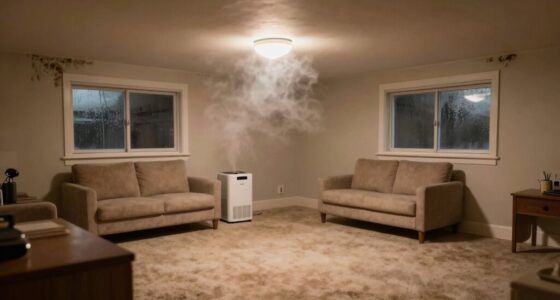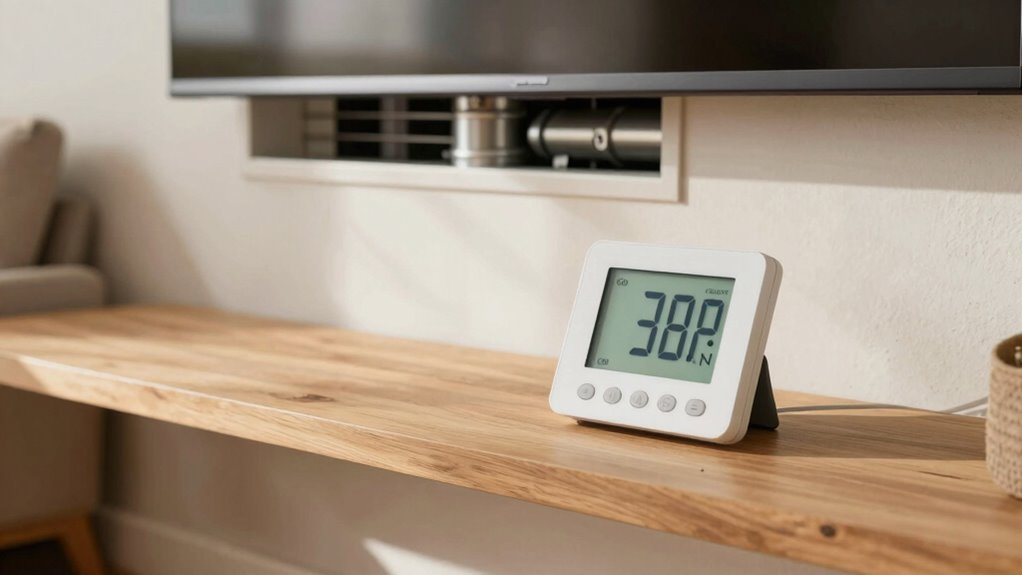

Elevated CO2 levels in your home often go unnoticed but signal a hidden ventilation problem that can impact your health and comfort. Poor air exchange from activities like cooking or pets, along with airtight homes, trap CO2 and other pollutants. Recognizing signs like lingering odors or headaches and measuring CO2 levels with simple monitors can help. If you’re curious about how to improve your indoor air quality, keep exploring to learn more.

Get home appliances delivered free with Prime
- Fast, free delivery on millions of items
- Prime Video, Amazon Music and more included
- Member-only deals all year
Key Takeaways
- Elevated indoor CO2 levels often go unnoticed but indicate poor ventilation and can cause health issues like fatigue and headaches.
- Many homes lack regular CO2 monitoring, making it a hidden problem that affects indoor air quality without obvious signs.
- Causes include airtight construction, limited natural airflow, and indoor activities, all contributing to dangerous CO2 buildup.
- Using affordable CO2 monitors and improving ventilation through natural or mechanical systems helps address this invisible issue.
- Regular assessment and proactive ventilation upgrades are essential to prevent long-term health risks from hidden CO2 accumulation.
CO2 monitor for indoor air quality
As an affiliate, we earn on qualifying purchases.
As an affiliate, we earn on qualifying purchases.
Why Indoor CO2 Levels Matter for Your Home’s Health

Indoor CO2 levels directly impact your home’s air quality and your overall health. When CO2 accumulates, it signals poor ventilation design, which reduces fresh air circulation. Elevated CO2 can cause drowsiness, headaches, and decreased concentration, affecting your daily comfort and well-being. Maintaining proper air quality involves ensuring your home’s ventilation system effectively exchanges stale indoor air with fresh outdoor air. Without adequate ventilation design, CO2 builds up quickly, creating an unhealthy environment. Monitoring indoor CO2 helps you identify when ventilation isn’t working properly, allowing you to take action before it affects your health. Good ventilation isn’t just about comfort—it’s essential for a healthier, safer living space. Understanding the importance of air quality and ventilation design helps you create a home environment that supports your health. Additionally, using DIY tools to improve or assess your ventilation can be an effective way to ensure your indoor air remains healthy, especially when ventilation systems are not properly maintained. Recognizing the importance of proper airflow is crucial for maintaining a balanced and healthy indoor environment, as air exchange rates directly influence CO2 levels and overall air quality. Proper ventilation design can also help prevent issues like mold growth and indoor pollutants, contributing further to your home’s safety.
As an affiliate, we earn on qualifying purchases.
What Causes Elevated CO2 Inside Your Home

Several factors contribute to elevated CO2 levels inside your home, often stemming from human activities and building characteristics. Poor air exchange is a primary cause, trapping CO2 from breathing and other sources. When ventilation is limited, CO2 accumulates quickly, leading to higher indoor concentrations. Additionally, odor buildup from cooking, pets, or indoor activities can signal stagnant air and insufficient air exchange. Sealed or airtight homes can unintentionally worsen this problem by preventing fresh air from entering. Without proper ventilation, CO2 levels rise, making your indoor environment less healthy. Recognizing these issues highlights the importance of regular air quality checks to ensure proper airflow and ventilation. Implementing air exchange strategies can further help maintain safe CO2 levels. Understanding these causes helps you recognize the importance of maintaining good airflow and ventilation to keep CO2 at safe levels and prevent odor buildup. Proper ventilation systems can significantly improve indoor air quality by ensuring continuous fresh air exchange. Moreover, adequate airflow management is essential for reducing indoor pollutants and maintaining a healthy living environment. To address this, incorporating ventilation assessment can help identify specific airflow issues in your home.
As an affiliate, we earn on qualifying purchases.
How Can You Recognize Signs of High Indoor CO2?
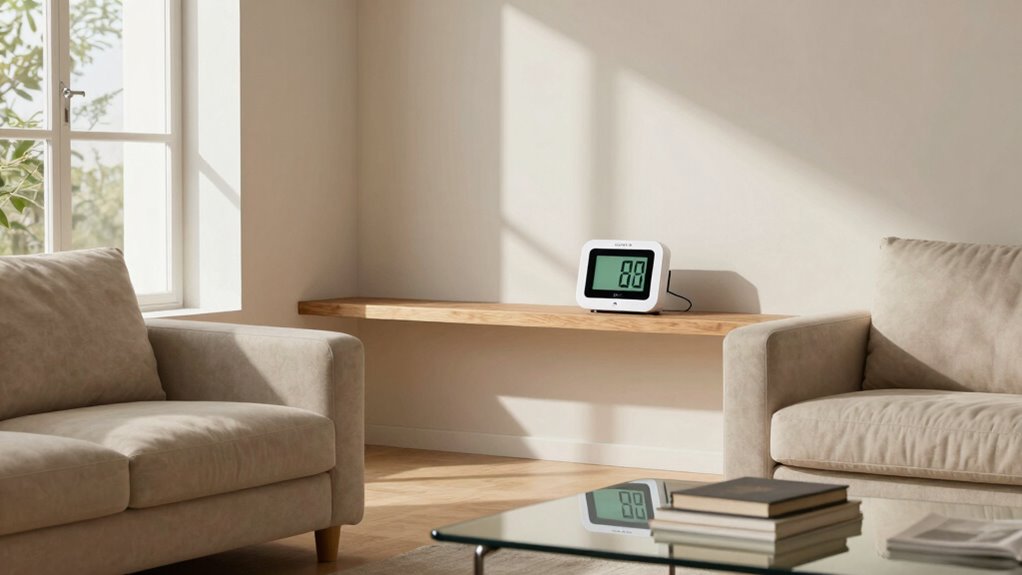
If your home’s ventilation isn’t enough to keep fresh air flowing, you might start noticing certain signs that indicate CO2 levels are rising. Poor air quality can cause subtle but noticeable symptoms that alert you to a problem. You may feel drowsy, have difficulty concentrating, or experience headaches—common indicators of high indoor CO2. In some cases, you might notice lingering odors or a stuffy feeling that doesn’t improve with opening windows. These signs are part of symptom detection, helping you recognize when ventilation needs attention. Pay attention to how you feel indoors—persistent fatigue or feeling mentally cloudy can be linked to elevated CO2 levels. Recognizing these signs early allows you to take action before air quality worsens. Proper ventilation is essential to maintaining healthy indoor air quality and preventing CO2 buildup. Ensuring your home has adequate ventilation systems can help mitigate these issues and improve overall air quality. Additionally, understanding the impact of poor ventilation on health can motivate timely improvements to your home’s airflow. Being aware of indoor air quality indicators, such as humidity levels and odor presence, can further assist in detecting ventilation problems early. Regularly monitoring indoor air quality metrics can help catch issues before they become more serious.
As an affiliate, we earn on qualifying purchases.
How to Measure CO2 Levels Easily at Home
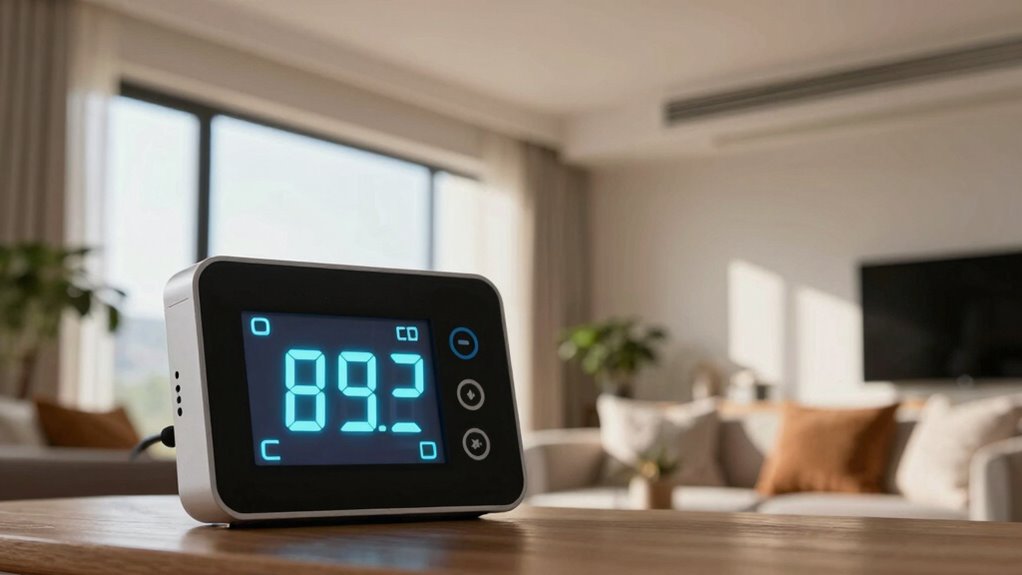
Measuring CO2 levels at home has become easier than ever thanks to affordable and user-friendly monitors. These measurement tools provide quick, accurate insights into your indoor air quality without the need for professional help. Simply place the device in a central room, turn it on, and wait a few minutes for the reading. Many monitors display real-time CO2 levels on an easy-to-read screen, making it simple to track changes over time. Some models even connect to your smartphone, allowing you to monitor air quality remotely. By using these tools regularly, you can identify when ventilation is insufficient and take steps to improve indoor air quality. Proper air circulation is essential for maintaining healthy indoor environments, and these devices help you monitor it effectively. Additionally, ensuring proper air purifier maintenance can significantly improve air quality and reduce CO2 buildup. Regularly checking and adjusting ventilation strategies helps maintain optimal indoor air quality, promoting healthier living spaces with minimal effort. Being aware of air exchange rates can further optimize your home’s ventilation system for better health. Incorporating knowledge about ventilation effectiveness can help you interpret your CO2 readings more accurately and act accordingly.
Simple Ways to Improve Your Home’s Ventilation

Improving your home’s ventilation is key to reducing CO2 levels and freshening the air. You can increase natural airflow by opening windows and doors regularly, especially during the day. Additionally, using air purifiers helps filter out pollutants and keeps the air cleaner.
Increase Natural Airflow
Increasing natural airflow is one of the simplest and most effective ways to improve your home’s ventilation. Natural ventilation relies on fresh air entering and stale air leaving without mechanical help, boosting airflow enhancement naturally. You can enhance airflow by:
- Opening windows and doors regularly
- Creating cross-ventilation by positioning openings opposite each other
- Using vents or trickle exhausts for consistent airflow
- Installing adjustable window latches to control airflow
These small adjustments help you harness outdoor breezes, reducing CO2 buildup and improving indoor air quality. Incorporating free floating elements into your home’s ventilation design can further promote airflow without complex systems. By encouraging airflow through natural ventilation, you minimize reliance on mechanical systems and promote a healthier, more comfortable living environment. Additionally, understanding air exchange rates can help you optimize ventilation efficiency. Monitoring indoor air quality can also alert you to when ventilation improvements are needed, ensuring a consistently healthy environment. Remember, even simple actions can considerably impact your home’s ventilation efficiency.
Use Air Purifiers
Using air purifiers is a straightforward way to enhance your home’s ventilation and reduce indoor CO2 levels. The air purifier benefits include filtering out pollutants, allergens, and some volatile organic compounds, which improves indoor air quality. While they don’t replace proper ventilation, air purifiers can help lower CO2 concentrations in rooms with limited airflow. Choose models with HEPA filters for maximum effectiveness. Keep the purifier running in common areas or bedrooms to continuously clean the air. Regular maintenance, like filter replacement, ensures peak performance. Using air purifiers is especially helpful during colder months when opening windows isn’t practical. Overall, they’re a simple, effective tool to supplement your ventilation efforts and create a healthier indoor environment.
When Should You Install a Ventilation System?

You should consider installing a ventilation system when indoor air quality drops, like noticing persistent odors or stuffiness. Signs of poor air quality, such as headaches or allergies, also indicate it’s time to act. The best moment to install is before these issues worsen, ensuring your home stays fresh and healthy.
When Is Ventilation Necessary
Ventilation becomes necessary when indoor air quality drops below healthy levels or when moisture and pollutants accumulate. If you notice stuffy air, persistent odors, or increased humidity, it’s time to think about installing a ventilation system. Adequate air exchange ensures fresh air enters your space, reducing CO2 levels and pollutants. You should also install ventilation when:
- You’re living in a tightly sealed home with minimal natural airflow
- Indoor humidity exceeds 60%, risking mold growth
- Allergens or airborne pollutants build up indoors
- Occupants experience headaches, fatigue, or respiratory issues
These signs indicate your home isn’t getting enough fresh air naturally. Proper ventilation helps maintain healthy indoor air quality and prevents dangerous buildup of indoor pollutants.
Signs of Poor Air Quality
Recognizing the signs of poor indoor air quality is key to maintaining a healthy home. If you notice persistent odors, stuffy air, or lingering dust, ventilation issues are likely affecting your environment. You might also experience symptoms like headaches, fatigue, or allergy flare-ups, which can signal insufficient airflow. High humidity or mold growth are additional cues that your home isn’t ventilating properly. When air feels stagnant or smells stale despite regular cleaning, it’s a clear sign that your indoor air quality needs improvement. These indicators suggest that installing a ventilation system could help reduce pollutants, control humidity, and refresh the air you breathe. Addressing these signs early prevents long-term health issues and ensures a more comfortable living space.
Optimal Installation Timing
The best time to install a ventilation system is when signs of poor indoor air quality become evident, such as persistent odors, stuffy air, or high humidity. Proper installation timing guarantees you address issues before they worsen. Acting early can improve your home’s air quality and prevent health problems. Consider installing when:
- You notice increased indoor CO2 levels
- Ventilation feels insufficient during peak use
- Humidity causes mold or condensation
- You’re renovating or building anew
Timely installation helps maintain healthy air and prevents costly retrofits later. Don’t wait until discomfort or damage occurs—install when the need is clear. Recognizing these signs allows you to optimize air quality and ensure your ventilation system works effectively from the start. Proper timing is key to long-term indoor air health.
Why Good Indoor Air Quality Benefits Your Health Long-Term

Maintaining good indoor air quality can considerably boost your long-term health by reducing exposure to pollutants that can cause respiratory problems and other chronic conditions. Incorporating indoor plants can naturally improve air quality, as they absorb toxins and increase oxygen levels. Additionally, effective air filtration systems remove dust, allergens, and airborne chemicals, creating a healthier environment. When your indoor air is cleaner, your lungs work less hard, and your risk of developing allergies, asthma, and other respiratory issues decreases over time. Good ventilation and proper air filtration support your immune system and overall well-being, helping you stay healthier for years to come. Prioritizing these strategies guarantees your home remains a safe, fresh space that promotes long-term health benefits.
What to Do If Your Indoor CO2 Is Too High
If your indoor CO2 levels become too high, taking immediate steps can help restore air quality and protect your health. Start by conducting DIY testing with affordable CO2 monitors to confirm the problem. Once confirmed, improve ventilation by:
- Opening windows and doors to increase airflow
- Using exhaust fans in kitchens and bathrooms
- Running an air purifier with a carbon filter
- Installing or upgrading mechanical ventilation systems
These actions help reduce CO2 buildup and improve indoor air quality. Regular testing ensures you stay informed about changes, especially during colder months or when indoor gatherings increase. Remember, maintaining good ventilation isn’t just about comfort; it’s essential for your health and well-being. Quick intervention can prevent long-term issues caused by poor air quality.
Frequently Asked Questions
Can Plants Help Reduce Indoor CO2 Levels Effectively?
Yes, plants can help reduce indoor CO2 levels effectively through plant absorption. As they grow, they take in CO2 during photosynthesis, lowering the concentration in your home. Plus, healthy plants can enhance growth, making your indoor environment more vibrant and fresh. Keep a variety of plants, guarantee they’re well-maintained, and you’ll notice improved air quality and a more inviting space.
How Does Outdoor Pollution Influence Indoor CO2 Concentrations?
Outdoor pollution influences indoor CO2 levels through air exchange, bringing in pollutants from outside. When windows or vents are open, pollution ingress occurs, increasing indoor contaminants and potentially worsening air quality. Poor ventilation can trap CO2 and pollutants inside, making indoor air unhealthy. To minimize this, verify proper ventilation while filtering incoming air, and limit open windows during high pollution periods, balancing fresh air intake with pollution control.
Are There Specific Household Activities That Increase CO2 More Than Others?
You might be surprised to learn that cooking emissions and smoking impacts can spike indoor CO2 levels more than other activities. When you cook, especially with gas stoves, it releases not only CO2 but also other pollutants, while smoking introduces significant CO2 and particulates. These activities, often overlooked, cause temporary but sharp increases in CO2 concentrations, highlighting the importance of good ventilation during and after such activities to maintain healthy indoor air quality.
What Are the Long-Term Health Effects of Chronic High Indoor CO2?
Chronic high indoor CO2 can negatively impact your health, leading to issues like headaches, fatigue, and impaired concentration. Over time, elevated indoor air CO2 levels may contribute to cognitive decline by reducing the oxygen available to your brain. To protect your long-term health, make certain proper ventilation, monitor indoor air quality, and improve airflow in your home, helping you maintain a healthier, more alert environment.
How Often Should Ventilation Systems Be Inspected for Optimal Performance?
You should inspect your ventilation system at least once a year to guarantee maximum performance. During inspections, check air filter maintenance and replace filters if they’re dirty, as clean filters improve airflow and air quality. Consider ventilation system upgrades if you notice persistent issues like strange odors or uneven airflow. Regular inspections help maintain good indoor air quality, reduce CO2 buildup, and ensure your system works efficiently for healthier living conditions.
Conclusion
Don’t ignore the hidden harm of high CO2 in your home. By monitoring, managing, and maximizing ventilation, you’ll create a healthier, happier haven. Clear the clutter, control the circulation, and conquer CO2 concerns before they worsen. A well-ventilated space promotes peace, purity, and prolonged well-being. Take charge today—transform your living environment into a fresh, fabulous fortress free from the hidden hazards of harmful indoor air.
Fall yard work Picks
leaf blowers
As an affiliate, we earn on qualifying purchases.