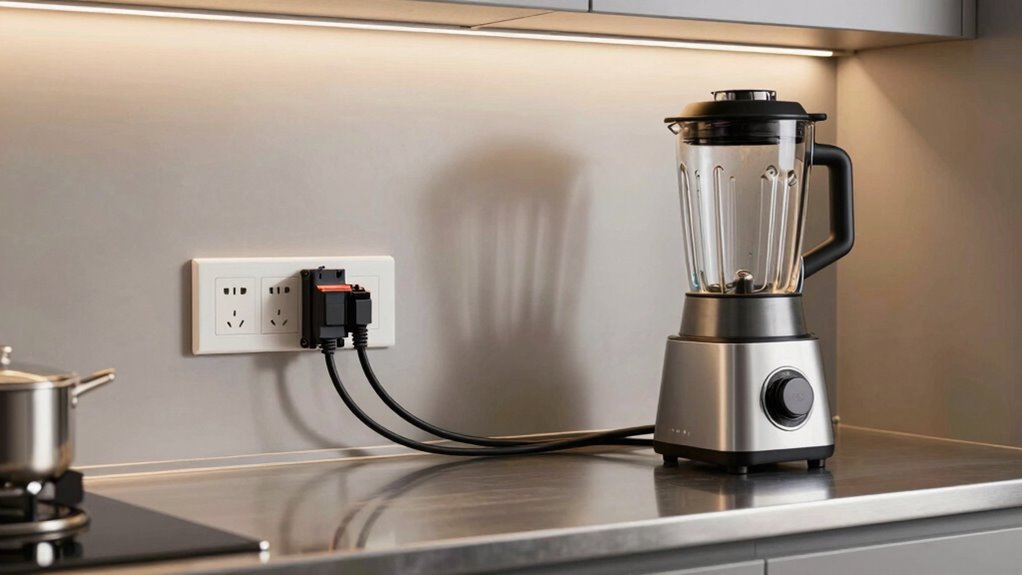
When high-power kitchen appliances like ovens, fridges, or dishwashers require more current than a standard outlet provides, you might notice circuit trips, slow operation, or overheating. Normal outlets can be inadequate for these heavy-demand devices, so upgrading to dedicated circuits and specialized outlets rated for higher wattage is essential. Ensuring proper wiring and safety measures prevents hazards and keeps your appliances running smoothly—if you want to know how to do this safely, keep exploring further.
Key Takeaways
- High-wattage appliances like ovens or refrigerators may require dedicated circuits and outlets rated for higher amperage and voltage.
- Normal outlets often lack the capacity to safely support heavy-duty kitchen appliances, risking overloads and circuit trips.
- Signs such as frequent breaker trips, overheating, or slow appliance operation indicate the need for upgraded wiring and specialized outlets.
- Upgrading to 240V outlets with appropriate amperage ensures safe, efficient operation of large kitchen appliances.
- Consulting a licensed electrician helps determine power needs and properly install the correct outlets and wiring for demanding appliances.
What Are Kitchen Appliance Power Ratings and Why Do They Matter?
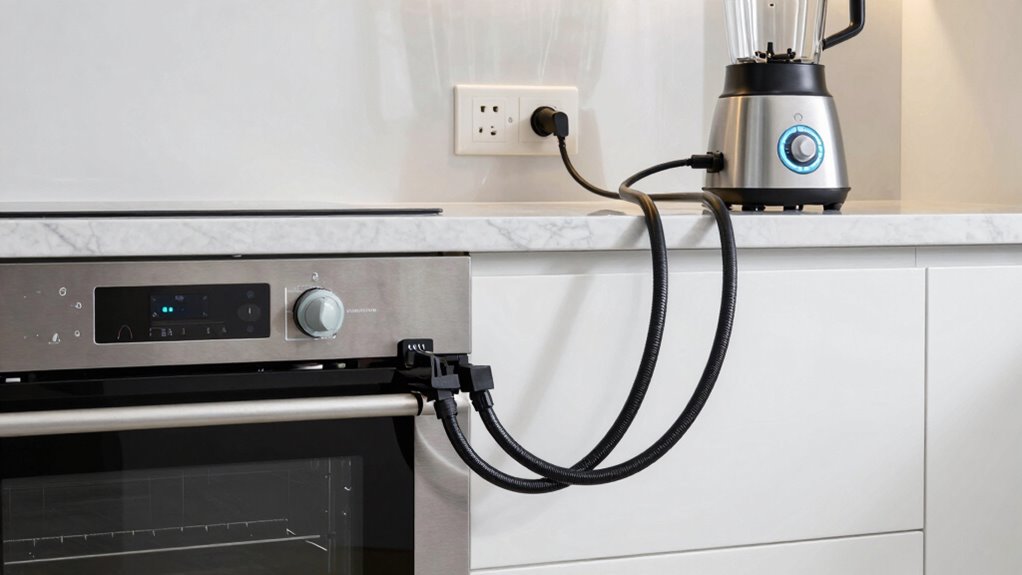
Understanding kitchen appliance power ratings is essential because they indicate how much energy an appliance uses during operation. These ratings are part of the appliance specifications, providing details about the electrical load the device requires to function properly. Knowing the power rating helps you determine if your outlets can handle the load without tripping or causing electrical issues. For example, a high-wattage oven or a heavy-duty mixer has a significant electrical load, meaning it needs a compatible outlet. Without paying attention to these ratings, you risk overloading your circuits, which can lead to electrical failures or even fires. Always check the appliance specifications to confirm your electrical setup can safely support your appliances’ power needs. Additionally, understanding electrical load capacity is crucial for maintaining a safe and efficient kitchen electrical system, especially when considering circuit breaker ratings to prevent overloads. Being aware of electrical standards helps ensure your kitchen wiring and outlets are suitable for your appliances’ power requirements. Consulting professional electricians can provide guidance for complex or high-power configurations to ensure safety and compliance. Moreover, staying informed about electrical safety guidelines can help you avoid common electrical hazards associated with high-power kitchen appliances.
How Can You Tell If Your Outlets Are Too Weak for Heavy-Duty Appliances?
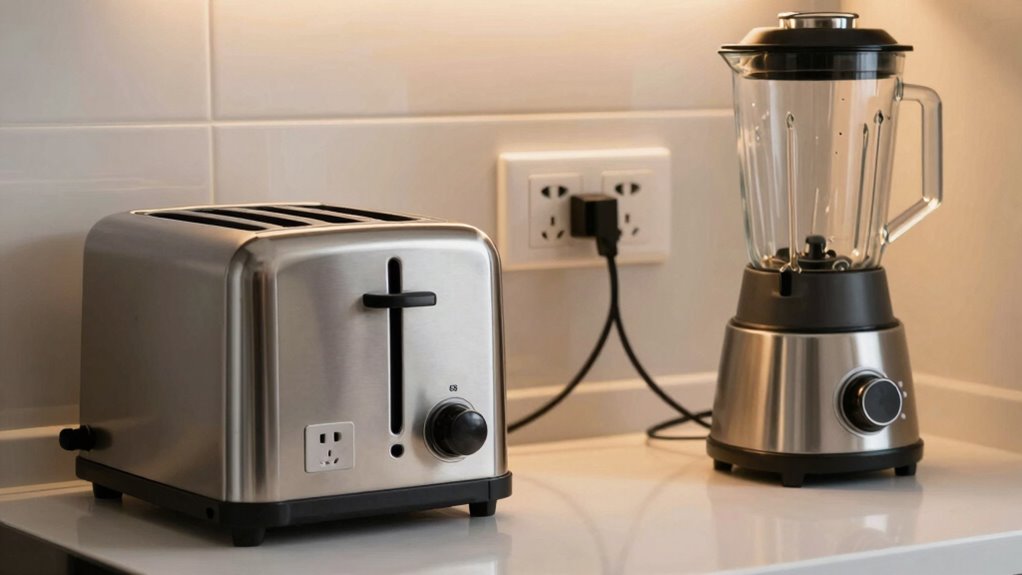
If your heavy-duty appliances keep tripping your circuit breaker or experiencing frequent power drops, it’s a clear sign that your outlets might be too weak to handle the load. Check appliance compatibility and confirm they match your outlet capacity. If your appliance’s power requirements exceed what your outlets provide, you’ll notice issues like slow operation, frequent resets, or overheating. Additionally, outlets that feel loose or show signs of burn marks can indicate insufficient capacity or wiring problems. Sometimes, the circuit breaker trips even with smaller appliances, revealing that the circuit or outlet isn’t rated for the load. Monitoring these signs helps you identify if your outlets are too weak for heavy-duty appliances, preventing potential damage or safety hazards. Proper understanding of power needs and outlet ratings can help you avoid these issues before they become serious. Recognizing electrical system limitations is essential for maintaining safety and appliance longevity, especially when considering power supply upgrades or circuit improvements. Being aware of the market standards for outlet capacity ensures you select appropriate solutions to meet your heavy-duty appliance demands. Being familiar with outlet ratings can also assist in making informed decisions about upgrading or replacing your electrical components.
Do You Need Upgraded Wiring or Special Outlets for Your Kitchen?
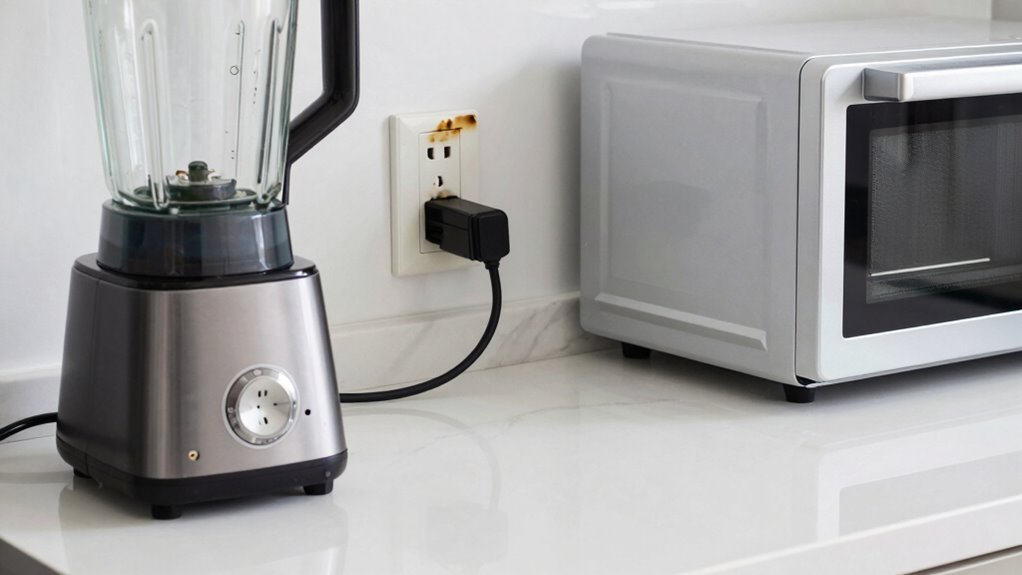
Upgrading your wiring or installing special outlets might be necessary if your current setup can’t support the power demands of modern kitchen appliances. If you’re experiencing outlet troubleshooting issues or your appliances aren’t functioning properly, it could mean your wiring isn’t compatible with high-power devices. Standard outlets may not provide the necessary voltage or current for appliances like double ovens or large refrigerators. Upgraded wiring ensures safe, reliable appliance compatibility, preventing overheating or electrical failures. You might need dedicated circuits or specialized outlets designed for high-wattage appliances. Consulting an electrician can help determine if your current wiring supports your needs or if upgrades are required. Ensuring proper wiring and outlets not only safeguards your appliances but also enhances kitchen safety and performance. Proper electrical system enterprise governance for electrical systems can help prevent potential safety hazards and ensure reliable operation. Additionally, ensuring your electrical connections meet building codes can help avoid future issues and ensure compliance. Properly assessing your electrical load can help prevent overloading circuits and potential fire hazards, and having a comprehensive electrical assessment can identify specific needs for your kitchen’s power setup.
Which Outlets Are Best for High-Power Kitchen Appliances?
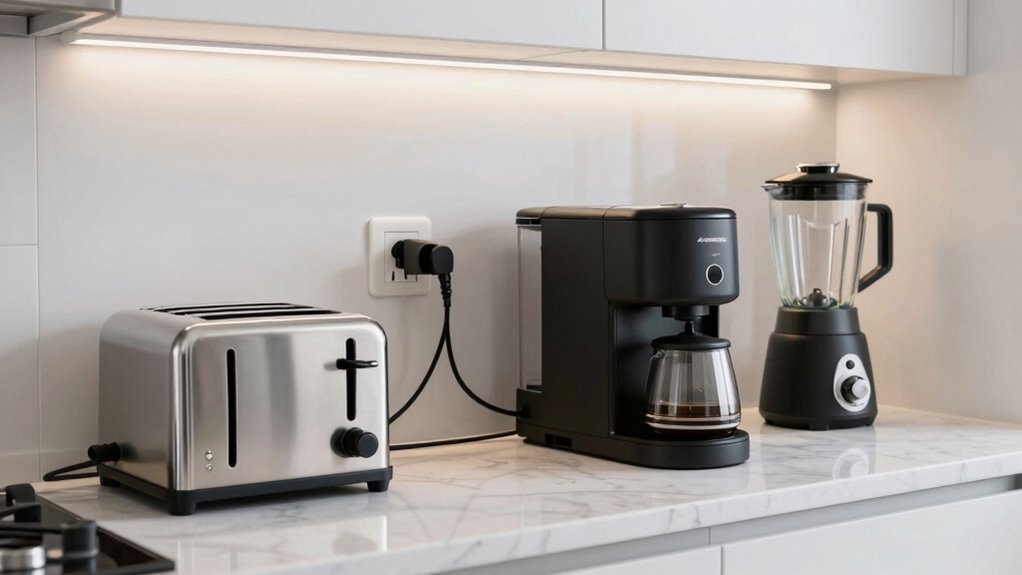
Choosing the right outlets for high-power kitchen appliances is crucial to guarantee safety and reliable performance. You need to focus on appliance compatibility to ensure the outlet can handle the appliance’s power requirements. Standard outlets often aren’t suitable for heavy-duty appliances like ranges, ovens, or commercial-grade mixers. Instead, look for outlets with specific specifications such as 240 volts and higher amperage ratings—usually 30, 40, or 50 amps. These outlets are designed to supply the necessary power without risking overheating or electrical failure. Make sure the outlet type matches your appliance’s plug, and verify that it’s rated for your appliance’s wattage and current draw. Proper electrical wiring is essential to prevent damage and ensure your appliances operate safely and efficiently. Additionally, understanding proper outlet installation can help prevent common hazards associated with high-power appliances.
Safety Tips for Installing Heavy-Duty Kitchen Outlets and Circuits
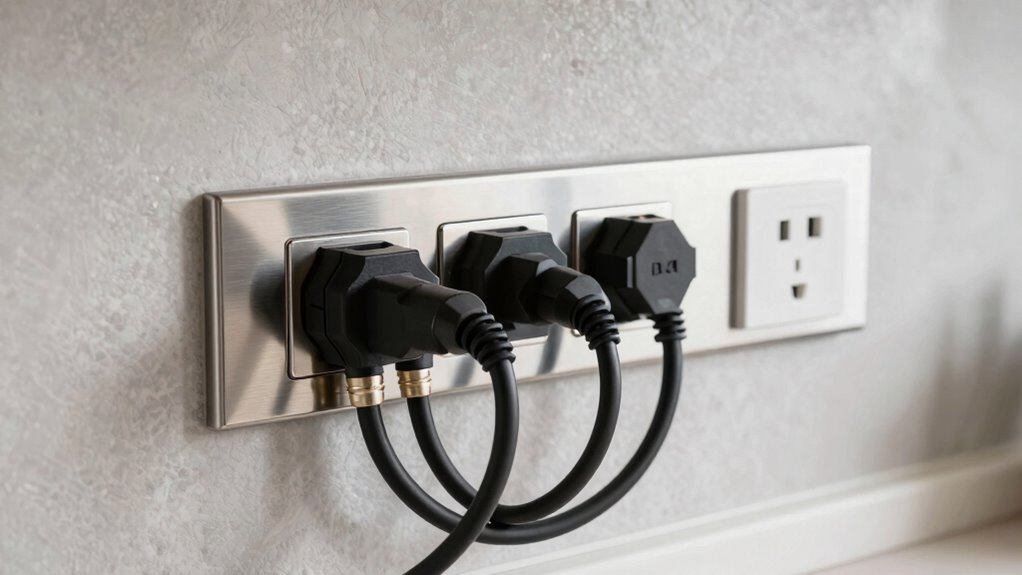
When installing heavy-duty kitchen outlets, proper grounding is essential to guarantee safety. You should always follow recommended practices and codes to prevent electrical hazards. For added assurance, consider consulting resources on regional flavors and chicory/coffee insights to understand how regional variations can influence appliance choices and safety considerations. For best results, consider hiring a professional to handle the installation and guarantee everything is up to standard.
Proper Grounding Practices
Proper grounding is essential for the safe installation of heavy-duty kitchen outlets and circuits. Ensuring proper outlet grounding protects you from electrical shocks and prevents equipment damage. Start by verifying that your outlet grounding safety measures are up to code, using a grounded circuit tester before making connections. When wiring, connect the ground wire securely to the outlet’s grounding terminal, avoiding loose or exposed connections. Use grounding conductors made of copper or aluminum, and follow manufacturer instructions carefully. Proper grounding practices also involve ensuring the electrical box is properly grounded, providing a safe path for stray currents. Remember, a well-grounded outlet reduces the risk of electrical hazards, making your heavy-duty appliances safer to use and ensuring compliance with electrical standards. Regularly inspecting grounding connections helps maintain safety over time, enhancing electrical safety practices.
Professional Installation Recommendations
Installing heavy-duty kitchen outlets and circuits safely requires following professional guidelines to prevent electrical hazards. Proper installation guarantees your appliances operate at peak efficiency, maximizing appliance effectiveness while minimizing energy consumption. Always hire a licensed electrician to assess your kitchen’s wiring and determine the correct circuit capacity. Using dedicated circuits for high-power appliances reduces the risk of overloads and improves safety. Ensure outlets are properly grounded and compliant with local electrical codes. Proper installation also helps maintain consistent power delivery, which can extend the lifespan of your appliances. Regular inspections and adherence to electrical safety standards are essential for ongoing home safety. Ensuring that your electrical system meets current regulations can prevent unforeseen hazards and costly repairs. Incorporating proper grounding techniques during installation further enhances safety and prevents electrical shocks. Proper installation not only protects your home but also optimizes energy use, helping you save on utility bills and keep your kitchen running smoothly. Additionally, understanding load calculations is crucial for designing a safe and efficient electrical system. Prioritize safety and efficiency with expert installation practices.
How to Safely Upgrade Your Kitchen’s Electrical System
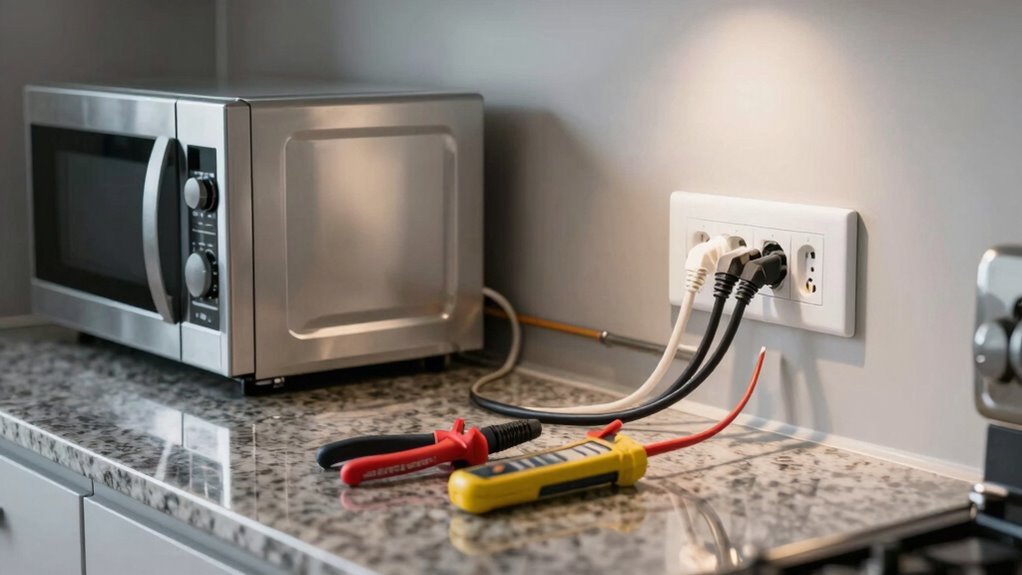
Before upgrading your kitchen’s electrical system, you need to assess the power requirements of your appliances. It’s essential to consult a licensed electrician to guarantee the work is done safely and meets code. Upgrading wiring correctly will help prevent hazards and support your kitchen’s new power demands.
Assess Power Requirements
Evaluating your kitchen’s power requirements is a crucial first step before upgrading your electrical system. You need to contemplate appliance compatibility and accurately estimate power consumption to avoid overloads. Start by listing all appliances you plan to use, including high-demand items like ovens or refrigerators. Then, check their wattage labels or manuals for power consumption estimates. Add up these figures to get a total load estimate. Consider the following:
- Identify appliances that require dedicated circuits
- Determine if existing outlets support the needed amperage
- Check if your current wiring can handle the combined load
- Factor in future appliance additions for scalability
This assessment helps you understand your power needs, ensuring a safe and efficient upgrade tailored to your kitchen.
Consult Licensed Electrician
To guarantee your kitchen’s electrical upgrade is safe and compliant with local codes, it’s essential to work with a licensed electrician. They understand the complexities of electrical systems and can help improve appliance efficiency by designing circuits tailored to your kitchen’s layout. A professional electrician assesses your existing wiring and advises on the best way to upgrade, ensuring safety and compliance. They also consider your kitchen design, making sure new circuits can accommodate current and future appliances without overloading. By hiring a licensed expert, you reduce the risk of electrical hazards and ensure your kitchen’s power needs are met efficiently. Trusting a professional guarantees a smooth upgrade, giving you peace of mind and a functional, safe cooking space.
Upgrade Wiring Safely
Upgrading your kitchen’s wiring safely starts with turning off the main power supply to prevent electrical shocks or shorts. Before making any changes, assess appliance compatibility to verify your new wiring supports high-demand appliances. Proper outlet placement is vital—position outlets near appliance locations to avoid extension cords and overloads. When upgrading, use the correct gauge wire for your circuits and follow local electrical codes. Consider installing dedicated circuits for heavy appliances to prevent circuit overloads. Always double-check connections and use quality materials. If you’re unsure, consult a licensed electrician. Remember, safe wiring practices protect your home and verify your appliances operate efficiently and safely.
Common Wiring Mistakes When Powering Heavy-Duty Appliances
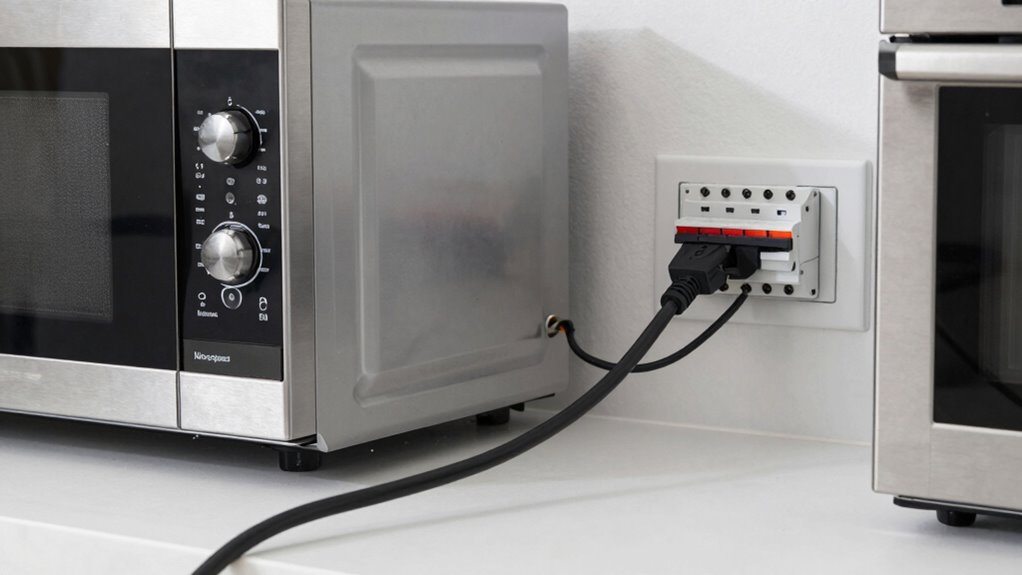
Are you aware of the common wiring mistakes that can lead to serious safety hazards and appliance malfunctions? One mistake is overloading circuits, which can cause overheating and fires. When heavy-duty appliances are wired to standard outlets or circuits not designed for their power needs, you risk circuit overloads. Another frequent error is using inadequate wiring gauge, which can’t handle the appliance’s current, creating wiring hazards. Additionally, bypassing or improperly connecting grounding wires can increase the risk of electrical shock. Many people also forget to install dedicated circuits for high-power appliances, leading to frequent breaker trips and potential damage. Avoid these pitfalls by ensuring wiring is correctly rated, circuits are properly dedicated, and all connections follow electrical codes. Proper wiring safeguards your home and your appliances.
When Should You Call an Electrician for Kitchen Wiring Upgrades?
If you notice frequent tripped breakers, flickering lights, or appliances that struggle to operate properly, it’s a clear sign that your kitchen wiring may need attention. You should consider calling an electrician if your current setup can’t handle your appliance placement or if your countertop heights require new outlets. Upgrading wiring guarantees safety and efficiency.
You might need an upgrade if:
- Your appliances constantly overload existing circuits
- You plan to add heavy-duty appliances or new outlets
- You notice outdated wiring that doesn’t meet current codes
- Your kitchen layout has changed, affecting power needs
An electrician can assess whether your wiring supports your appliance placement and countertop heights, preventing future issues and ensuring your kitchen’s power needs are safely met.
Frequently Asked Questions
Can I Use Extension Cords for High-Power Kitchen Appliances Safely?
You shouldn’t use extension cords for high-power kitchen appliances safely. Instead, consider portable generators or heavy-duty surge protectors designed for high wattage. Extension cords can overheat or cause a fire if they can’t handle the appliance’s power draw. Portable generators supply reliable power, and surge protectors safeguard your appliances. Always follow manufacturer instructions and avoid daisy-chaining multiple cords for safety.
How Do I Know if My Circuit Breaker Is Sufficient for New Appliances?
You can tell if your circuit breaker is up to snuff by checking its capacity and compatibility. Look at the breaker’s labeled capacity, usually in amps, and compare it to your new appliance’s power needs. If the breaker’s capacity is too low or if it trips often, it’s time to upgrade. Don’t put a square peg in a round hole; verify your breaker can handle the load to keep everything running smoothly.
Are There Specific Safety Standards for Installing Kitchen Appliance Outlets?
Yes, there are specific safety standards for installing kitchen appliance outlets. You should follow electrical codes, such as the National Electrical Code (NEC), which specify proper outlet placement, grounding, and circuit requirements. During safety inspections, professionals check that installations meet these standards to prevent hazards. Always hire a licensed electrician to guarantee your outlets adhere to local regulations and safety standards, protecting both your home and family.
What Signs Indicate My Kitchen Wiring Needs Urgent Repair or Upgrade?
Did you know that outdated wiring causes over 20% of electrical fires? If your circuit breaker trips frequently or you notice flickering lights, it’s a sign your wiring needs urgent repair or upgrade. Outdated wiring can’t handle modern appliances safely, increasing fire risks. You should get a professional inspection if you experience these signs, ensuring your kitchen’s wiring is up to code and safe for ongoing use.
How Long Does a Typical Kitchen Wiring Upgrade Process Take?
A typical kitchen wiring upgrade takes about one to three days, depending on the project’s complexity. You’ll need high-quality wiring materials like gauge wires and outlets, and your electrician will handle permit requirements before starting. Factors like existing wiring condition and any necessary code upgrades can extend the timeline. Expect a professional to assess your needs, obtain permits, and complete the upgrade efficiently, ensuring safety and compliance.
Conclusion
Ensuring your kitchen has the right power setup is vital, much like a well-orchestrated symphony in a grand hall. Don’t wait for a lightning bolt to remind you of outdated wiring—upgrade when needed. Always prioritize safety and consult a professional if you’re unsure. With the right outlets and proper wiring, your culinary adventures will flow smoothly, keeping your kitchen both functional and safe, just like a trusty knight guarding his castle.